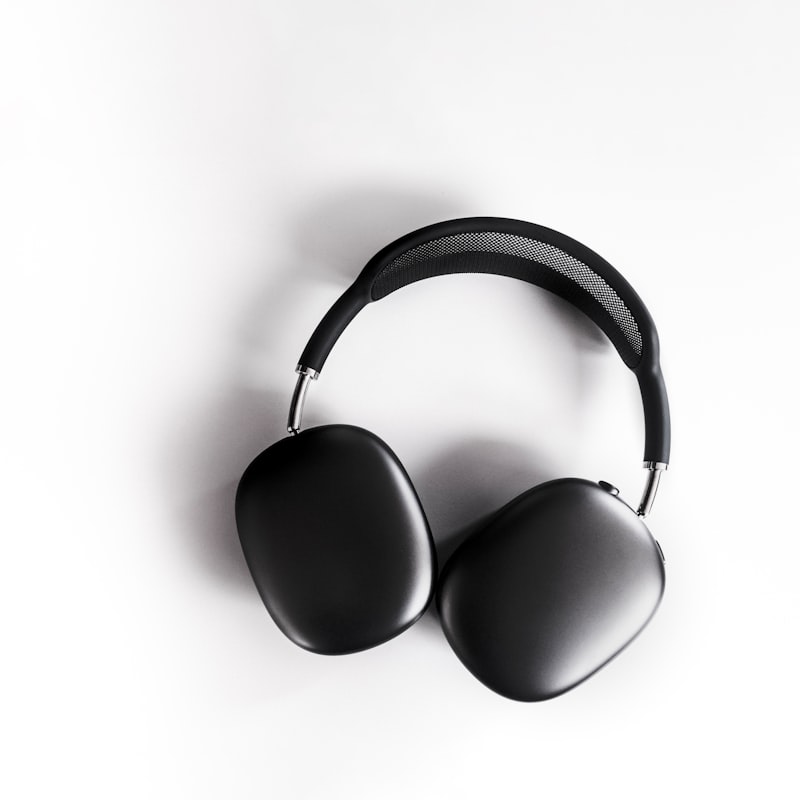
Mixing headphones are built for critical listening rather than casual enjoyment. Where consumer headphones often add a bass or treble lift to sound more exciting on first listen, mixing headphones aim to stay as neutral as possible so the decisions you make on them hold up on other systems. The Beyerdynamic DT 770 Pro is one of the most widely used closed-back pairs for exactly this job, valued for a detailed, fairly even response and a closed design that keeps sound from leaking into a nearby microphone.
That neutrality, more than any single spec, is the entire value proposition here. The DT 770 Pro won’t necessarily be the most fun set of headphones you own, but it will tell you the truth about a low end that’s building up or a vocal that’s sitting too bright, and that honesty is what actually improves how a mix translates once it leaves your room. It comes in a few impedance versions, so it’s worth matching the one you buy to whatever is powering it, whether that’s an interface headphone jack or a dedicated amp.
- A flat, well-documented frequency response rather than a flattering consumer tuning that hides problems in the low end or top end.
- Closed-back construction, which keeps bleed out of a nearby microphone during tracking — the tradeoff versus an open-back reference pair.
- Comfort for hour-plus sessions, thanks to velour earpads that hold up well over long stretches.
- Impedance version — match it to your interface or amp, since higher-impedance versions need more power to sound their best.
These are aimed at engineers mixing in a room that isn’t fully treated, or anyone who wants a second, portable reference alongside studio monitors to sanity-check a mix. Browse the full shortlist of mixing headphones we recommend.