Latest Articles
-
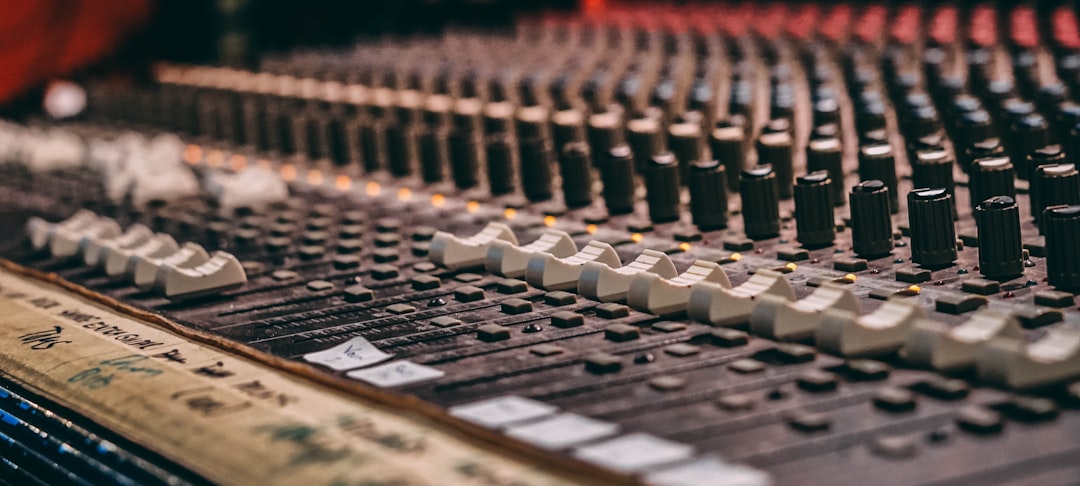
How to Check Your Master Before Release
A pre-release checklist to check your master using LUFS, true-peak and mono tests so your track survives streaming codecs and small speakers.
-
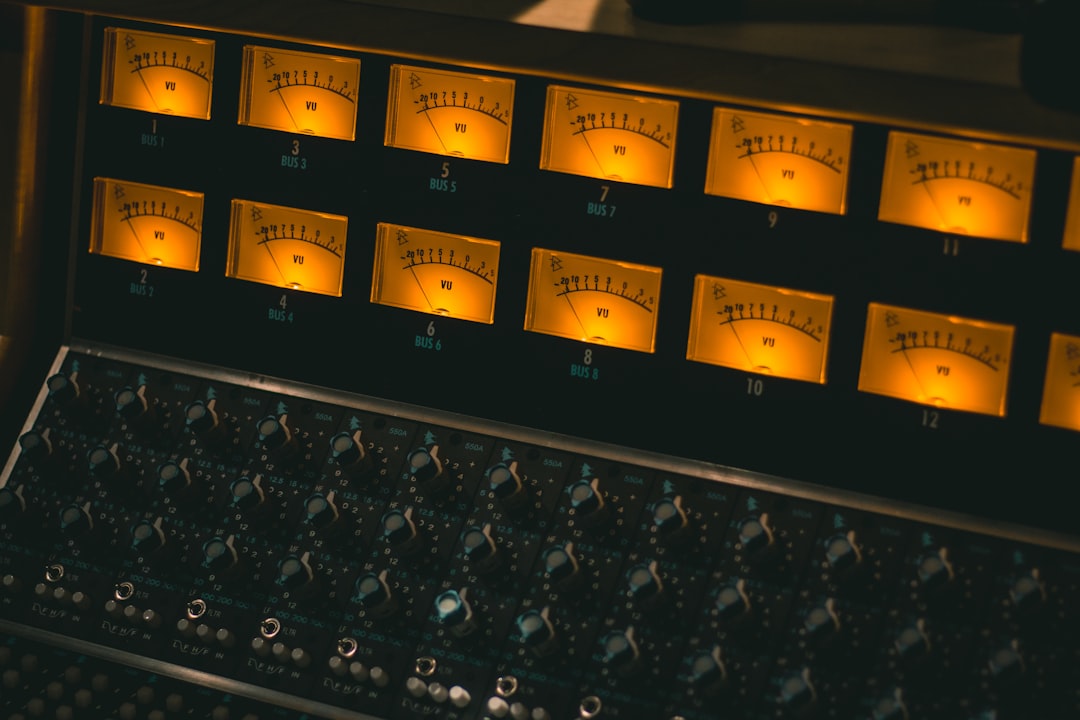
How to Master a Single for Release
Learn how to master a single for release with real LUFS targets, true-peak ceilings and gentle EQ moves so your track competes on streaming.
-
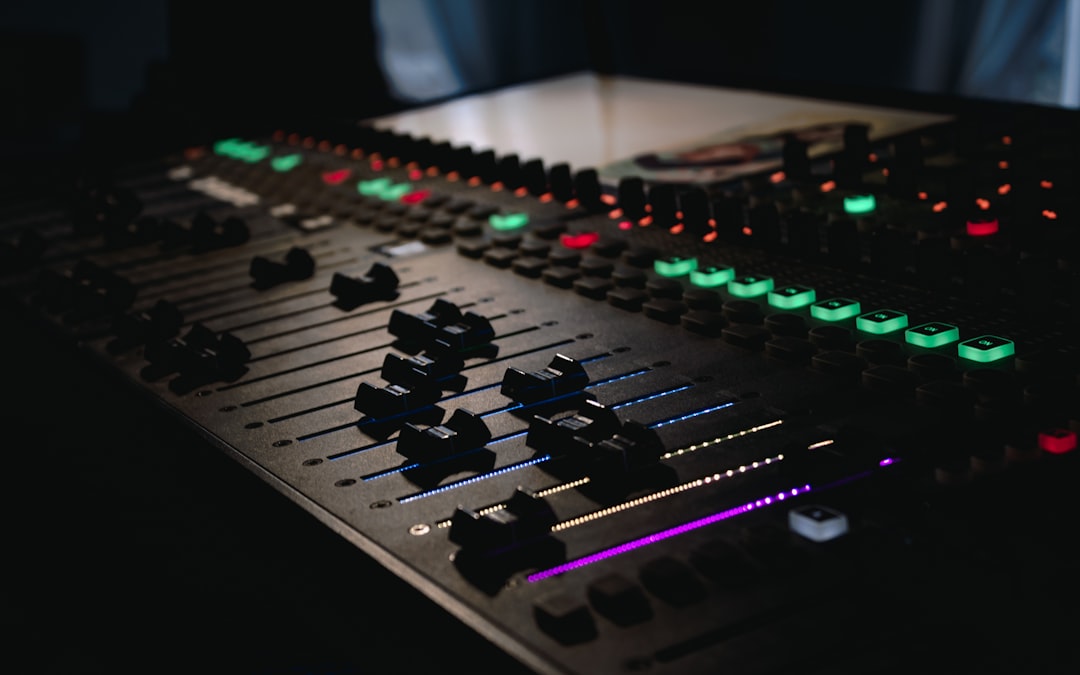
How to Fix a Master That Clips
Fix a master that clips with exact true-peak ceilings, limiter settings, and the gain-staging moves that kill distortion without losing loudness.
-
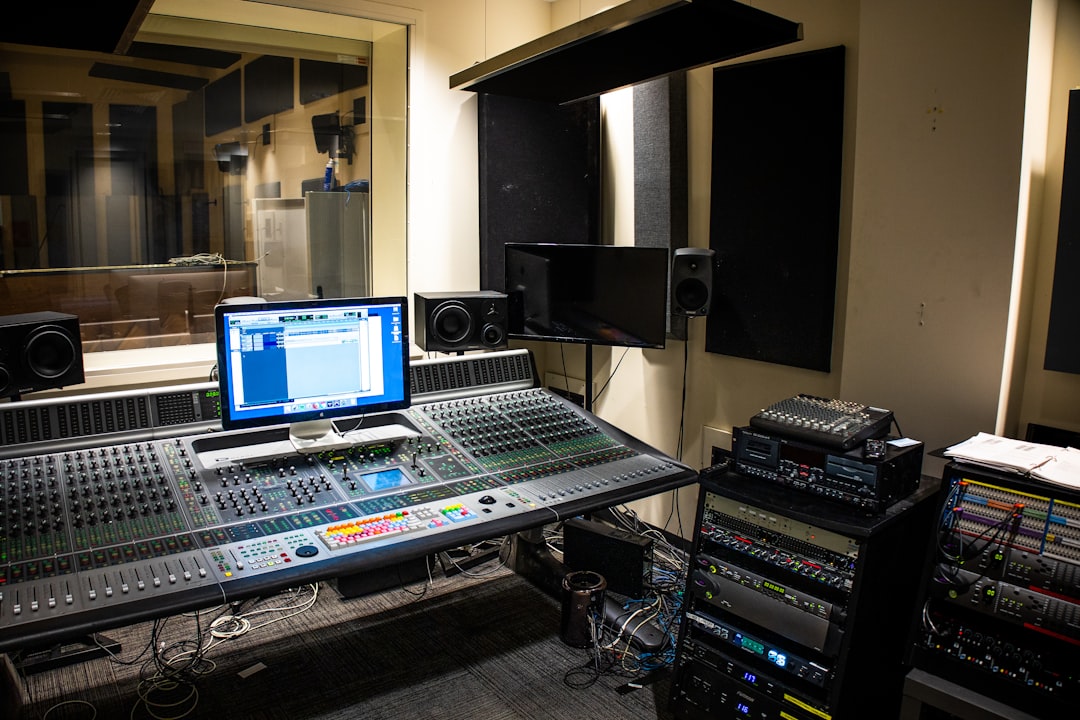
Streaming Loudness Normalization Explained
Loudness normalization explained with each platform’s LUFS target, why louder masters get turned down, and how to master smart in 2026.
-

True Peak vs Peak: What Is the Difference?
True peak vs peak explained simply, with the exact -1 dBTP ceiling and why sample peak meters miss the clipping that streaming codecs expose.
-
How to Self-Master Your Own Music (Step by Step)
A step-by-step self mastering guide with exact LUFS, true-peak, and EQ numbers to get a loud, clean, release-ready master at home.
-
The Mastering Chain Explained
The mastering chain explained in order: EQ, compression, multiband, saturation, limiting, with real dB moves and -14 LUFS, -1 dBTP targets.
-
How to Get a Loud Master
Get a loud master that stays clean: gain staging, clipping, multiband control, and true-peak limiting to -1 dBTP without crushing your punch.
-
How to Master with Reference Tracks
Master with reference tracks the right way: match loudness first, compare tone and low end, and use A/B tools so your master competes commercially.
-
How to Add Loudness Without Clipping
Add loudness without clipping using true-peak limiting, gain staging, and -14 LUFS streaming targets so your master stays clean, punchy, and distortion-free.