
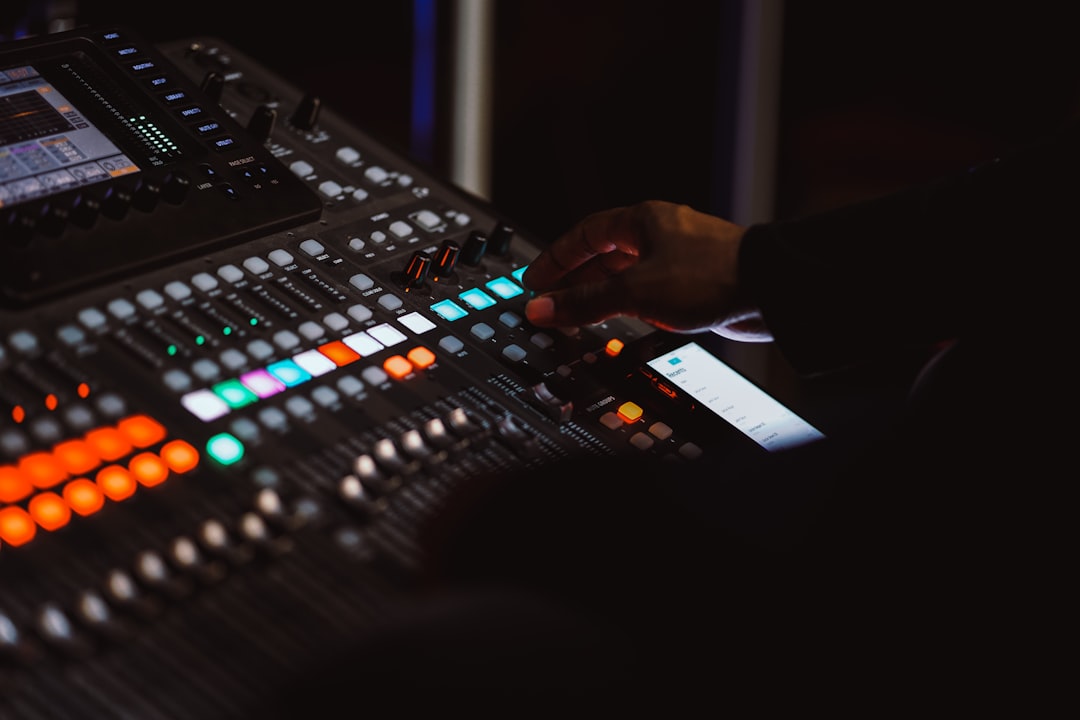
What is a mastering engineer? A mastering engineer is the specialist who takes a finished mix and applies the final stage of polish — refining its tone, dynamics and loudness, ensuring it translates across every playback system, and making a collection of songs feel consistent as one cohesive release. They’re the last set of ears before a record reaches listeners. This guide explains what they do, how mastering differs from mixing, and how it works as a career.
Quick answer: a mastering engineer optimises and finalises a mix — subtle EQ, dynamics and loudness control — so it sounds its best everywhere and sits cohesively in an album or EP. They work with the single finished stereo file, not the individual tracks.
What a mastering engineer actually does
Mastering is about refinement and consistency, not dramatic change. The work includes:
- Final tonal balance — gentle, broad EQ to perfect the overall sound.
- Dynamics and loudness — controlling levels and bringing the track to an appropriate, competitive loudness. See LUFS explained.
- Translation — making sure it holds up on phones, earbuds, car systems and big speakers.
- Consistency across a release — so every track feels like part of the same record.
- Sequencing, spacing and final delivery formats and metadata.
For the bigger picture of the stage, read what is mastering.
How mastering differs from mixing
This is the key distinction. A mixing engineer works with many individual tracks and blends them into a stereo mix. A mastering engineer receives that single finished stereo file and refines it as a whole. Mixing makes the parts work together; mastering makes the finished song work everywhere and sit alongside other tracks. Mastering moves are typically subtle and surgical, because the engineer can no longer touch individual elements.
Why mastering is a specialism
Mastering is often treated as a separate discipline for good reasons:
- Fresh, objective ears. A mastering engineer hasn’t lived inside the mix for weeks and can hear it cleanly.
- Exceptional monitoring. Mastering rooms and systems are built for accuracy. See acoustic treatment for home studios and headphones-mixing/”>monitors vs headphones for mixing.
- Refined critical listening. Hearing tiny tonal and dynamic shifts is a developed skill.
- Translation experience. Knowing how choices play out across countless systems.
Skills and tools
Mastering rewards extraordinary ears, restraint and a deeply familiar, accurate listening environment. The toolset is focused — high-quality EQ, compression, limiting and metering — used gently and precisely. The skill is in subtlety, not heavy processing. A strong grasp of EQ and compression and loudness standards is essential, and critical listening matters more here than anywhere else in the chain.
A typical mastering workflow
Although every engineer has their own approach, most masters follow a similar order. Understanding it helps you see why the stage is so different from mixing.
- Critical listening first. Before touching a single control, the engineer plays the mix all the way through on accurate monitors, often in mono as well as stereo, to form an honest impression of what the track needs — and, just as importantly, what it doesn’t.
- Corrective and tonal EQ. Broad, gentle moves address any tonal imbalance — perhaps easing a slightly heavy low-mid build-up or adding a touch of air — rather than reshaping the sound.
- Dynamics control. Light compression can glue the track together and even out level swings, used in small amounts so the music keeps its life.
- Loudness and limiting. A limiter raises the overall level to a sensible, competitive loudness without crushing the transients or introducing distortion. The aim is a master that feels loud and open, not squashed.
- Reference and translation checks. The engineer compares the master against commercial reference tracks and listens on different systems — monitors, earbuds, a phone speaker, the car — to confirm it holds up everywhere.
- Sequencing and delivery. For an album or EP, tracks are level-matched to each other, gaps and fades are set, and final files are exported in the formats and with the metadata each platform needs.
How to choose a mastering engineer
If you decide to hire out the final stage, a few practical considerations make the choice easier:
- Listen to their portfolio in your genre. Mastering tastes differ. An engineer whose work in your style sounds great to you is a far safer bet than a generic showreel.
- Check how they handle revisions. A good engineer expects a round or two of feedback. Clear revision terms up front avoid friction later.
- Ask about deliverables. Make sure they supply the formats you actually need — streaming-ready files, and any specific masters for other platforms or physical formats.
- Send your best possible mix. Mastering refines a mix; it can’t rescue a poor one. Leave headroom on your stereo bus and avoid heavy limiting on the master output before you send it.
Common mistakes people make about mastering
Mastering is widely misunderstood, which leads to disappointment. A few of the most frequent misconceptions are worth clearing up:
- Expecting it to fix the mix. Mastering can’t un-bury a vocal or separate two clashing instruments — those are mixing problems. If something is wrong at the mix stage, the fix belongs there.
- Chasing loudness above all. Pushing a master as loud as possible squashes dynamics and tires the listener. Streaming services normalise playback levels anyway, so a clean, dynamic master often sounds better than a brick-walled one.
- Skipping the room. Trying to master on untreated monitors or unfamiliar headphones leads to decisions that don’t translate. Accurate monitoring is the foundation of the whole stage.
- Over-processing. When in doubt, do less. Many mixes need only a light touch, and aggressive moves at this stage are hard to undo because the engineer is working on the whole track at once.
Mastering as a career
Mastering tends to take longer to break into than mixing, because it demands such refined ears and trusted monitoring. But it’s a respected specialism with steady demand — every release needs mastering, and it can pay well once you build a reputation, as the figures in how much audio engineers make show. Many mastering engineers work freelance, serving clients remotely through platforms like SoundBetter, AirGigs, Fiverr and Upwork, or through direct relationships with artists and labels; for a rundown of where to look, see the best sites to find mixing and mastering clients. If this is your path, see how to become a mastering engineer and how to price your mastering services.
Do you always need a separate mastering engineer?
Not always. Independent artists often master their own work, and that can be fine for many releases. But a dedicated mastering engineer brings objectivity, specialist ears and a calibrated room that’s hard to replicate at home. For important releases, a second specialist set of ears usually adds real value. For context on the wider field, see types of audio engineering jobs.
Frequently asked questions
What’s the difference between a mastering engineer and a mixing engineer?
A mixing engineer blends the individual tracks of a song into a stereo mix. A mastering engineer takes that finished stereo mix and refines it for loudness, tone and translation, and makes a release feel consistent. Mixing works with many tracks; mastering works with the single finished file.
Can you master your own mixes?
You can, and many independent artists do. But you lose the objectivity of fresh ears and the accuracy of a dedicated mastering setup. For important releases, a separate mastering engineer often adds value precisely because they hear the track cleanly and work in a calibrated room.
Is mastering harder to learn than mixing?
Many find it takes longer, because it relies so heavily on refined critical listening and a trustworthy monitoring environment. The processing is subtle, so small misjudgements show. Most engineers build solid mixing skills first, then develop mastering over time. See how long it takes to become an audio engineer.
How long does it take to master a track?
It varies with the material and how much attention it needs, but a single track is often turned around in a matter of hours of focused work, plus time for revisions. Mastering a full album takes longer because the engineer also has to balance every track against the others so the release feels consistent from start to finish.
What should I send to a mastering engineer?
Usually a single high-resolution stereo file of your final mix, with a little headroom left on the master bus and no heavy limiting applied. Keeping that headroom gives the mastering engineer room to work. If you’re unsure of their exact requirements, ask before you export — preferred sample rate, bit depth and file format can differ between engineers.



