
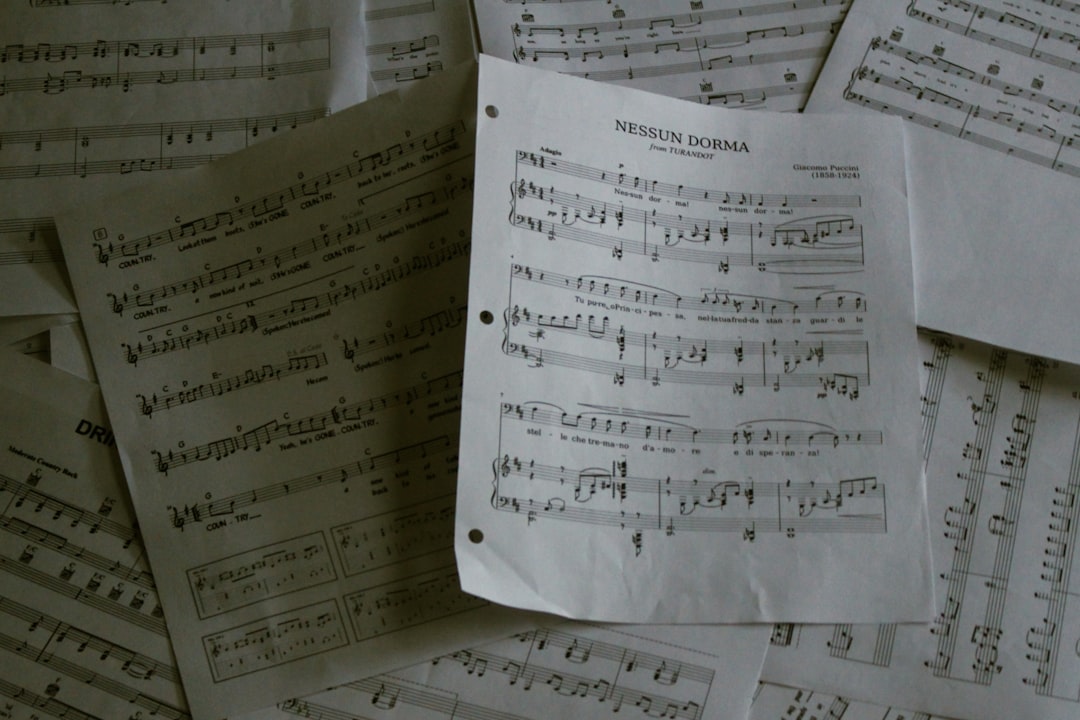
Songwriters block is the feeling that you have nothing to write or that everything you write is bad. The cure is rarely waiting for inspiration; it is changing your inputs and lowering the stakes so ideas can flow again. The fastest way out is to give yourself a small, specific task instead of staring at a blank page.
Why you get stuck
Most blocks come from one of three things: too much pressure to write something great, too few fresh inputs, or a tired routine. When every idea has to be a hit, your inner critic shuts the door before you start. The fix is to separate creating from judging, and to feed yourself new material to react to.
Use constraints to unstick yourself
A blank page is paralysing because the options are infinite. Constraints narrow the choices and make starting easy:
- Limit your chords. Write a whole verse using only three chords, such as C, G, and Am. Limits force creativity. Our list of common chord progressions gives ready starting points.
- Set a timer. Give yourself ten minutes to write a rough chorus. Speed silences the critic.
- Pick a title first. Choose a phrase and write a song that earns it.
- Change the key or tempo. A new key can suggest a new mood and melody, and learning to transpose music to a different key lets you shift an idea quickly to find one that sparks.
Refill the well with new inputs
You cannot pour from an empty cup. Block often means you have stopped taking in fresh material. Read, listen to music outside your usual taste, take a walk, or jot down overheard lines. Keep a notes file of images, titles, and fragments so you always have raw material to react to when you sit down.
Practical techniques that get words flowing
- Freewrite. Write for five minutes without stopping or editing. Most of it will be junk; one line may be gold.
- Start in the middle. If the first line is blocking you, write the chorus or bridge and work outward.
- Change instruments. If you always write on guitar, try piano, or just hum melodies into your phone.
- Finish badly on purpose. Give yourself permission to write a deliberately bad version. You can fix a draft; you cannot fix a blank page.
- Mine a prompt. Pick a feeling, a place, or a single object and write only about that.
If you still feel stuck after warming up, our walkthrough on writing a song from scratch gives a full process to follow when you have nothing to start from.
Match the technique to the kind of block
Not every block is the same, and reaching for the wrong fix wastes time. Once you have warmed up, it helps to name what is actually stopping you and treat it directly.
- The blank-page block. You have nothing at all. This is a fuel problem, not a skill problem. Refill your inputs and start with a single constraint, such as one chord pair or one image, so you are reacting to something rather than conjuring from nothing.
- The half-finished block. You have a strong verse but the song will not grow. Usually you are trying to edit and write at the same time. Rough out a deliberately bad chorus to keep momentum, then refine later.
- The “everything I write is bad” block. This is your inner critic talking, not an honest assessment. Lower the stakes, write something you never intend to release, and judge it tomorrow when you have distance.
- The burnout block. If sitting down feels like dread, you may simply be tired. Short, playful sessions and a few days of listening rather than writing often do more than forcing output.
Common mistakes that keep you blocked
Plenty of writers stay stuck not because the block is severe but because of how they respond to it. Watch for these habits:
- Waiting for the perfect idea. Inspiration usually arrives while you are working, not before. Starting badly is how you summon it.
- Editing the first line forever. Polishing one line before the song exists guarantees the song never exists. Get a full rough draft down first.
- Only writing on one instrument. Habitual hand shapes lead to habitual songs. Switching instruments breaks the pattern instantly.
- Comparing your draft to finished records. The songs you admire were rewritten many times. Comparing your first pass to a final master is unfair and demoralising.
- Treating a dry spell as proof you are not talented. Block is a workflow state, not a verdict. The writers who keep going are the ones who treat it as a puzzle to solve.
Write with someone else
A co-writer brings new ideas and breaks your habits instantly. Even bouncing a rough idea off a friend can spark the line you were missing. Our guide on how to co-write a song covers ways to share the work without friction.
Build habits that prevent block
- Write regularly, not just when inspired. A short daily session keeps the muscle warm.
- Separate writing from editing. Generate first, judge later. Mixing the two is what freezes you.
- Finish things. Completing rough songs builds confidence that the next idea will come.
- Keep an idea bank. Voice memos and a notes file mean you never start from zero.
The aim of these habits is to make writing ordinary rather than precious. When a session is just another part of your week, no single blank page carries enough weight to stop you, and the occasional dry day passes without becoming a full block.
If you know a writer who could use a nudge, our guide to gifts for songwriters rounds up tools that make capturing ideas easier.
Frequently asked questions
Is songwriter’s block real or just an excuse?
It is a real experience, usually caused by pressure, stale inputs, or fatigue rather than a lack of talent. Treating it as a workflow problem to solve, not a verdict on your ability, is what gets you writing again.
What is the fastest way to break a block?
Give yourself a tight constraint and a short timer, then write something deliberately rough. Removing the pressure to be good and narrowing your options gets ideas moving faster than waiting for inspiration.
Should I force myself to write when blocked?
Gentle, low-stakes writing helps; grinding out work you hate can make it worse. Aim for short, playful sessions with constraints rather than long, pressured ones, and step away to refill inputs when nothing comes.
How long does songwriter’s block usually last?
There is no fixed length, because it ends when your approach changes rather than when enough time passes. Most writers move through it within a session or two once they swap the pressure to be brilliant for a small, concrete task and start refilling their inputs.



