
Stereo, 5.1, 7.1 — the numbers describe how many speakers carry the sound, but the real difference is what each format lets a mix do. Here’s how they compare, what the “.1” actually means, and how to know which one your project genuinely needs.
| Format | Channels | Speaker layout | Where it’s used |
|---|---|---|---|
| Stereo (2.0) | 2 | Left, right | Music, podcasts, social & web video, earbuds/laptops. |
| 5.1 | 6 (5 + LFE) | FL, centre, FR, 2 surrounds, subwoofer | Features, broadcast, most streaming specs. |
| 7.1 | 8 (7 + LFE) | 5.1 with the surrounds split into side + rear pairs | Theatrical & premium home-cinema. |
The formats at a glance
Stereo (2.0)
Two channels, left and right. Everything you hear sits on a line between two speakers (or in your headphones), and the mixer creates width and depth through panning, level and reverb. It remains the universal delivery format: music releases, podcasts, social video and YouTube are overwhelmingly consumed in stereo.
5.1 surround
Six channels: front left, centre, front right, two surrounds behind the listener, and the “.1” — the LFE (low-frequency effects) channel feeding a subwoofer, which only carries deep bass and therefore counts as a tenth of a full channel. The centre speaker is the workhorse for film: dialogue is anchored there so it stays locked to the screen wherever you sit, while music spreads across the fronts and ambience wraps from behind. 5.1 is the standard delivery ask for features, broadcast and most streaming specs.
7.1 surround
Eight channels: the same layout with the surround field split into four — side pairs and rear pairs — giving smoother panning around the listener and more precise placement behind you. It appears mainly in theatrical work and premium home-cinema releases. (Beyond 7.1 lies object-based audio such as Dolby Atmos, which drops the fixed-channel model entirely — a different pipeline and spec.)
What a surround mix changes creatively
Surround isn’t stereo with extra speakers bolted on; it changes the grammar of the mix. Dialogue lives in the centre channel. Atmospheres — rain, traffic, room tone — surround the audience instead of sitting in front of them. Music can be staged wide without fighting the dialogue. And the LFE channel gives impacts and rumble physical weight that stereo simply can’t deliver. Concert films are a great example: a good 5.1 music mix puts the band in front of you and the crowd around you, which is the closest recorded sound gets to being at the show.
Which one does your project need?
- Stereo is enough for music releases, podcasts, social and web video, and anything consumed mainly on phones, laptops and earbuds. A great stereo mix beats a rushed surround one every time.
- You need 5.1 when a delivery spec says so — festivals, broadcasters, streamers and distributors commonly require it for long-form content — or when the viewing context is a room with a proper system: cinema screenings, concert films, home-theatre releases.
- You need 7.1 when the spec names it, which usually means theatrical or premium home-video deliverables.
The practical rule: check your delivery requirements document before booking any mix. It will name the format, the loudness standard and the deliverables (printmaster, stems, M&E), and mixing to the wrong spec means paying twice.
Common questions
Can a stereo mix be turned into 5.1?
Yes — it’s called an upmix — but there’s a hierarchy of quality. A true surround mix built from the original stems or session always images best; an upmix from a finished stereo file can pass spec but will never place sounds as convincingly. If you still have your multitracks, a remix beats an upmix.
Does a surround mix play on stereo systems?
Yes, via a fold-down — the six or eight channels are summed back to two. Good engineers check the fold-down deliberately rather than trusting the automatic result, because centre-channel dialogue and LFE content can shift in level when collapsed.
Do I need a special room to mix surround?
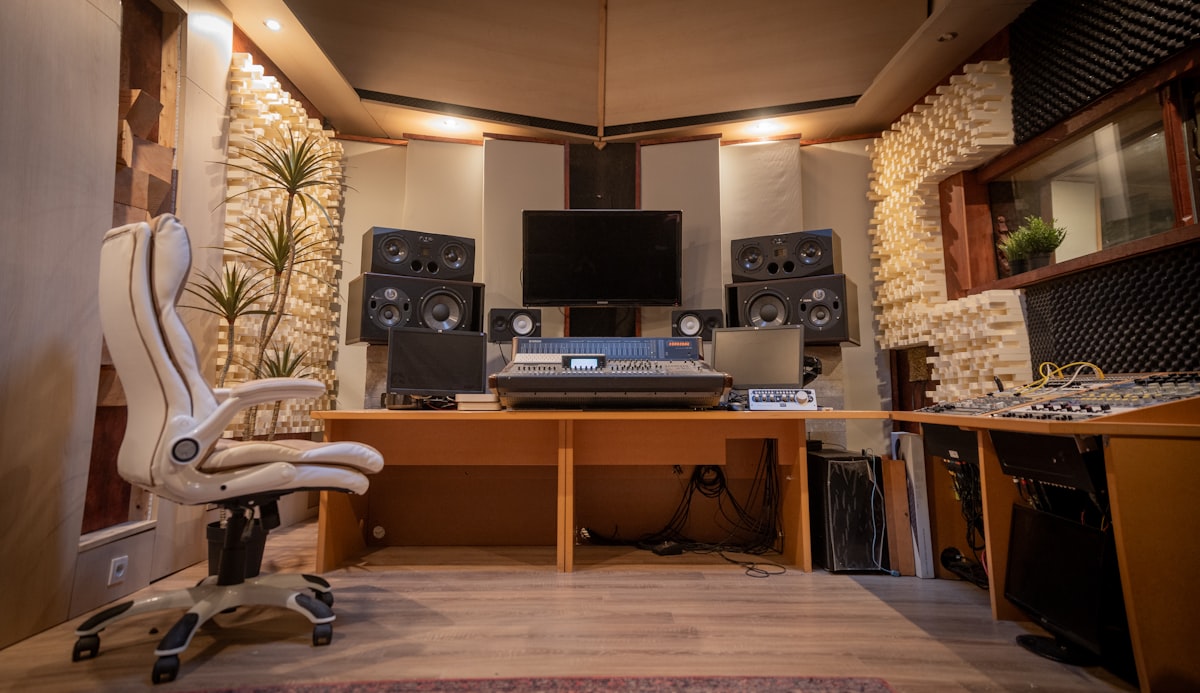
The engineer does: a calibrated multi-speaker room, because headphone monitoring can’t reliably tell you what the surround field is doing. That’s a big part of why surround mixing costs more than stereo — you’re booking a room and a discipline, not just extra channels.
If your project has a 5.1 or 7.1 requirement, our surround sound mixing service matches you free with a vetted engineer who delivers to spec — printmaster, stems, M&E and checked fold-downs included. For stereo work, head to online mixing & mastering, and if your source material needs rescuing before any mix, start with audio cleanup & restoration.



