The Dorian mode is a minor scale with one bright twist: a raised sixth note. Take a natural minor scale and lift its sixth degree up a semitone, and you have Dorian. That single change is why Dorian sounds minor but hopeful rather than sad — it’s the sound of funk, soul, folk and a lot of moody pop.
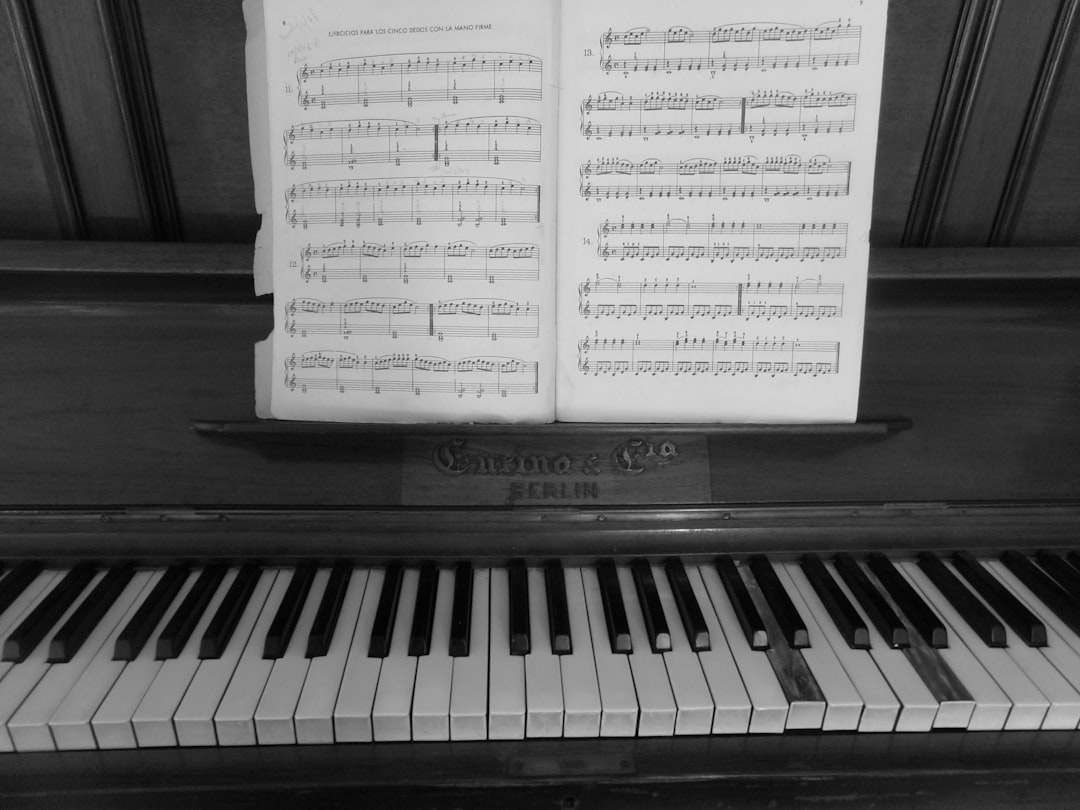
The easiest way to hear it: play all the white keys on a piano from D up to D. That is D Dorian, the most famous example, and it uses no sharps or flats.
How to build the Dorian mode
Dorian’s formula compared to a major scale is: 1, 2, flat 3, 4, 5, 6, flat 7. Compared to the natural minor scale, only the sixth is different — it’s raised. So in D:
- D natural minor: D, E, F, G, A, B flat, C
- D Dorian: D, E, F, G, A, B natural, C
That B natural is the heart of the sound. Whenever you want to convert a minor scale into Dorian, find its sixth note and raise it one semitone. If intervals are still new to you, our guide on music intervals explains why that raised sixth changes the colour so much. If you’re still nailing down the basic flat-third sound first, our breakdown of major vs minor scales is a good warm-up.
Dorian in other keys
D Dorian is the easy one because it has no sharps or flats, but the mode works from any root — you simply apply the same formula. The quickest mental shortcut is to remember that Dorian on a given note shares its key signature with the major scale a whole tone below. So G Dorian uses the notes of F major (one flat), and A Dorian uses the notes of G major (one sharp). Once you can spell the parent major scale, you just start and end on the second degree and treat that note as home. The same note-shifting skill you use to transpose music to a different key makes moving Dorian around effortless. Here are two more to practise with:
- A Dorian: A, B, C, D, E, F sharp, G — the raised sixth is the F sharp.
- G Dorian: G, A, B flat, C, D, E, F — the raised sixth is the E natural.
Notice in each case that the sixth degree is a major sixth above the root, which is exactly what separates Dorian from the natural minor scale built on the same note.
What Dorian sounds like
Dorian sits between sad and bright. It’s minor enough to feel serious, but the raised sixth removes the heavy, fully-melancholy weight of natural minor. People often describe it as cool, soulful or hopeful-melancholy. You’ll hear it in classic funk grooves, Celtic and folk tunes, jazz improvisation and plenty of film scores that want “minor but not depressing.”
The chords that make it Dorian
The signature chord move in Dorian is the minor i chord to a major IV chord. In D Dorian that’s Dm to G (a major chord). That major IV is only possible because of the raised sixth (the B natural lives inside the G chord), and it’s the giveaway sound of Dorian. A simple vamp between Dm and G, looping back and forth, instantly conjures the mode. Build the rest of your chords from the Dorian scale using the same logic as diatonic chords, and keep returning to the Dm to keep D as home.
It helps to see the full set of triads the mode produces. In D Dorian, building a chord on each scale degree gives you: Dm (i), Em (ii), F (flat III), G (IV, major), Am (v), B diminished (vi), and C (flat VII). Two of these are worth leaning on. The major IV (G) is the brightest, most distinctive colour, while the minor v (Am) is gentler than the dominant chord you would find in a regular minor key — that softness is part of why Dorian rarely sounds tense or resolved in the classical sense. Pairing the i with the flat VII (C) is another popular move, common in folk and rock, that still keeps the modal flavour as long as you don’t let C take over as home.
How to use the Dorian mode in a song
- Pick a root and a minor home chord. Say D, with Dm as your tonic.
- Loop i to IV. Vamp Dm to G and listen for that lifted, cool feel.
- Feature the raised sixth in the melody. Land on or pass through the B natural so the colour shows.
- Avoid a strong pull back to a different key. If your chords start treating C as home, you’ve slipped into C major and lost the mode.
Dorian fits neatly into ordinary songwriting. You can drop a Dorian vamp under a verse, then move to a brighter section — the contrast does a lot of emotional work. For the bigger picture of how it relates to the other six modes, see music modes explained, and once you’re comfortable you can layer the same idea over common chord progressions.
Common mistakes to avoid
The single biggest trap with any mode is letting it collapse back into a regular major or minor key. Because D Dorian uses the same notes as C major, it is dangerously easy to write a progression that quietly makes C the centre of gravity. The moment your ear hears C as home, the Dorian flavour evaporates and you are simply in C major. Keep the tonic chord (Dm here) sounding often and on strong beats, start and end phrases on it, and resist resolving to the relative major.
A second mistake is hiding the one note that defines the mode. If your melody and chords never touch the raised sixth, the listener has no way to tell Dorian apart from natural minor. Make a point of writing the sixth into a melodic phrase or a chord — the major IV is the most reliable way to put it on display. Finally, avoid adding the leading tone (a raised seventh, as in harmonic minor) by reflex. That raised seventh creates a strong dominant pull that fights the relaxed, floating quality Dorian is prized for; keep the flat seventh and let the mode breathe.
Frequently asked questions
What is the difference between Dorian and natural minor?
Just one note: the sixth. Dorian raises the sixth degree of the natural minor scale by a semitone. That single raised note brightens the mode and creates Dorian’s signature major IV chord, which natural minor doesn’t have.
What is the easiest Dorian mode to play?
D Dorian, because it uses only the white keys on a piano from D to D — no sharps or flats. It’s the standard teaching example and a great place to hear the mode clearly before transposing it to other roots.
What kind of music uses the Dorian mode?
Funk, soul, jazz, Celtic and folk music lean on Dorian heavily, and it appears often in rock and film scores. Any time a song feels minor but cool or hopeful rather than gloomy, Dorian is frequently the reason.
Is Dorian a major or a minor mode?
Dorian is a minor mode — it has a flat third, which is what makes the tonic chord minor. The raised sixth gives it a brighter character than natural minor, but the third still settles the question: the home chord is minor, so Dorian belongs to the minor family.