
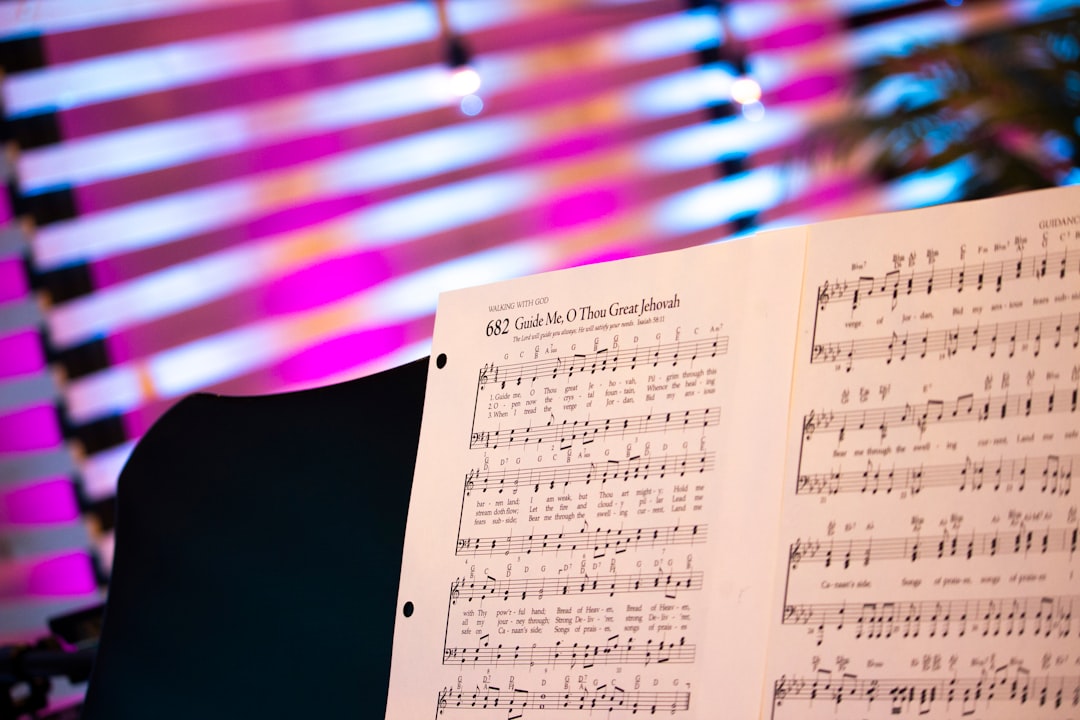
Chord inversions are the same chord with a different note on the bottom. A C major chord is always C, E and G, but you can stack those notes so that E is lowest, or G is lowest, instead of C. The notes don’t change — only which one sits in the bass — and that small move smooths your progressions and gives them a more professional flow.
For songwriters, inversions are one of the cheapest upgrades available. The same three chords can sound clumsy in root position and elegant once you invert one or two of them.
The three positions of a triad
A basic triad has three notes, so there are three ways to arrange which one is lowest:
- Root position — the root is in the bass. C major as C–E–G.
- First inversion — the third is in the bass. C major as E–G–C.
- Second inversion — the fifth is in the bass. C major as G–C–E.
It’s still a C major chord in every case, because it still contains the same three notes. The bass note just changes the chord’s weight and how it connects to the chords around it within a chord progression.
How inversions are written: slash chords
Inversions are usually written as slash chords, where the letter before the slash is the chord and the letter after it is the bass note. So:
- C/E means a C chord with E in the bass (first inversion).
- C/G means a C chord with G in the bass (second inversion).
Not every slash chord is a simple inversion — sometimes the bass note isn’t part of the chord at all, which creates a different colour. But for inversions, the bass note is always one of the chord’s own notes. You’ll meet this notation constantly once you start to read guitar chord charts and lead sheets.
Why songwriters use inversions
The biggest reason is voice leading: keeping the bass line and inner notes moving by small steps instead of big leaps. This is the same logic that drives counterpoint, where independent lines move smoothly against each other. Compare a C to G change. In root position the bass jumps from C down to G. Use C then G/B (G with B in the bass) and the bass slides smoothly from C down to B — a single step. That smoothness is what makes pro progressions feel connected rather than blocky.
Inversions also let you build a descending or ascending bass line under static-feeling chords, a trick behind countless ballads. And they change a chord’s emphasis without changing the harmony, which is useful when a root-position chord feels too heavy in a delicate verse. They pair naturally with the kinds of moves in our guide to common chord progressions.
A quick example
Take the progression C – G – Am – F. In root position the bass leaps around. Now try C – G/B – Am – F. The bass becomes C, B, A — a clean descending line into the Am — and the whole sequence feels more deliberate. That single inversion is the only change. This is the same logic you’ll use when building smooth lines under a melody over chords, so the bass and tune move with intention.
How to choose which inversion to use
You don’t need theory to make good choices here — you need your ear and one simple goal: keep the bass moving by small steps. When you’re deciding how to voice a chord, work through it like this:
- Look at the bass note you’re leaving and the one you’re heading to. If the leap is large, ask whether an inversion of the next chord brings its bass note closer. Smaller jumps almost always sound smoother.
- Decide the direction you want the bass to travel. Descending bass lines feel reflective and resolving; rising bass lines build energy and lift. Pick inversions that support the shape you want rather than fighting it.
- Mind the second inversion. A chord with its fifth in the bass sounds slightly unstable and restless. That’s not a flaw — it’s a feature when used as a passing chord — but parking on a second-inversion chord for a long time can feel unsettled, so use it as a stepping stone rather than a resting place.
- Keep the top note in mind too. The highest note of a chord is the one the listener hears most clearly. Inverting can change which note ends up on top, so check that it still sits well under your vocal melody.
In practice, songwriters rarely invert every chord. One or two well-placed inversions to fix an ugly bass leap usually does more than reworking the whole progression.
Common mistakes with inversions
Inversions are simple in theory, but a few habits trip people up when they first start using them:
- Inverting everything at once. If every chord is inverted, you lose the contrast that makes a smooth move stand out. Root-position chords feel grounded; save inversions for where they earn their place.
- Forgetting the bass player or bass line. Writing C/E only matters if the lowest sounding note actually becomes E. If your bass instrument keeps playing the root regardless, the inversion exists on paper but not in the sound.
- Confusing inversions with different chords. C/E is still a C chord, not an E chord. Naming it as something else will confuse anyone reading your chart and can lead you to harmonise the melody incorrectly.
- Overusing second inversions. Because they sound unstable, leaning on them too often makes a progression feel like it never settles. Treat them as connective tissue between stronger chords.
Frequently asked questions
What is a chord inversion?
A chord inversion is the same chord arranged so a note other than the root is in the bass. The chord keeps all its notes — only the lowest one changes. First inversion puts the third on the bottom; second inversion puts the fifth on the bottom.
What does a slash chord like C/E mean?
The letter before the slash is the chord, and the letter after it is the bass note. C/E means play a C major chord with E as the lowest note — that’s C in first inversion. Slash notation is the standard way to write inversions in lead sheets and chord charts.
Why should songwriters use inversions?
Inversions create smooth bass lines and better voice leading, so chords connect by small steps instead of big jumps. They make ordinary progressions sound more polished and let you build moving bass lines under otherwise static chords, all without changing the actual harmony.
Do inversions change the name of the chord?
No. An inversion only changes which note is in the bass, not the chord itself. C major stays C major whether the root, third or fifth is lowest. That’s why inversions are written with slash notation, such as C/E, rather than being renamed — the chord on the left of the slash tells you the real harmony.



