The best gear for streaming live music puts audio first: an audio interface, good mics, and a stable way to push video. You don’t need a broadcast studio — you need a few reliable pieces that work together every time. Here’s what to buy and why.
How to think about a streaming rig
Build your rig in this order of priority: clean audio, stable internet, decent video, then nice-to-haves. Music streams live or die on sound quality, so spend there first. The full workflow is in how to live stream a music performance; this guide focuses on the kit.
A useful mindset is to buy for the show you actually play, not the one you imagine. A solo singer-songwriter and a four-piece band have very different needs, and over-buying inputs you never use is the most common way streamers waste money. Map your gear to the number of sound sources you put on screen at once, then add one channel of headroom for guests or a spare instrument.
Audio interfaces
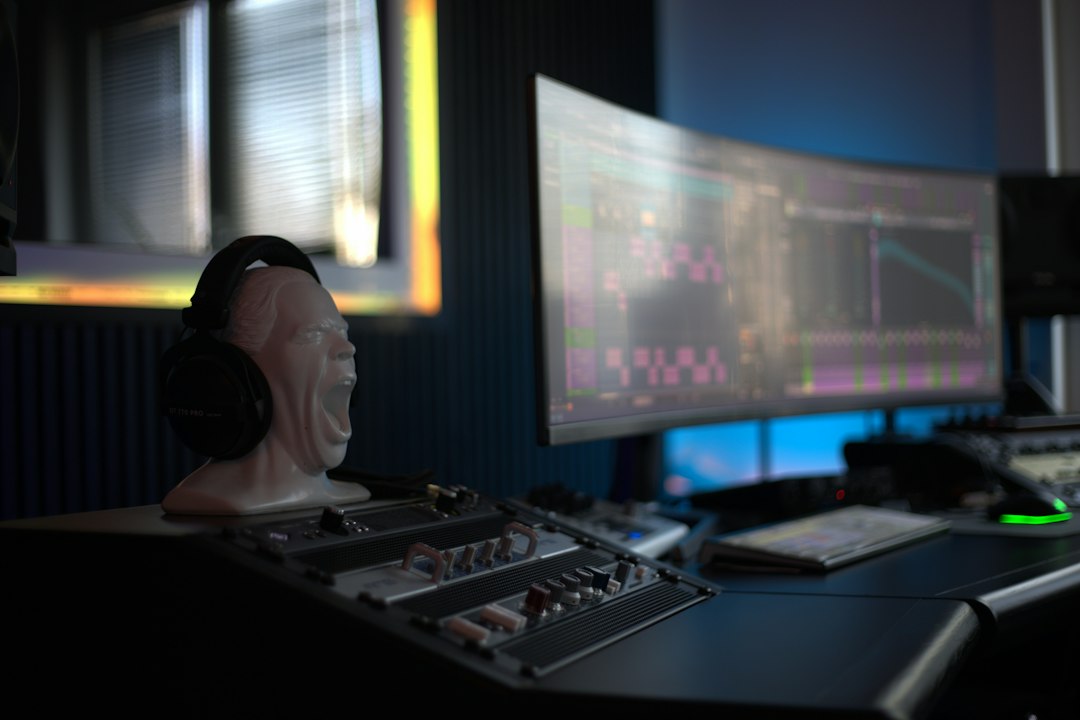
An interface gets clean signal from your mics, instruments or mixer into your computer.
- Focusrite Scarlett series: The reliable default for solo and duo streams. Clean preamps, simple to use, well supported.
- Universal Audio Volt series: Easy interfaces with vintage-flavoured options, good for streamers who also record.
- PreSonus and MOTU interfaces: Solid alternatives with more inputs if you stream a small band.
When you compare interfaces, count the inputs you genuinely need rather than chasing the highest number. A two-input unit covers a vocal mic plus one instrument; a four-input unit suits a duo with backing tracks; anything bigger is for a band or a multi-mic acoustic setup. Check that the interface has enough clean gain for your quietest microphone — some broadcast dynamics need a lot of it — and confirm it has low-latency monitoring so performers can hear themselves without distracting delay.
If you’re choosing between an interface and a mixer for your feed, our explainer on audio interface vs mixer helps, and setting up an audio interface gets you running.
Microphones
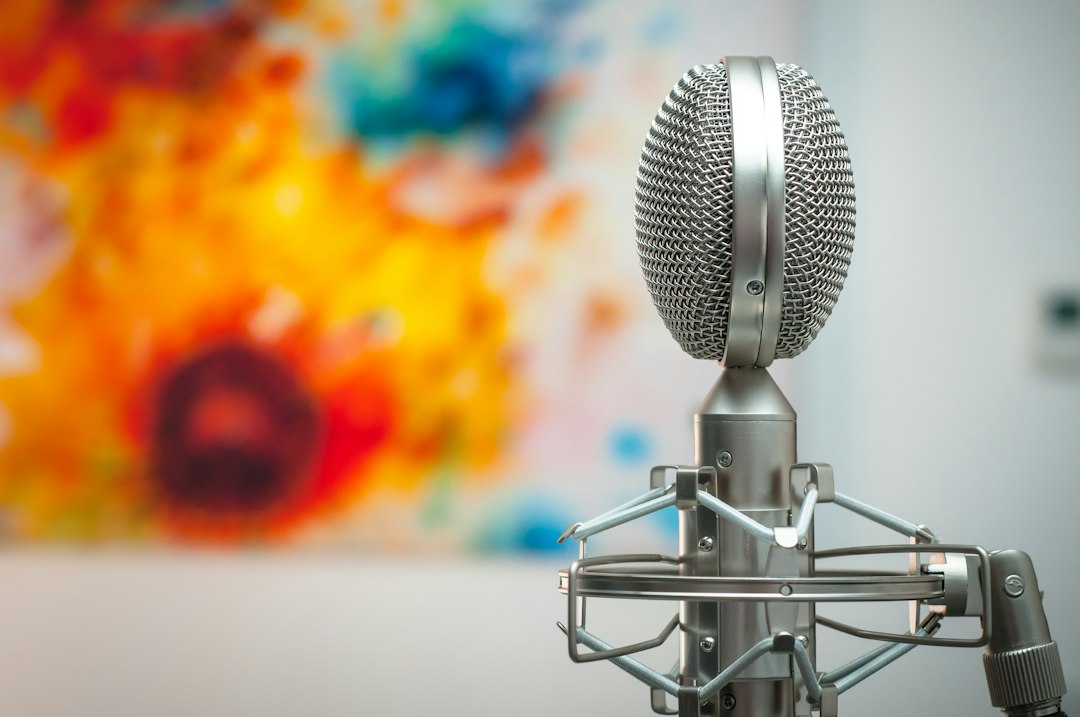
- Shure SM58 / SM57: Rugged dynamics for vocals and instruments that ignore room noise — ideal for live capture.
- Shure SM7B: A broadcast-style dynamic loved for spoken intros and vocals when the room is treated.
- Sennheiser e835 / e935: Reliable handheld dynamics for live vocal streaming.
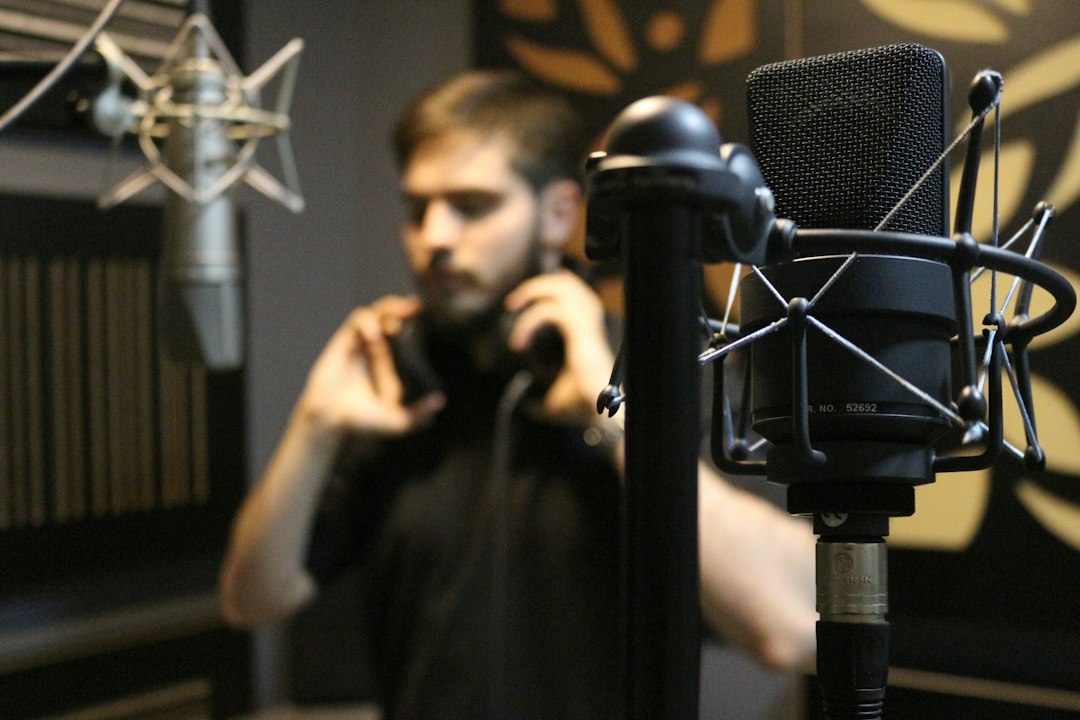
- Condensers (e.g. AKG, Audio-Technica): More detail for acoustic instruments, but they pick up the whole room, so use them only in a controlled space.
The single biggest factor in mic choice for streaming is your room. Most home spaces are untreated and a bit echoey, and a dynamic microphone’s tighter pickup pattern hides far more of that than a sensitive condenser will. If your stream sounds boxy or distant, the fix is usually getting a dynamic mic closer to the source rather than buying a more expensive condenser. Reserve condensers for quiet, treated rooms or for acoustic instruments where their extra detail genuinely earns its keep. For specific recommendations, see our roundup of the best microphones for live vocals.
Not sure which type suits your situation? See condenser vs dynamic microphones.
Cameras
- Phones: Modern phone cameras are genuinely good and the fastest single-camera option.
- Webcams (e.g. Logitech): Plug-and-play for a fixed shot.
- Mirrorless / DSLR with a capture card: The best image quality. Pair the camera with a USB capture device such as an Elgato Cam Link to feed it into streaming software.
Whatever camera you use, lighting does more for perceived quality than resolution. A single soft light placed slightly off to one side will make a phone look better than an expensive camera in a dim room. Keep bright windows in front of you rather than behind, and lock your camera’s exposure and white balance if it lets you, so the picture doesn’t shift mid-song.
Encoder and software
- OBS Studio: Free, powerful, and the standard for mixing cameras, audio and overlays before streaming to most platforms.
- Hardware encoders / switchers (e.g. Blackmagic ATEM Mini): Combine multiple cameras and audio into one clean output, great for multi-camera music streams without a heavy computer load.
Software like OBS is the right starting point because it costs nothing and teaches you how scenes, sources and audio routing fit together. Move to a hardware switcher only when your computer starts straining under multiple cameras, or when you want the reliability of a dedicated box that won’t crash mid-performance. The switch is about workload and dependability, not image quality on its own.
Cables, stands and the unglamorous essentials
- Quality XLR cables — if you’re unsure on connectors, see XLR vs TRS cables for live sound.
- Sturdy mic and camera stands or clamps.
- A wired Ethernet adapter so you stream over cable, not Wi-Fi.
- A simple light or two for even, flattering illumination.
These are the parts people skimp on and then regret live on air. A flimsy stand that droops mid-set, a crackly cable, or a Wi-Fi connection that drops at the chorus will ruin an otherwise good stream. Buy these once, buy them solid, and keep a spare cable in the bag.
A starter rig vs a step-up rig
| Need | Starter | Step-up |
|---|---|---|
| Audio in | 2-input interface | Mixer or multi-input interface |
| Mic | One dynamic vocal mic | Multiple matched mics |
| Video | Phone or webcam | Mirrorless + capture card, multi-cam |
| Encoding | OBS Studio on a laptop | Hardware switcher |
Start simple, stream consistently, then add cameras and inputs once you know what your show actually needs.
Common mistakes to avoid
- Spending on video before audio. A crisp picture with thin, echoey sound feels amateur; clean audio over a modest picture feels professional. Fund the audio chain first.
- Streaming over Wi-Fi. Wireless is fine until it isn’t. A wired Ethernet connection is the cheapest, most effective upgrade you can make for reliability.
- Using a condenser in an untreated room. It captures every reflection and stray noise. A dynamic mic up close is the safer choice for most home spaces.
- Skipping a soundcheck and dry run. Test levels, internet upload speed and the full signal path before you go live, every single time — our guide on how to do a soundcheck walks through it.
- No monitoring for performers. If players can’t hear a clean mix of themselves, their timing and tuning suffer. Set up headphone monitoring from the interface or mixer.
Frequently asked questions
What is the most important piece of streaming gear for music?
A way to capture clean audio — usually an audio interface paired with a proper microphone or a feed from your mixer. Viewers tolerate ordinary video far more than poor sound, so this is where your first money should go.
Can I stream live music from just a phone?
Yes, a modern phone can run a simple single-camera stream, and you can improve the sound by connecting an external mic or interface to it. It’s a great way to start before investing in cameras and a switcher.
Do I need OBS Studio or a hardware switcher?
OBS Studio is free and handles most solo and duo streams well. A hardware switcher like a Blackmagic ATEM Mini makes sense once you’re combining several cameras and audio sources and want to reduce the load on your computer.
How much internet upload speed do I need to stream live music?
Aim for an upload speed comfortably above your stream’s bitrate — a steady, reliable connection matters more than a fast but flaky one. A wired Ethernet link is strongly preferred over Wi-Fi, and it’s wise to run a test stream at your intended quality to confirm the connection holds before an audience is watching.
Do I need headphones when streaming a performance?
Yes. Closed-back headphones let you and any other performers hear a clean monitor mix without it spilling into the microphones, which keeps timing and tuning tight. They also let you catch audio problems the moment they happen rather than after the stream ends.