

Condenser or dynamic? It’s the first real decision most people face when buying a microphone — and getting it wrong can make home recording far harder than it needs to be. The good news: once you understand how the two types differ, the right choice is usually obvious for your room, your budget and what you’re recording.
Some links in this article are affiliate links. If you buy through them we may earn a small commission, at no extra cost to you. We only recommend gear we’d use ourselves.
The 30-second answer
If you’re recording in an untreated room (most bedrooms and spare rooms), or capturing loud sources like guitar amps and drums, a dynamic microphone is usually the safer choice — it ignores most of the room and is hard to overload. If you have a quiet, treated space and want maximum detail on vocals or acoustic instruments, a condenser microphone will reward you with a clearer, more open sound.
How they actually work
A dynamic microphone works like a tiny loudspeaker in reverse: sound moves a diaphragm attached to a coil of wire that sits in a magnetic field, generating a small electrical signal. This design is simple, rugged, and needs no power. It’s also relatively insensitive, which is exactly why it handles loud sources and busy rooms so gracefully.
A condenser microphone uses a thin, electrically-charged diaphragm suspended next to a metal backplate, forming a capacitor. Tiny movements in the diaphragm create big changes in the signal, which makes condensers far more sensitive and detailed — especially in the high frequencies. That sensitivity is their strength and their weakness: they capture air and nuance, but also every reflection, fan and footstep in the room.
The differences that matter in practice
- Power: condensers need power — usually 48V “phantom power” from your audio interface; dynamics need none.
- Detail & brightness: condensers capture more high-frequency air and transient detail; dynamics sound warmer and more rounded.
- Room sensitivity: condensers pick up much more of the room, so they expose untreated acoustics; dynamics reject most of it.
- Loudness handling: dynamics shrug off high volume (amps, drums, belted vocals); condensers can distort on very loud sources.
- Durability: dynamics are famously tough; condensers are more delicate and dislike humidity and knocks.
None of this makes one type “better” — they’re tools for different jobs. Plenty of professional studios reach for a humble dynamic on one source and a pricey condenser on the next.
A quick word on gain and noise
Sensitivity also affects how much gain your preamp has to supply. Because condensers put out a healthy signal, your interface usually only needs a modest amount of gain, and the recording stays clean. Many dynamics — especially the broadcast-style ones favoured for speech — have a much lower output, so you may have to crank the preamp a long way up. On a budget interface, that extra gain can introduce a faint hiss. It’s rarely a deal-breaker, but it’s worth knowing: if you pair a low-output dynamic with a weak preamp, an inline gain booster can clean things up. If the spec sheets leave you guessing, it’s worth understanding what microphone sensitivity actually means, because that’s the number that predicts how hard your preamp will work. Condensers don’t generally suffer from this, because they reach a usable level with gain to spare.
Don’t forget the polar pattern
Whichever type you pick, how the mic “listens” in space matters just as much as how it’s built. Most home-recording mics are cardioid, meaning they pick up mainly what’s in front and reject sound from behind — ideal for isolating a single voice or instrument in a less-than-perfect room. Some condensers add switchable patterns like omnidirectional (captures everything around the mic, useful for a natural room sound or two people at one mic) and figure-of-eight (front and back, nothing from the sides). It’s worth knowing how these polar patterns work before you pay for switching you may not use. For a first home-studio mic, cardioid is almost always the right starting point, so don’t pay extra for pattern switching you won’t use yet.
When to choose a dynamic microphone
- Recording or streaming in an untreated, slightly noisy room.
- Podcasting and voiceover where you want to reject room and keyboard noise.
- Loud sources: guitar/bass amps, snare and toms, brass.
- Powerful or close-up vocals where you want a warm, controlled tone.
This is why broadcast and podcast studios lean on dynamics: they sound polished even in imperfect rooms. See our guide to mic placement for vocals to get the most out of one.
When to choose a condenser microphone
- Detailed studio vocals in a quiet, treated space.
- Acoustic guitar, piano and other instruments where air and detail matter.
- Capturing a natural, open sound when the room actually sounds good.
- Voiceover and narration where clarity is the priority and the room is controlled.
If your room isn’t treated yet, that detail can work against you — a little acoustic treatment unlocks a condenser’s real potential.
So, which should you buy?
Work through three questions, in order:
- Is your room treated and quiet? No → start with a dynamic. Yes → a condenser is on the table.
- What are you recording? Loud sources or podcasts → dynamic. Detailed vocals/acoustic in a good room → condenser.
- What’s your budget? A good dynamic is forgiving and hard to outgrow; a cheap condenser in a bad room often disappoints.
For most people setting up a first home studio, a quality dynamic microphone is the lower-risk buy — it sounds good almost anywhere. Add a condenser later, once your room is treated, to expand what you can capture. If you want to weigh up the full decision step by step, our microphone buying guide walks through it, and to shortlist specific models see our best microphones for home recording.
Common mistakes to avoid
- Buying a condenser for an untreated room. The single most common regret. That extra detail simply captures more of a room that doesn’t sound good, so recordings come back boxy or echoey. Treat the room first, or start with a dynamic.
- Blaming the mic for the room. If your vocals sound thin or roomy, the microphone is rarely the real problem — placement, distance and reflections usually are. Fix those before spending more.
- Forgetting phantom power. A new condenser that produces no signal almost always means 48V is switched off at the interface. Dynamics, by contrast, don’t need it at all.
- Recording too far back. Working close to the mic boosts the wanted source relative to the room — a free improvement that helps dynamics and condensers alike. Pair it with a pop filter to tame plosives.
- Skipping the stand and shock mount. Sensitive condensers transmit desk knocks and footsteps straight into the recording. A stable stand and shock mount matter more than most beginners expect.
Frequently asked questions
Do I need phantom power for a dynamic mic?
No. Standard dynamic microphones don’t need phantom power. Leaving 48V on won’t usually harm a modern dynamic, but it’s only required for condensers (and some active ribbon mics).
Is a condenser mic always better for vocals?
No. Condensers capture more detail, but in an untreated or noisy room a dynamic often sounds more professional because it ignores the room. The best vocal mic is the one that suits your space.
Can I use a USB condenser mic instead?
Yes — USB condensers are convenient for podcasting and quick setups. For maximum quality and flexibility, an XLR mic into an audio interface is still the studio standard.
Will a condenser pick up too much background noise?
It can. Condensers are more sensitive, so fans, traffic and computer hum are more noticeable than with a dynamic. Recording close to the mic and reducing background sources helps, but in a genuinely noisy room a dynamic is the more forgiving choice.
Can one microphone do both podcasting and music?
A good cardioid dynamic is the most versatile single buy — it handles speech and most vocals well, and copes with loud instruments. If your main goal is detailed studio vocals and your room is treated, a condenser will edge ahead on those tasks, but it’s less forgiving everywhere else.
Shop related gear
Whichever type suits your room and source, here’s where to start in our shop:
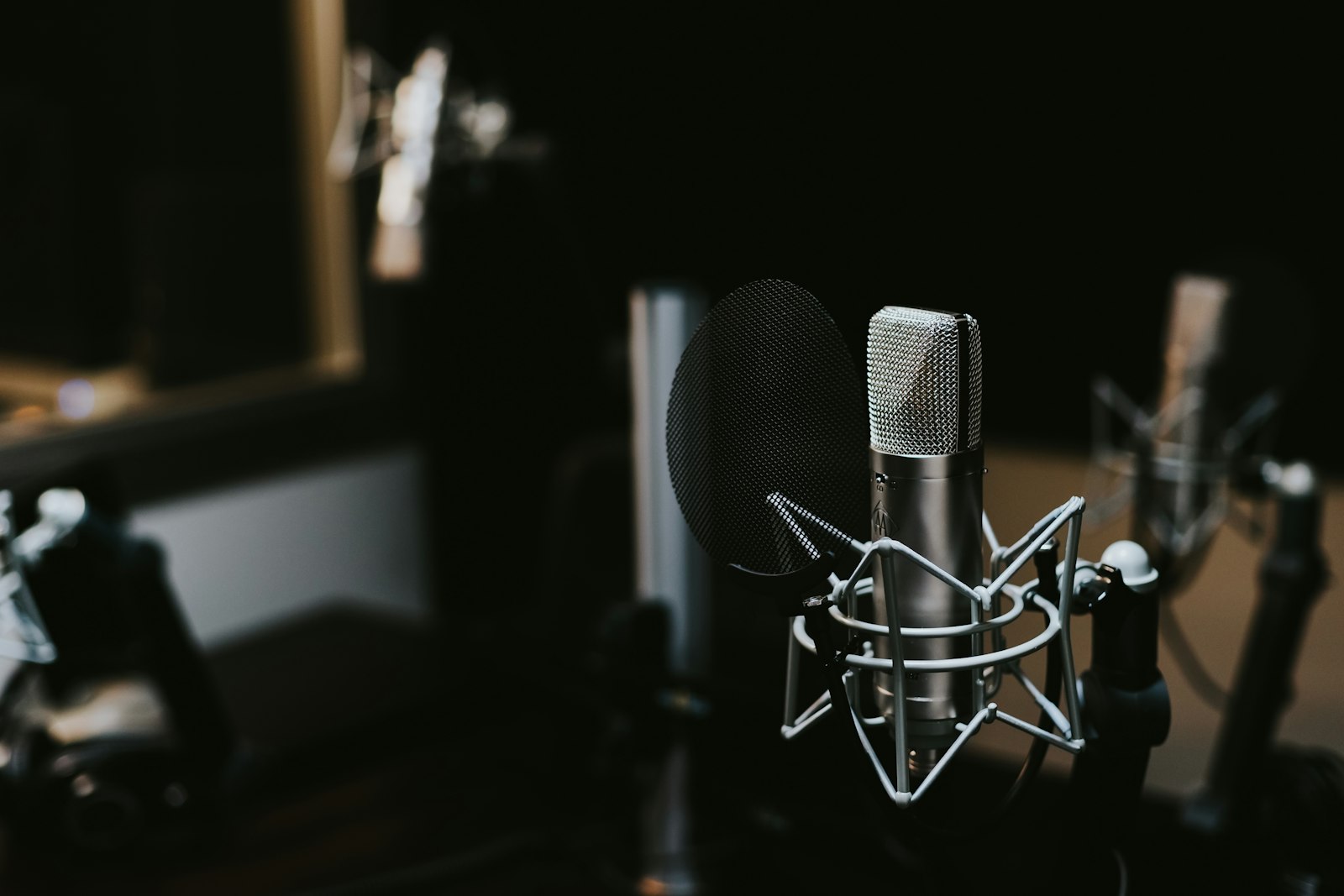
Detailed, studio-grade condenser for vocals and acoustic instruments in a treated room.
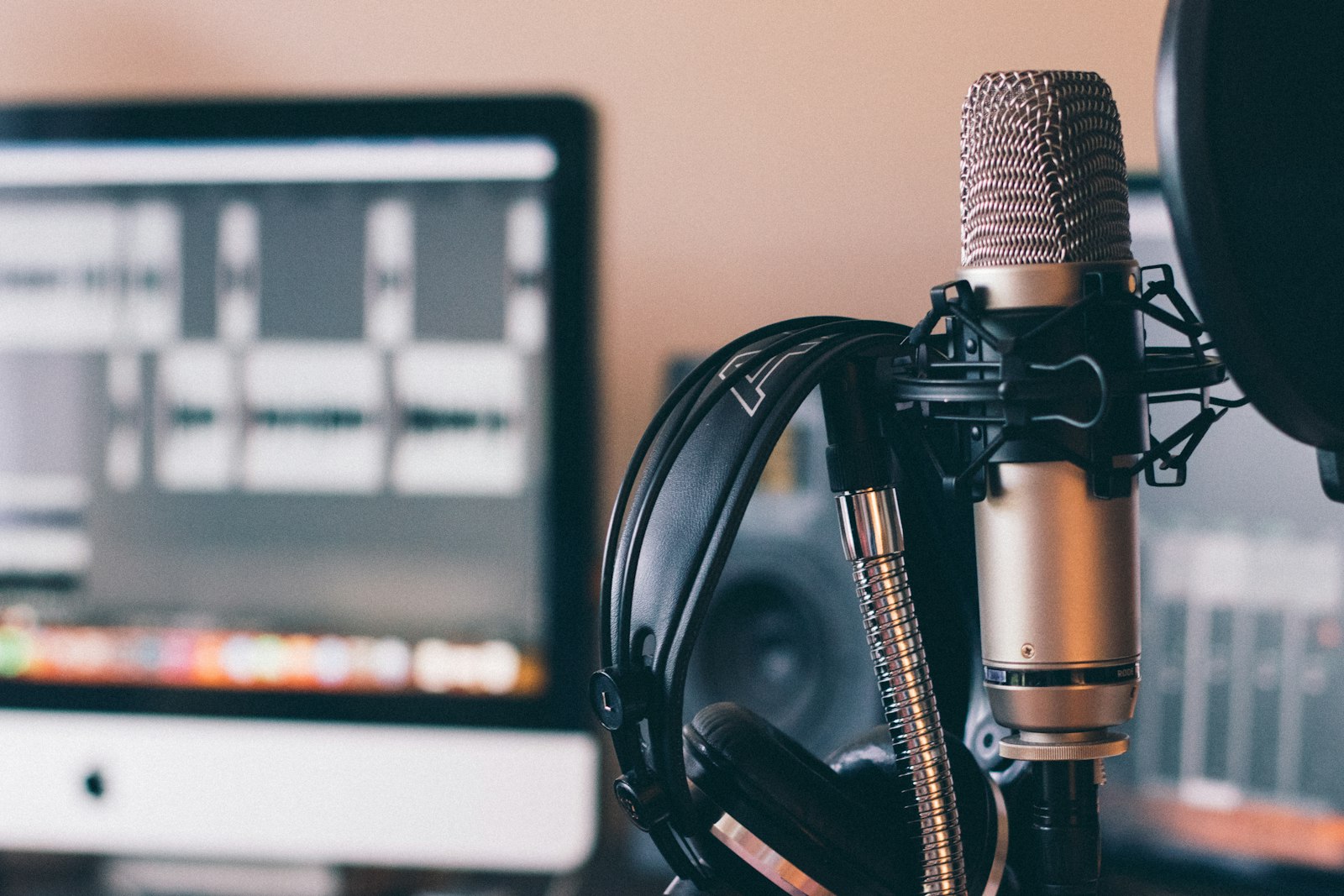
A smooth, broadcast-ready dynamic that rejects room noise — great for untreated rooms.
→ Browse all microphones in the shop



