
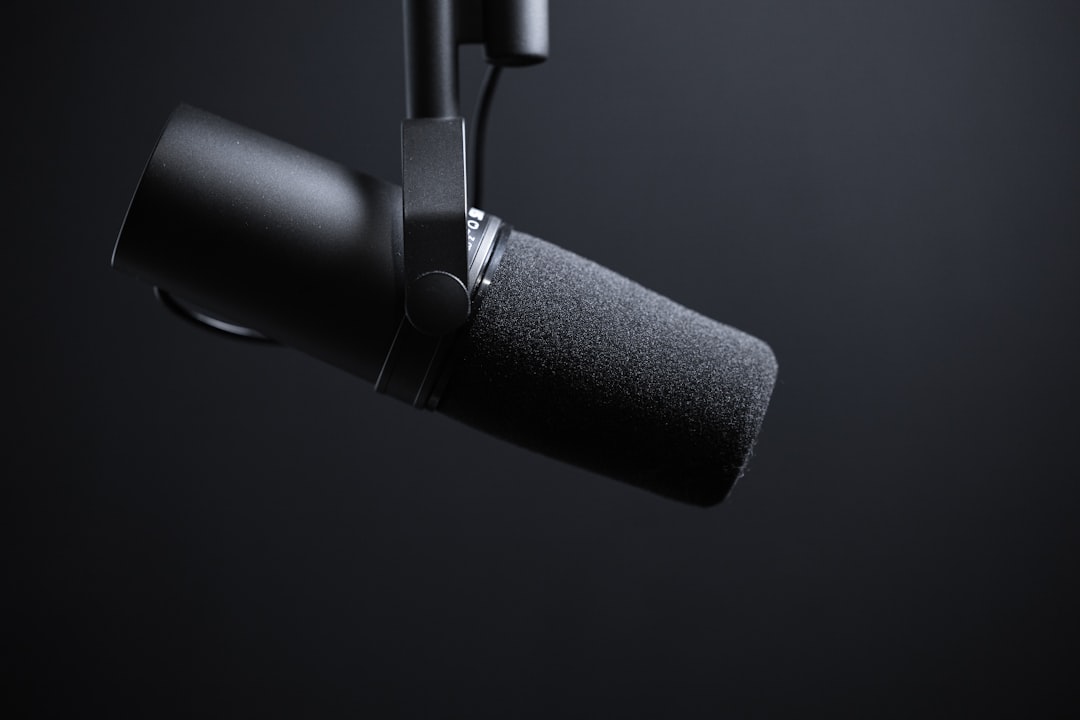
The key to learning how to record a remote podcast interview is this: never rely on the audio that travels over a video call. Internet connections compress and degrade sound. Instead, record each person locally and combine the high-quality files afterwards. This guide explains how to do that reliably, prep your guest, and avoid the mistakes that ruin remote recordings.
Why you should not just record a video call
On a normal video call, your guest’s voice is compressed, sent across the internet, and decompressed before you hear it. If you record that stream, you capture the degraded version, complete with dropouts and artefacts. The fix is to capture clean audio at the source on each end, then sync the files in editing.
The two recording approaches
Cloud-based local recording (recommended)
Dedicated tools like Riverside, SquadCast, and Zencastr record each participant’s microphone locally in high quality, then upload those separate tracks to the cloud. You and your guest just join a link in the browser — the software handles the rest. This is the most reliable approach for most people and gives you isolated tracks automatically. Our guide to the best software to record remote podcast interviews compares these tools in detail.
The double-ender (manual)
Here, each person records themselves locally — in Audacity, a DAW, or even a phone recorder — while talking over any call app for communication. Afterwards, everyone sends you their file and you sync them up. It is free and high quality but relies on your guest following instructions, so it is best with technically confident guests.
For regular guests, sending a simple handheld recorder is a reliable way to run a double-ender without depending on their computer. See our guide to the best portable recorders for podcasting.
How to choose between the two approaches
Most people overthink this. The honest answer is that the right method depends on who you record with and how much you want to manage on the day. A few practical pointers:
- Recording with non-technical guests? Use a cloud tool. The guest only has to click a link and stay in the browser, so there is far less that can go wrong on their end.
- Recording with other producers or audio-savvy people? A double-ender is perfectly fine and costs nothing, because you can trust them to start a local recording and send the file.
- Patchy internet on either side? Lean towards cloud tools that record locally first, or a double-ender, so a dropped connection does not cost you the audio.
- Recording regularly? A paid cloud subscription quickly pays for itself in saved editing time and fewer ruined sessions.
Whichever you pick, decide before you invite the guest, not five minutes before you record. The method shapes the instructions you send them.
Get separate tracks for every speaker
However you record, aim for one isolated track per speaker. Separate tracks let you edit, balance, and clean up each voice independently — essential when one person’s room is noisier or their level is different. It also makes removing background noise far easier because you only treat the track that needs it.
Prepare your guest before you hit record
Most remote audio problems come from the guest’s side. A short prep message goes a long way. Ask them to:
- Use wired headphones to prevent their speakers feeding back into the mic.
- Sit in a small, quiet, soft room and silence phones and notifications.
- Use the best mic they have — even basic headset mics beat laptop mics, and our roundup of the best podcast microphones can help them upgrade cheaply.
- Use a wired internet connection if recording in the cloud.
- Get close to the mic and avoid touching the desk.
For getting and handling guests well, see our guides on getting podcast guests and interviewing someone for a podcast.
Do a quick sound check
Before the real conversation, record a few seconds from both ends and listen back. Check levels are healthy but not clipping, confirm there is no echo or feedback, and make sure each track is recording separately. Good gain staging here prevents distortion you cannot fix later.
It is worth listening on headphones rather than laptop speakers during this check, because speakers hide hiss, room echo, and low-level hum that become obvious once the episode is published. If something sounds wrong now, it is almost always faster to fix the cause — move the mic, close a window, swap to headphones — than to repair it in editing.
Record, then sync and edit
During the interview, keep an eye on your recording indicator and resist the urge to talk over your guest — clean, non-overlapping speech edits far more easily. Afterwards, line up the tracks (a synchronised clap or count-in at the start helps), then edit normally. Our guide to editing a podcast covers the rest of the workflow.
Common pitfalls to avoid
- Recording only the call audio — always capture local tracks.
- Guest on speakers, not headphones — causes echo and feedback.
- No backup — record a local safety track even when using cloud tools.
- Forgetting to confirm the upload — wait until cloud tracks finish uploading before your guest closes the tab.
- Skipping the sound check — two minutes of testing saves you re-recording an entire interview.
- Letting levels drift — ask the guest not to move closer or further from the mic mid-conversation, as it makes balancing the final mix harder.
Frequently asked questions
Can I just use Zoom to record a podcast interview?
You can, but the audio is compressed for transmission, so quality suffers. If you must, enable any option to record a separate audio file per participant, and ask each guest to record a local backup. Dedicated tools give noticeably better results.
How do I record both sides in good quality?
Use a cloud tool like Riverside, SquadCast, or Zencastr that records each microphone locally, or run a double-ender where everyone records themselves. Both methods capture full-quality audio at the source instead of over the internet.
How do I sync the separate tracks together?
Have everyone make a sharp sound at the start, such as a clap or a count of three, then line those moments up on the timeline in your editor. Cloud recording tools usually align the tracks for you automatically.
What should I do if my guest’s audio is still poor?
First check the basics: are they on headphones, close to a decent mic, in a soft room? Most issues trace back to one of those. If the recording is already done and the voice is noisy, treat that speaker’s isolated track on its own — which is exactly why recording separate tracks per person matters so much.



