
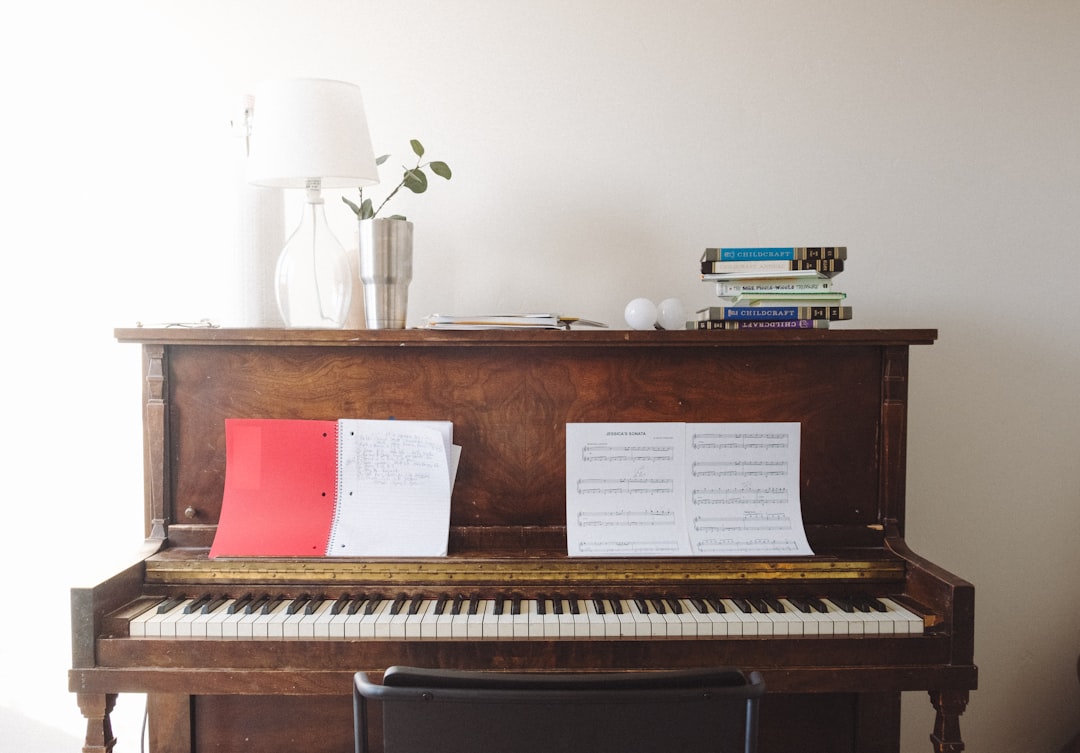
If you want to learn how to write song lyrics, start with one clear idea and a strong title, then build verses that lead to a chorus that pays it off. Good lyrics are not poetry on a page; they are words built to be sung, so they need a singable rhythm, a clear emotional centre, and just enough detail to feel real.
Start with an idea and a title
Begin with what the song is about in one sentence. Then turn the heart of that idea into a working title. A strong title often doubles as your lyrical hook, so it earns its place by being short and memorable. Keep a running list of phrases, overheard lines, and images you can pull from when you sit down to write.
How to write song lyrics step by step
- Write the chorus first. The chorus carries the main message and repeats most, so nail it early. It should state the title idea plainly.
- Draft verses that build toward it. Verses set the scene and tell the story; each one should make the chorus feel more earned.
- Add concrete detail. “I waited by the blue front door” beats “I felt sad.” Specific images make listeners feel something.
- Match words to the melody. Stressed syllables fall on strong beats. Read lines out loud against the tune; if you stumble, rewrite.
- Edit ruthlessly. Cut filler words, fix forced rhymes, and make every line either advance the story or sharpen the feeling.
If you are pairing words to an existing tune, our guide on writing a melody for your lyrics covers the reverse direction too.
Find your angle before you write a word
Most generic lyrics fail at the idea stage, not the writing stage. “A song about heartbreak” has been written a million times; “a song about packing up a shared flat after a break-up” gives you a scene, props, and a point of view nobody else has. Before drafting, push your one-sentence idea until it has an angle that is specifically yours. Ask who is speaking, who they are speaking to, and what has just changed in their world. A lyric with a clear narrator and a moment of change almost writes itself, because every line has a reason to exist.
It also helps to decide on a tense and a viewpoint and then stick to it. First person draws the listener close; second person (“you”) feels intimate or accusing; third person lets you tell someone else’s story from a distance. Drifting between these without intent is one of the quickest ways to make a lyric feel muddled.
Verses, chorus, and the hook
Verses change each time and carry the narrative. The chorus stays the same and delivers the emotional core. The hook is the single catchiest line, often the title, sitting inside or at the end of the chorus. Keeping these roles clear stops your lyric from rambling. For more on the catchiest line, read how to write a hook, and for the wider section, how to write a chorus.
A pre-chorus, when you need one, acts as a ramp: it lifts the energy from the verse and points the listener toward the hook. You do not always need one, but if your chorus feels like it arrives too abruptly, two or four lines of pre-chorus build can fix it. The bridge, by contrast, is your chance to say something new late in the song, a twist of perspective or a confession the verses have been holding back.
Rhyme without forcing it
Rhyme makes lyrics feel finished, but a forced rhyme that twists your meaning does more harm than good. Use near rhymes (such as “time” and “mine”) to keep options open, and vary your rhyme scheme between sections. Our guide to using rhyme in songwriting shows patterns that sound natural rather than nursery-rhyme stiff.
Make the words sing
- Favour open vowels on long notes. Sounds like “ah” and “oh” are easier to sustain than tight vowels.
- Watch syllable count. Keep matching lines roughly even so the phrasing stays steady.
- Read it aloud. Lyrics that look fine on screen can trip the tongue. Speaking them reveals awkward spots fast.
- Use plain language. Conversational words land better than fancy ones. Sing to the listener, not at them.
Pay attention to prosody, which is simply the fit between the natural stress of a word and the stress of the melody. When the two agree, the line feels effortless; when they fight, the singer has to wrench a word onto the wrong beat and the listener hears the seam. If a phrase keeps tripping you up, the problem is usually prosody rather than the idea, so try reshaping the words rather than abandoning the line.
Common mistakes to avoid
A few habits sink more amateur lyrics than anything else, and all of them are easy to fix once you can name them.
- Stating the feeling instead of showing it. “I’m so lonely” tells the listener nothing they can picture. Give them the empty chair, the unanswered text, the kettle boiled for one.
- Leaning on clichés. Lines like “tears like rain” or “heart of stone” slide past without landing. If a phrase feels familiar, it probably is; replace it with your own image.
- Cramming too many syllables. Lyrics need air. If you have to rush words to fit the bar, cut some out.
- Switching point of view by accident. Decide who is speaking and to whom, then hold that frame across the whole song.
- Saving the best line for the bridge. Your strongest hook belongs in the chorus, where it repeats, not buried where the listener hears it once.
Edit and finish
Leave the draft overnight, then return with fresh ears. Question every line: does it sound true, does it sing well, does it move the song forward? Replace clichés with your own images. A finished lyric should feel inevitable, as if no other word would fit. When the words are solid, you can fit them into a full arrangement using our overview of song structure.
One last test before you call it done: hand the lyric to someone who has never heard the tune and ask them to read it back. The lines they stumble over are the lines that still need work, and the line they remember without trying is usually your real hook.
If you are shopping for a lyricist or composer, our list of gifts for songwriters focuses on practical tools for writing and recording ideas.
Frequently asked questions
Should I write lyrics or music first?
Either works. Writing lyrics first lets the words drive the melody; writing music first gives you a rhythm to fit words to. Many writers switch methods from song to song to stay fresh.
How do I make my lyrics less generic?
Add specific, concrete detail drawn from your own experience. Names, places, objects, and sensory images turn a vague feeling into a scene a listener can picture and connect with.
How long should song lyrics be?
There is no fixed length, but most pop and rock songs use two or three short verses and a repeated chorus. Aim for enough words to tell the story without padding; brevity usually serves a song well.
How do I get past writer’s block when the words won’t come?
Lower the stakes. Free-write a page of unjudged lines, sing nonsense syllables over the tune to find the rhythm, or describe the scene in plain prose first and lift the best phrases into the lyric. Starting badly on purpose often unlocks the line you were reaching for, and our guide on beating songwriter’s block has more ways to get unstuck.



