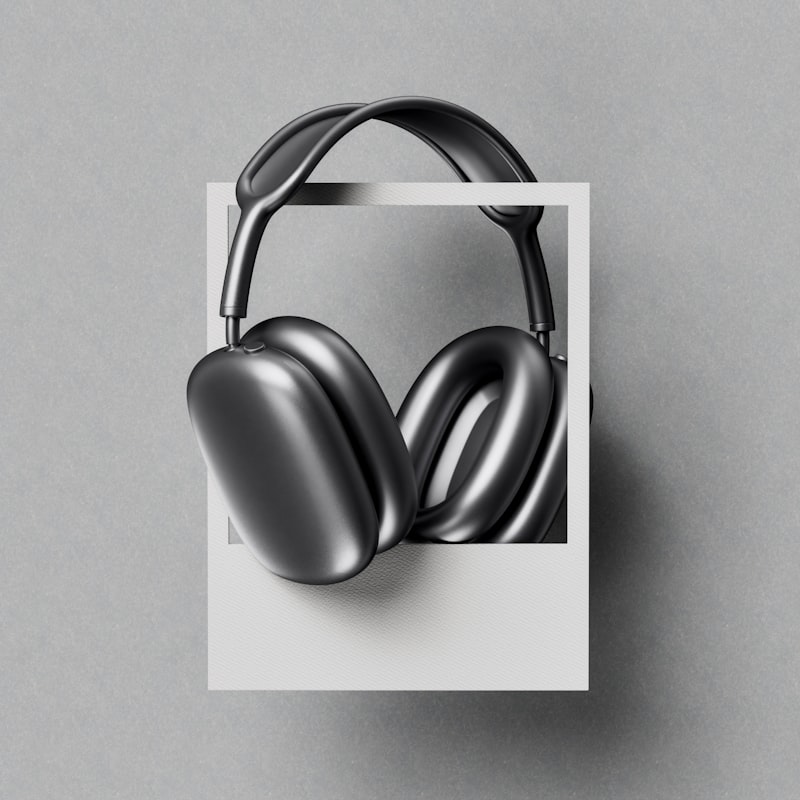
The best studio headphones under 100 dollars cover the two jobs a home recordist needs: clean, isolating tracking headphones to record against a microphone, and reasonably neutral cans for editing and mix checks. This bracket is full of genuinely good options. Below are the buying criteria, then our research-based picks of trusted, widely respected models.
Violet Recording is reader-supported — we may earn a commission from links on this page, at no extra cost to you.
These recommendations reflect editorial research and each product’s established reputation, not fabricated test claims or prices.
Open-back vs closed-back: pick the right tool
This is the first decision. Closed-back headphones isolate well and stop sound leaking into your mic, so they are right for tracking vocals and instruments. Open-back headphones sound more natural and spacious, which suits mixing and listening, but they leak and offer little isolation. Many home studios own one of each. For the full breakdown, read open-back vs closed-back headphones.
How to choose studio headphones under $100
- Purpose: Tracking calls for closed-back isolation; mixing favours flatter, often open-back cans.
- Tonal balance: For mix decisions you want a relatively neutral response. See what are reference headphones.
- Comfort: If you record or edit for hours, pad material and clamp force matter.
- Impedance: Lower-impedance models are easy to drive from interfaces and laptops; very high-impedance models want one of the best headphone amps.
- Build and parts: Replaceable pads and cables extend a headphone’s life.
Compared at a glance
| Pick | Why it stands out |
|---|---|
| Audio-Technica ATH-M40x | The flatter, more affordable sibling of the M50x. |
| Sony MDR-7506 | A long-standing industry workhorse. |
| Beyerdynamic DT 770 Pro (where it fits the budget) | Famed for comfort thanks to velour pads, with strong isolation and airy detail. |
| Sennheiser HD 280 Pro | A closed-back monitoring classic with strong isolation and a fairly neutral, no-nonsense sound. |
| AKG K240 Studio | A semi-open headphone with a wide, natural sound that many like for mixing and listening at this price. |
| Samson SR850 | A budget open-back option with a surprisingly spacious sound for the money, popular as an affordable second pair for… |
Full picks and details below.
The best studio headphones under $100
Audio-Technica ATH-M40x
The flatter, more affordable sibling of the M50x. Closed-back, with a relatively neutral tuning that makes it a strong do-it-all pick for both tracking and casual mix checks. Detachable cable and solid isolation.
Sony MDR-7506
A long-standing industry workhorse. Closed-back, lightweight, with a detailed (slightly bright) sound that has made it a fixture in studios and broadcast for decades. Excellent for tracking and editing.
Beyerdynamic DT 770 Pro (where it fits the budget)
Famed for comfort thanks to velour pads, with strong isolation and airy detail. A superb closed-back tracking option; choose the 32- or 80-ohm version for easy driving from a home interface.
Sennheiser HD 280 Pro
A closed-back monitoring classic with strong isolation and a fairly neutral, no-nonsense sound. A dependable, comfortable choice for tracking and general studio use.
AKG K240 Studio
A semi-open headphone with a wide, natural sound that many like for mixing and listening at this price. Because it is semi-open it leaks somewhat, so it is better for editing than for close-mic tracking.
Samson SR850
A budget open-back option with a surprisingly spacious sound for the money, popular as an affordable second pair for mix referencing. Open-back, so not for tracking.
Which one should you get?
- One pair to do everything: Audio-Technica ATH-M40x or Sony MDR-7506.
- Most comfortable for long tracking sessions: Beyerdynamic DT 770 Pro or Sennheiser HD 280 Pro.
- A second pair for mixing/listening: AKG K240 Studio or Samson SR850 (open/semi-open).
What “under $100” buys you (and what it doesn’t)
At this price you are buying a well-built, honest-sounding headphone with a known reputation, not a perfectly flat reference tool. The trade-offs are usually subtle rather than crippling. Closed-back models in this bracket tend to add a little low-mid warmth or a touch of treble lift, and bass can sound slightly bigger in your ears than it really is in the recording. None of that stops them being useful — it just means you should learn the sound of whatever pair you buy rather than trust it blindly. If even $100 is more than you want to spend, the best studio headphones under $50 cover the same tracking basics for less.
The bigger limitations to be aware of are soundstage and low-bass accuracy. Closed-back headphones place everything close to your head, so judging width, depth and reverb tails is harder than on open-back cans or monitors. And almost no headphone at this price gives you reliable sub-bass; you can hear that energy is present, but not exactly how much. That is why the standard advice is to mix mostly on one pair you trust, then cross-check the result somewhere else before you commit.
How to get more out of budget headphones
A modest pair you understand will beat an expensive pair you don’t. A few practical habits make a real difference:
- Reference often. Load two or three commercial tracks you know well in a similar style and A/B your mix against them. This teaches you where your headphones flatter or hide things.
- Check at a sensible level. Loud listening fools your ears into hearing more bass and treble. Make balance decisions at a moderate, consistent volume.
- Cross-check on something else. Play the mix back on monitors, a phone, a laptop or earbuds. If it holds up across systems, it will travel. See how the two approaches complement each other in monitors vs headphones for mixing.
- Keep the pads fresh. Worn, compressed earpads change the tonal balance and the seal, which directly affects how much bass you hear. Learning to clean and replace headphone ear pads is worth it, so seek out models with replaceable pads.
- Mind the seal when tracking. Glasses, long hair or a loose fit break the closed-back seal and let bleed reach the mic. A firm, even seal also gives the performer a more consistent monitoring level.
Common mistakes to avoid
- Buying open-back for tracking. Open and semi-open headphones leak audibly and will bleed a click track or backing into a sensitive vocal mic. Keep closed-back for recording.
- Chasing a hyped, bass-heavy sound. Consumer-tuned headphones with boosted bass are fun to listen to but flatter your mix, so you under-cook the low end. For studio work, flatter is more useful than exciting.
- Ignoring impedance. A high-impedance model run straight from a laptop or a small interface can sound quiet and lifeless. Match the impedance to what you will actually plug into, or budget for a headphone amp.
- Mixing exclusively in headphones with no cross-check. Even good headphones exaggerate detail and stereo separation. Always confirm the balance elsewhere before you call it finished.
- Mismatching the pair to the job. A single do-it-all closed-back is the smartest first buy; only add an open or semi-open pair once you specifically need wider, more natural mixing playback.
Pair good headphones with sensible mic placement and clean gain staging when tracking, and understand how headphones and speakers work together in monitors vs headphones for mixing. More options are in the studio monitors and headphones hub.
Frequently asked questions
Can I mix on headphones under $100?
Yes, within reason. Flatter closed or open-back models like the ATH-M40x, MDR-7506 or K240 are usable for mixing, especially if you learn their sound and cross-check on monitors. They are great value, just not perfectly neutral.
Should I get open-back or closed-back?
Get closed-back for tracking, because it isolates and prevents bleed into the mic. Open-back is better for mixing and listening but leaks sound. Many home studios eventually own one of each.
Do budget studio headphones need a headphone amp?
Most picks here are low-to-moderate impedance and run fine from an interface or laptop. Only high-impedance models (such as some 250-ohm versions) really need a dedicated amp to reach full volume and clarity.
Are gaming or consumer headphones good enough for recording?
They can work in a pinch, but most are tuned for excitement, with boosted bass and treble that mask problems in a mix. For tracking they may also leak or have built-in mics and processing you don’t want. A purpose-built studio pair in this budget is a better foundation.
How long should a pair of studio headphones last?
With care, many years. The parts that wear are the earpads, the cable and the headband padding — all of which are replaceable on models designed for studio use. That repairability is a big reason these established models stay in service far longer than disposable consumer headphones.
Shop related gear
Honest sound without spending much: