
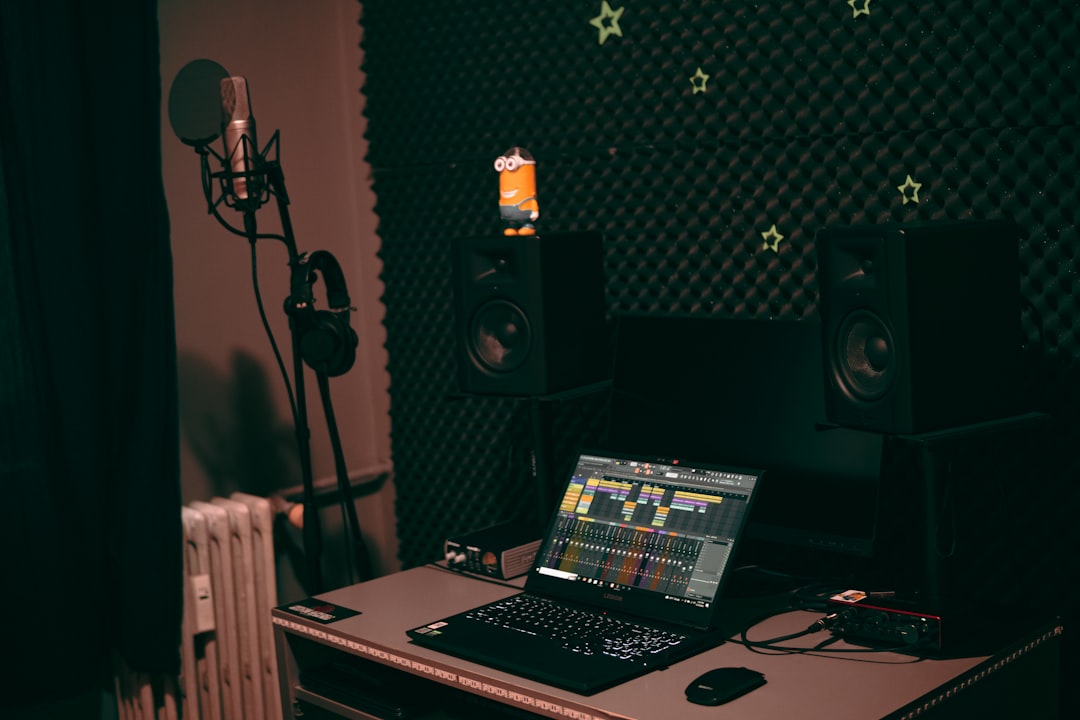
Looking for the best budget microphone for recording? You do not need to spend a fortune to get clean, usable recordings at home. A well-chosen cheap microphone paired with a decent room and good technique will get you most of the way to a professional sound — the gear gap matters far less than people think. This guide walks through how to choose a budget mic, what specs actually matter, and our recommended picks for vocals, podcasting, and instruments.
Quick answer
For most home recordists, a large-diaphragm condenser is the best first budget mic for vocals and acoustic sources, while a dynamic mic is the safer choice if your room is noisy or untreated. If you want the simplest possible setup, a USB mic skips the interface entirely. Match the mic to your source and your room, not to the price tag.
What to look for in a cheap microphone
Price aside, the same fundamentals separate a good budget mic from a frustrating one. Here is what actually moves the needle.
Connection: USB or XLR
USB mics plug straight into your computer and need no extra hardware, which makes them ideal for podcasting and first-time recordists. XLR mics need an audio interface but give you more headroom to upgrade later. If you are weighing the two, our breakdown of USB mics vs an audio interface explains the trade-offs in plain terms.
Microphone type: condenser vs dynamic
Condensers are sensitive and detailed — great for vocals and acoustic instruments in a quiet, treated space. Dynamics are tougher and reject room noise, which makes them forgiving in untreated rooms. If you are unsure which suits your setup, read condenser vs dynamic microphones before you buy.
Polar pattern
Most budget mics are cardioid, meaning they pick up sound from the front and reject the rear. That is exactly what you want for solo vocals or a single instrument. If you record in groups or want more flexibility, look at multi-pattern options, and see our guide to microphone polar patterns to understand what each one is good for.
Phantom power and extras
XLR condensers need 48V phantom power, which any modern interface supplies. Dynamic mics do not. Check whether your picks need accessories like a pop filter or a shock mount — small additions that have a big impact on the final recording.
How to choose the right budget microphone for your needs
Start with the source you record most, then work backwards.
- Vocals and rap: a large-diaphragm condenser in a treated space, or a dynamic if the room is live or noisy.
- Podcasting and voiceover: a broadcast-style dynamic or a quality USB mic for the simplest workflow.
- Acoustic guitar and overheads: a small-diaphragm condenser captures transients and detail well.
- Electric guitar amps and drums: a rugged dynamic that handles high sound-pressure levels.
Whatever you pick, your room matters as much as the mic. Even basic acoustic treatment will do more for a budget recording than spending an extra hundred on the mic itself.
Compared at a glance
| Pick | Why it stands out |
|---|---|
| Samson Q2U | The Samson Q2U is a dynamic mic with both USB and XLR outputs, which makes it one of the most flexible budget… |
| Audio-Technica AT2020 | The AT2020 is a large-diaphragm cardioid condenser that has become a default recommendation for first-time home… |
| Shure SM58 | The SM58 is a cardioid dynamic that has been a stage and studio staple for decades, and it’s hard to beat for the money. |
| Behringer C-2 (matched pair) | The Behringer C-2 is a small-diaphragm cardioid condenser sold as a matched pair, which makes affordable stereo… |
| Audio-Technica ATR2100x | The ATR2100x is a dynamic mic with both USB and XLR connections plus a built-in headphone jack for zero-latency… |
| FIFINE K669B | An ultra-cheap USB condenser for voice chat, demos and first recordings in a quiet room… |
Full picks and details below.
The best budget microphones for recording: affordable picks that punch above their price
Here are our recommended picks across the most common use cases. Each one is chosen to deliver clean, reliable results without overspending.
Best budget USB microphone for podcasting
The easiest entry point for anyone who wants to plug in and record without an interface. Ideal for podcasts, voiceover, and streaming where convenience beats maximum flexibility.
Samson Q2U
The Samson Q2U is a dynamic mic with both USB and XLR outputs, which makes it one of the most flexible budget choices around. You can plug it straight into a laptop today and move it onto an audio interface later without buying a new mic, and its dynamic capsule keeps room noise out of podcast and voiceover takes. It’s a widely recommended first mic for spoken-word creators who want a simple, forgiving setup.
Best budget large-diaphragm condenser for vocals
The workhorse choice for home vocal recording. Pairs detail and warmth with a price that leaves room in the budget for a stand and a pop filter.
Audio-Technica AT2020
The AT2020 is a large-diaphragm cardioid condenser that has become a default recommendation for first-time home vocalists. It delivers a clean, detailed sound that flatters most voices and acoustic sources, and it needs only a basic interface with 48V phantom power to run. It’s a popular pick for recordists building their first XLR signal chain on a budget.
Best budget dynamic microphone for untreated rooms
If your space is noisy or reflective, a dynamic mic rejects the worst of it. A strong choice for vocals, voiceover, and loud sources alike.
Shure SM58
The SM58 is a cardioid dynamic that has been a stage and studio staple for decades, and it’s hard to beat for the money. Its tight pattern and low sensitivity shrug off room reflections and background noise, making it a forgiving choice in untreated bedrooms, while its rugged build survives heavy use. It’s a long-standing favourite for vocals, voiceover, and loud sources where reliability matters.
Best budget small-diaphragm condenser for instruments
The pick for acoustic guitar, drum overheads, and anything where capturing fast transients and natural detail is the priority.
Behringer C-2 (matched pair)
The Behringer C-2 is a small-diaphragm cardioid condenser sold as a matched pair, which makes affordable stereo recording genuinely accessible. The fast, accurate capsules suit acoustic guitar, drum overheads, and ensemble work where transient detail matters, and the pair lets you experiment with stereo techniques on a tight budget. It’s a popular starting point for recordists capturing acoustic instruments at home.
Best all-rounder under budget
For recordists who want one mic that does a bit of everything competently rather than excelling at a single source.
Audio-Technica ATR2100x
The ATR2100x is a dynamic mic with both USB and XLR connections plus a built-in headphone jack for zero-latency monitoring. That dual output makes it a versatile all-rounder: it handles vocals, podcasting, and voiceover competently, rejects room noise thanks to its cardioid dynamic capsule, and gives you an upgrade path to an interface later. It’s a widely recommended choice for recordists who want one flexible mic to cover several jobs.
Best budget microphone by price band
“Budget” means different things to different people, so it helps to know what each price band realistically buys. The best cheap mic for recording is usually the one that fits your source and room, not the one at the top of your limit.
Under $50: ultra-cheap USB mics
At the very bottom of the market you will mostly find USB condenser mics with a fixed cardioid pattern and a basic desk stand. They are perfectly usable for voice chat, demos, online lessons and first podcast episodes, as long as you record in a quiet room and sit close. Expect a brighter, thinner sound than the picks above and less control over gain.
FIFINE K669B
The FIFINE K669B is a plug-and-play USB condenser with a sturdy metal body and a simple volume knob, and it is one of the most common answers to “what is a cheap microphone that actually works?”. It suits spoken word, streaming starts and songwriting sketches in a quiet space. Because it is a condenser, it hears a lot of the room, so pair it with a pop filter and keep it close to your mouth.
Under $100: the sweet spot for most home recordists
This is where the Samson Q2U, Audio-Technica ATR2100x and Shure SM58 live, and it is where most people should start. You get proper build quality, dynamic capsules that reject room noise, and in the case of the hybrid USB/XLR mics, an upgrade path that does not leave you stranded when you buy an interface. Our list of the best microphones under $100 covers more options in this band.
Under $150: entry-level studio condensers
Stretching a little further buys a large-diaphragm condenser like the AT2020, which captures more detail and air on vocals and acoustic instruments. The catch is that you also need an XLR budget audio interface with phantom power and a reasonably quiet room. If a condenser is what you want, our dedicated guide to the best budget condenser microphones goes deeper.
Where to spend the leftover money
Whatever band you land in, a few small accessories often improve a cheap microphone more than a pricier capsule would:
- A pop filter to tame plosives on vocals and voiceover — see our picks for the best pop filters.
- A boom arm or solid stand so the mic sits at the right height and distance every time — browse the best mic boom arms.
- Basic room treatment such as a few absorbent panels or heavy soft furnishings behind and beside you.
Still unsure whether to save up instead? Our breakdown of how much a good microphone costs and whether expensive microphones are worth it will help you decide where your money goes furthest.
Best inexpensive microphone for gaming, calls and PC use
If the mic is mainly for gaming, streaming or video calls rather than music, the priorities shift: plug-and-play USB, a dynamic capsule that ignores keyboard and fan noise, and a headphone jack for monitoring. That is why the Samson Q2U and Audio-Technica ATR2100x above double as excellent inexpensive gaming mics — both connect over USB today and XLR later. Budget condenser USB mics sound brighter but pick up much more of the room, so they suit a quiet space better than a loud gaming setup.
For picks built specifically around voice chat and streaming, see our guide to the best microphone for gaming.
Getting the most from a cheap microphone
A budget mic will outperform its price if you treat the fundamentals seriously. Set sensible recording levels — our guide to gain staging covers how to avoid clipping and noise. Mind your distance and angle to the mic, control reflections in the room, and use a pop filter on vocals. Good technique closes most of the gap between cheap and expensive gear. If vocals are your focus, our walkthrough on how to record vocals at home ties all of this together.
For more options, comparisons, and accessory guides, browse the full microphones category.
Ready to spend more? If you record mainly on a phone and want an all-in-one that skips the audio interface entirely, our hands-on Audigo review covers a premium option that records studio-quality audio to the mic itself.
Frequently asked questions
Can a cheap microphone sound professional?
Yes. A modern budget mic is capable of broadcast-quality results when paired with a quiet, treated room and good mic technique. Most of what people hear as “amateur” comes from the room, levels, and placement — not the price of the microphone.
Should I get a USB or XLR microphone on a budget?
Choose USB if you want the simplest possible setup with no extra hardware, which suits podcasting and first recordings. Choose XLR if you plan to grow your setup, since it lets you add better mics and processing through an audio interface later without replacing everything.
Do budget condenser mics need phantom power?
Yes. Any XLR condenser microphone needs 48V phantom power to operate, which is supplied by your audio interface or mixer. USB condensers draw power over the USB connection instead, and dynamic mics do not need phantom power at all.
What is the best cheap mic for recording vocals?
For most people the best cheap mic for recording vocals is a large-diaphragm condenser like the Audio-Technica AT2020 if your room is quiet, or a dynamic like the Shure SM58 if it is noisy or untreated. Both reward good placement, a pop filter and sensible gain far more than they punish their low price.
What is the best budget microphone under $100?
Under $100, a hybrid USB/XLR dynamic such as the Samson Q2U or Audio-Technica ATR2100x is the most flexible budget microphone, because it works straight into a computer today and moves onto an audio interface later. If you only ever record loud sources or sing live too, the Shure SM58 is the durable alternative.



