If you’re asking do you need a producer or engineer, here’s the short answer: a producer shapes the creative direction of your song, while an engineer captures and treats the sound technically. Many projects need both at different stages, some only need one, and a few well-prepared artists need neither. Which applies to you depends on how finished your songs already are and how confident you feel steering the recording yourself.
The confusion is understandable — on smaller projects the same person often wears both hats, and the titles get used loosely. So before you spend money, it helps to know exactly what each role is responsible for.
What a Producer Actually Does
A producer is responsible for how the finished record sounds as a piece of music. They make creative and arrangement decisions: tempo and key, song structure, which parts stay and which get cut, the overall vibe, and often the choice of instruments and sounds. A strong producer will push a verse to be tighter, suggest a different chord under the chorus, or tell you the bridge is dragging. They manage the session emotionally and creatively, and they’re the person whose taste shapes the final direction.
Producers vary enormously. Some write and program entire beats from scratch; some only refine what the artist brings. In hip-hop and pop the producer may build the track. In a band setting the producer is closer to a creative director who gets the best performance out of the room.
What an Engineer Actually Does
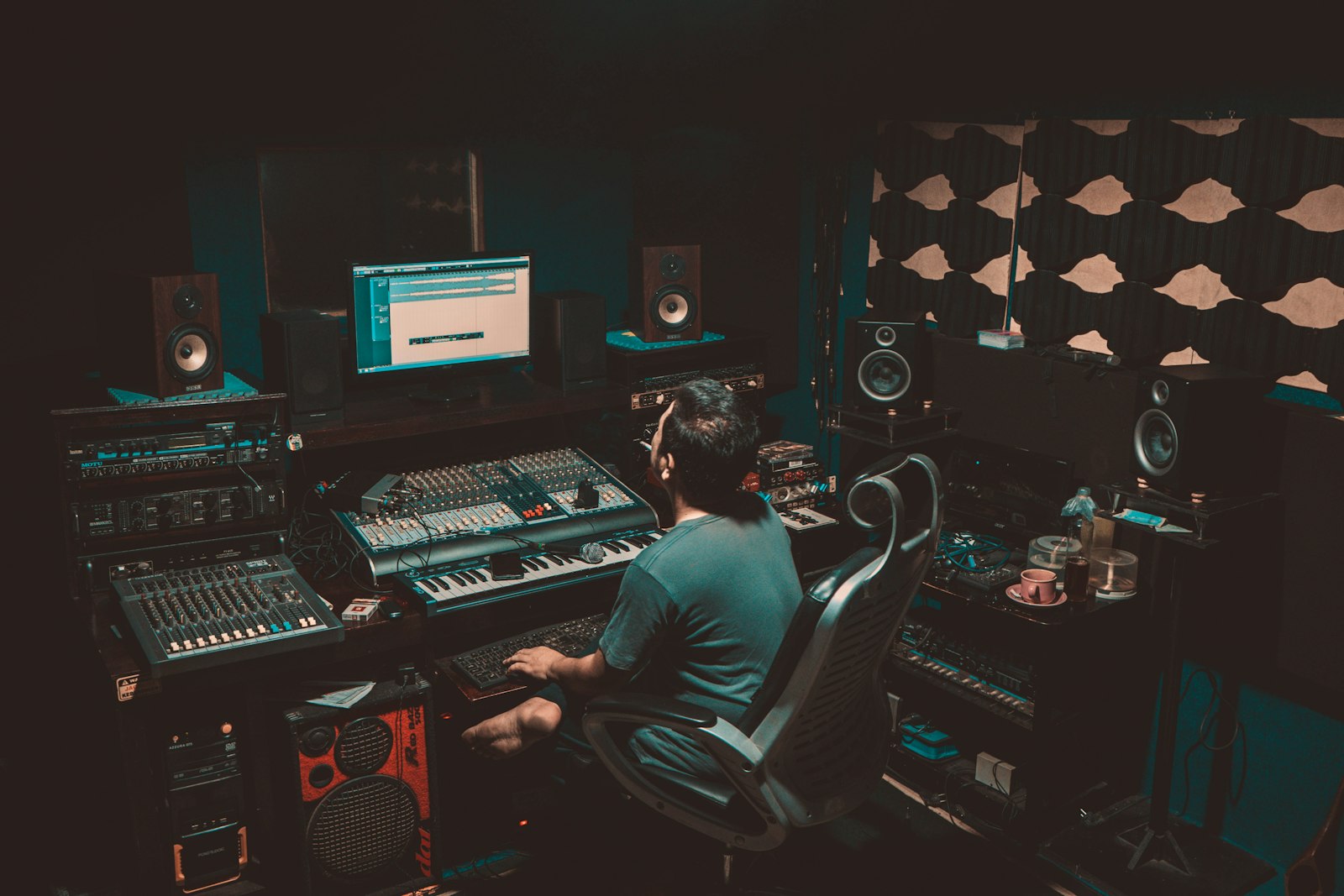
An engineer is responsible for the technical quality of the sound. The recording (or tracking) engineer sets up microphones, sets levels, manages the signal chain, and captures clean, usable takes. The mixing engineer then balances those recorded tracks — volume, panning, EQ, compression, effects — so everything sits together. A mastering engineer does the final polish so the track is loud, consistent and ready for streaming.
The engineer’s job is execution, not creative direction. A great engineer makes sure your performance is captured faithfully and translates well to every set of speakers. If you want to understand the distinction in more depth, our breakdown of producer vs engineer covers it side by side.
How the Two Roles Overlap
In practice the line blurs constantly. On a home or budget project, one person often produces, records and mixes the whole thing. Many producers are also competent engineers, and many engineers develop strong production instincts after years in the chair. A mixing engineer who suggests muting a guitar part is straying into production; a producer who reaches for a compressor is doing engineering.
This overlap is why job titles alone won’t tell you what you need. Focus instead on the gaps in your own project — what’s missing or what you can’t do well yourself.
When You Need a Producer
You probably need a producer if any of these are true:
- Your songs feel unfinished, or you can’t tell why they aren’t landing.
- You have ideas but struggle to arrange them into a cohesive track.
- You want a specific sound or genre and need someone who knows how to get there.
- You perform better with someone guiding the session and making the hard calls.
If you’re chasing a particular style, look for a producer with a catalog in that lane rather than a generalist — our guide on how to hire a music producer walks through vetting their work and agreeing terms.
When You Need an Engineer
You probably need an engineer if your songs are already written and arranged but you want them to sound professional. If you’re tracking at home and your recordings sound thin or muddy, a tracking engineer (and a better room) will help more than a producer. If your demos are solid but your mixes don’t translate to other systems, you need a mixing engineer, not a creative overhaul — here’s how to find a mixing engineer who suits your genre. Online services have made this easier than ever — our list of the best online mastering services shows how far you can get without a local studio.
When You Need Both — or Neither
Bigger or more ambitious projects usually benefit from both: a producer to shape the songs and an engineer (or several) to capture and finish them. That’s the traditional studio model. You might need neither if you’re a confident self-producer who writes, arranges and mixes your own work — plenty of bedroom artists release polished records entirely solo. If you’re learning the mixing side yourself, our beginner’s guide to mixing your first song is a good place to start, alongside a sensible home studio setup.
Not sure which way to go? Our free get matched with a producer or engineer service connects you with the right fit based on your genre, budget and goals.
Common Mistakes When Deciding
A few patterns come up again and again with artists booking help for the first time, and they’re all avoidable:
- Hiring a producer to fix a mixing problem. If the songs are good but the recordings sound amateur, paying for creative direction won’t solve it. Diagnose the gap first: is it the song, or the sound?
- Booking studio time before the songs are ready. Rewriting a chorus on the clock is the most expensive way to write. Demo everything at home first, even roughly, so paid hours go into performance and capture.
- Choosing on price alone. A cheaper engineer who doesn’t know your genre often costs more in revisions than a mid-priced one who does. Listen to their previous work in your style before anything else.
- Skipping the paperwork. Agree in writing what’s included — number of songs, revision rounds, who owns the files and any splits or points — before the first session, not after a disagreement.
Questions to Ask Before You Book
Whichever role you’re hiring, a short conversation up front tells you most of what you need to know. Ask to hear two or three finished tracks in your genre, and ask what their specific contribution was on each — “I produced and mixed it” means something very different from “I mastered the final file.” Ask how many revision rounds are included and what happens if you’re still not happy after them. Ask about turnaround time in normal weeks, not best-case weeks. And ask how they prefer to receive your files or demos; someone with a clear, organised intake process usually runs their sessions the same way. If the answers are vague or the vibe feels off, keep looking — the working relationship matters as much as the credits.
Frequently Asked Questions
Can one person be both my producer and engineer?
Yes, and it’s common on smaller projects. A producer-engineer can save money and keep the creative and technical vision unified. The trade-off is that wearing both hats at once can split their focus, so it works best on simpler productions.
How much does it cost to hire a producer or engineer?
Rates vary widely by location, experience, room and genre. As rough, US-leaning estimates: budget or home-based work can be quite affordable per song or per hour, mid-tier professionals charge meaningfully more, and top-tier names command premium day rates or points on the project. Always treat any figure as an estimate and get a clear quote up front.
Do I need a producer if I already have good songs?
Not necessarily. If your songs are well-written and arranged and you just want them to sound polished, an engineer may be all you need. A producer adds the most value when the creative direction or arrangement still needs work.
Should I hire a producer or an engineer first?
If you’re hiring both, the producer typically comes first, because their arrangement and direction decisions change what the engineer records. If budget forces a choice, hire for your weakest link: producer if the songs need work, engineer if the songs are strong but the sound isn’t there yet.
Whichever you land on, we can match you with a vetted partner: online music production for producers, or online mixing & mastering for engineers.