Your first recording studio session usually follows a predictable rhythm: you arrive and load in, the engineer sets up mics and gets levels, you track your parts, and you leave with rough recordings to listen back to. There’s nothing mysterious about it — most of the day is patient, methodical work, and a good engineer will guide you through every step. Knowing the shape of the day ahead of time takes most of the nerves out of it.
Below is a walk-through of how a typical session unfolds, what’s expected of you, and what you’ll actually walk out with.
Try the free Online Equalizer →
Arriving and loading in
Get there a little early. You’ll usually load in your instruments, amps, and anything you’re bringing, then have a quick chat with the engineer about the plan for the day — how many songs, what order, and what you’re hoping to achieve. This is the moment to share reference tracks and be honest about your experience level. Engineers expect first-timers and would much rather you ask questions than guess. If you booked through a matching service, you’ll likely have already covered some of this; if you’re still choosing where to record, our free service that matches you with a studio or engineer can line you up with someone who suits your genre and budget.
Setup and getting sounds
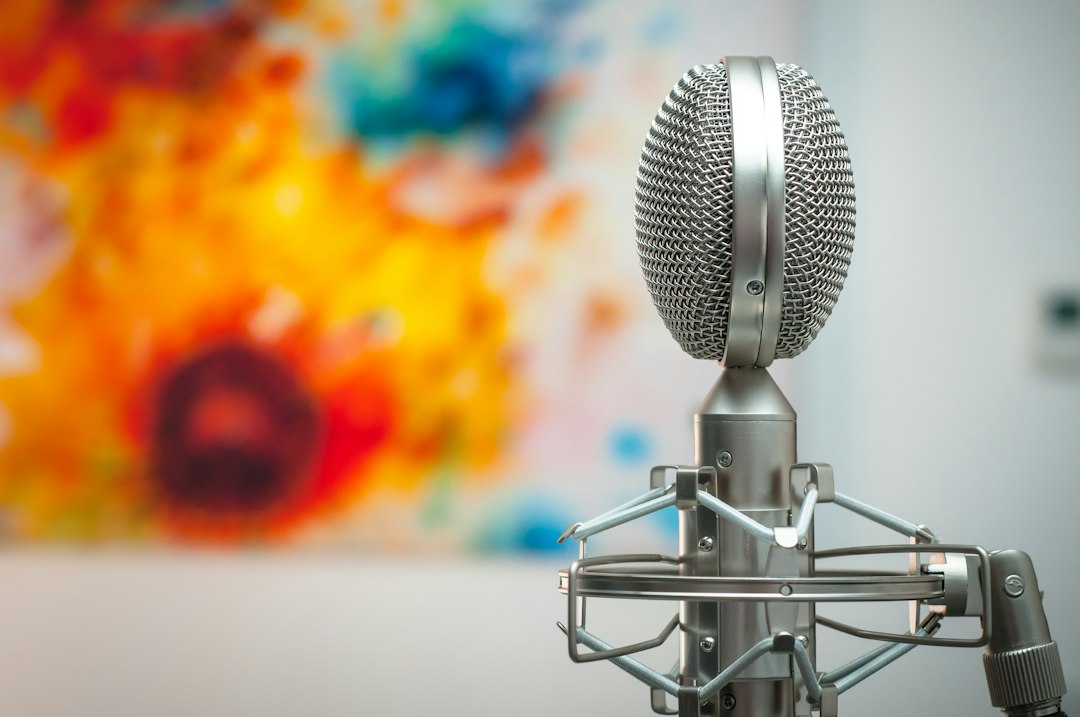
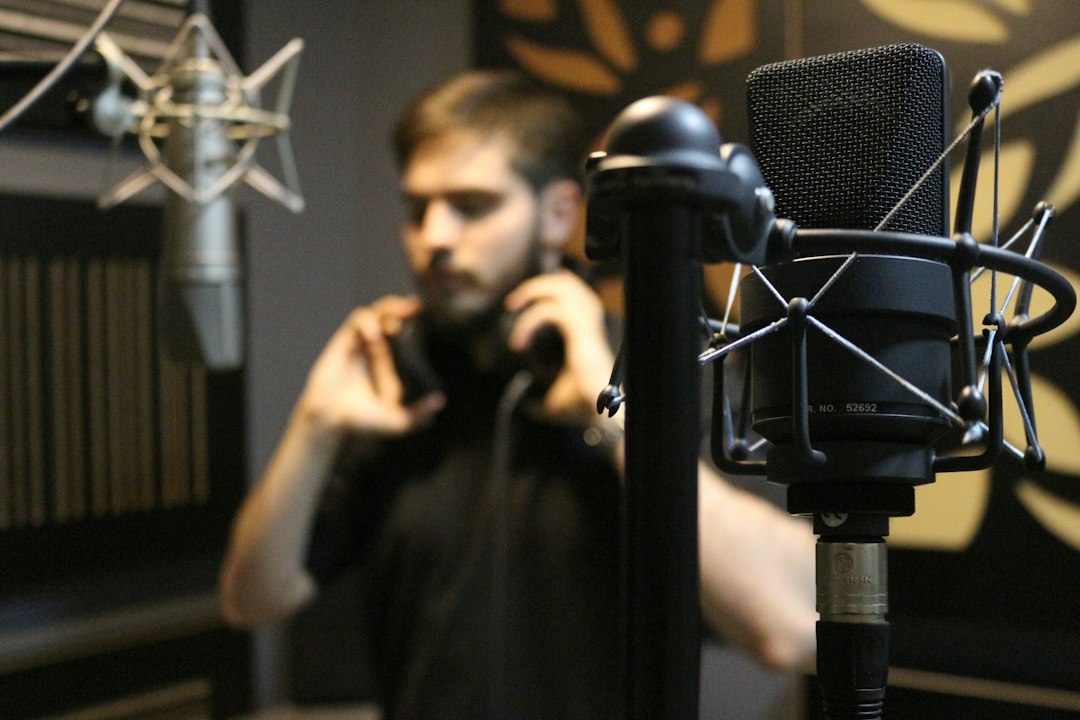
The first chunk of paid time goes to setup. The engineer places microphones, runs cables, sets up your headphone mix, and dials in levels so nothing clips. For a band, this means mic’ing the drum kit, amps, and any acoustic sources — drums alone can take a while. For a solo vocalist or producer, it’s faster.
This stage can feel slow, but it’s where the quality of your recording is decided. The roles can vary from studio to studio; if you’re unsure who does what, our explainer on producer vs engineer clears it up. While the engineer works, get comfortable, tune up, and warm up.
Tracking your parts
Tracking is the actual recording. You’ll usually start with a guide or scratch take to lock in tempo (often to a click track or metronome), then record proper takes part by part. Bands frequently record the rhythm section together, then layer overdubs — guitars, keys, then vocals last.
You’ll do multiple takes of most parts. This is completely normal and not a sign you’re doing badly — even seasoned pros comp the best moments from several passes. Listen back through the headphone mix, take notes with the engineer, and keep going until you’re happy. Vocals in particular often need several takes, which is one reason many artists practise at home first using the techniques in our guide to recording vocals at home. Walking in rehearsed makes everything faster, so it’s worth reading up on how to prepare for a recording session before the day.
Working with the engineer
The engineer runs the technical side, but the session is yours. Speak up about how you want things to sound, but trust their ears too — they know the room and the gear. Use clear, plain language: “warmer,” “more aggressive,” “less boomy.” If you don’t know a term, ask. A good engineer translates feelings into settings.
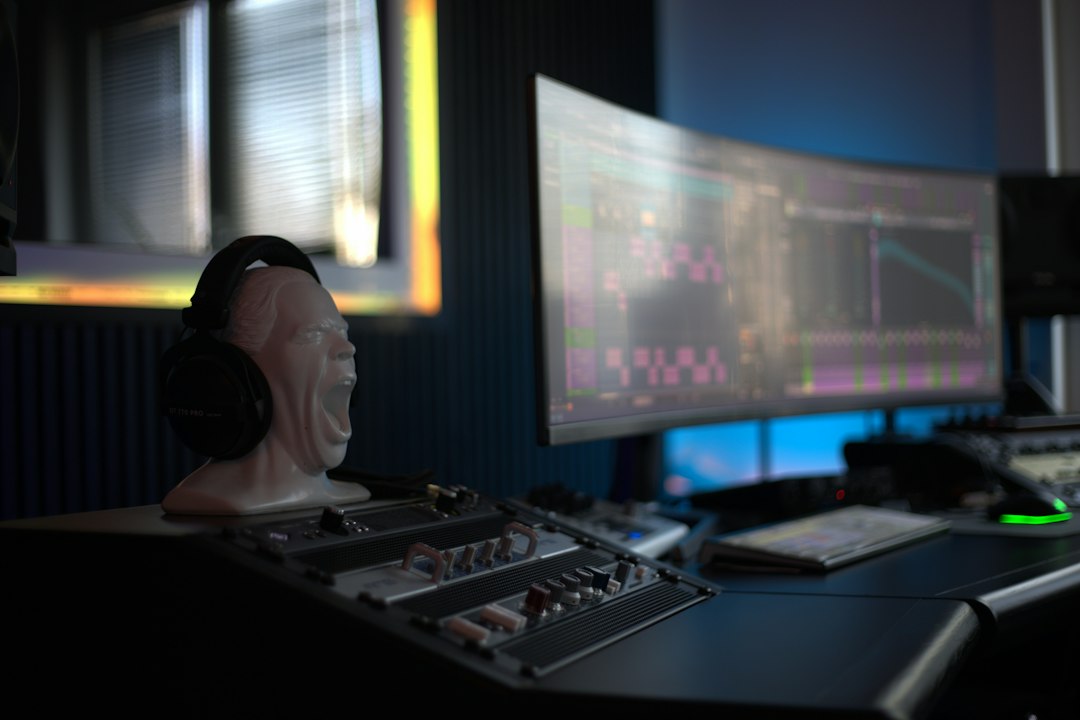
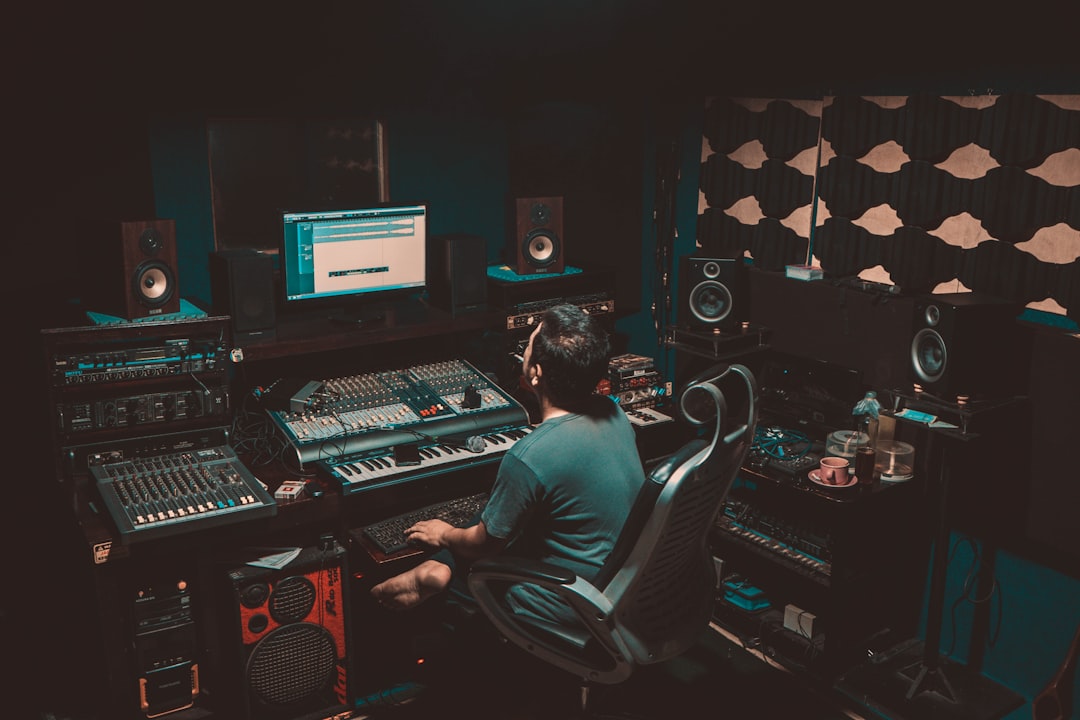
If a dedicated producer is present, they’ll focus on performance and arrangement decisions while the engineer handles capture. On smaller sessions one person often wears both hats.
Studio etiquette
A few simple habits make you the kind of artist studios love to rebook:
- Be on time and prepared. The clock is running, so arrive ready to play, with fresh strings, charged gear, and parts you actually know.
- Respect the space. Ask before touching equipment, keep drinks away from the console, and don’t bring a crowd of guests unless you’ve cleared it first.
- Stay positive and focused. Energy is contagious. Take breaks when you need them rather than grinding a take into the ground.
- Communicate about time and money. If you’re running behind, talk to the engineer about priorities rather than silently blowing past your booked hours.
What it costs and what you leave with
Rates vary widely by location, engineer, room, and genre, and the figures below are US-leaning estimates that differ internationally. Studios commonly charge either by the hour or as a flat day rate, with day rates typically working out cheaper per hour for longer sessions, as we break down in recording studio rates explained. Setup time is usually billable, so factor that in. Always confirm in advance whether mixing and mastering are included or quoted separately, because they often aren’t.
At the end of a tracking session you typically leave with rough mixes — unpolished “rough” versions so you can live with the songs — plus the understanding that the recordings still need editing, a proper mix, and finally mastering before they’re release-ready. Ask how you’ll receive your files (a download link is standard) and clarify who keeps the session files. You generally won’t walk out with a finished, streaming-ready song from a single first session, and that’s normal.
Frequently asked questions
How long should I book for my first session?
For a single song with a solo artist, a half-day is often enough to track. A full band tracking several songs usually needs a full day or more, and our guide to how long it takes to record a song gives realistic timings. When in doubt, ask the studio to estimate based on your material and book a little extra rather than rushing.
Do I need to bring my own gear?
Bring your own instruments and anything that defines your sound, plus spares like strings, picks, and cables. Most studios provide microphones, the recording rig, and often amps or a drum kit — confirm what’s supplied when you book so there are no surprises.
Will my song be finished at the end of the day?
Usually not. A tracking session captures the performances; mixing and mastering happen afterward, sometimes on separate days or with separate specialists. You’ll typically leave with rough mixes to review, not a final master.