To learn how to become a voice actor, you need to develop two things together: acting ability and a professional recording setup. Voice acting is performance first — it’s about character, emotion and taking direction — and audio quality second. Get both right and you can audition for animation, video games, commercials, audiobooks and more.
Here’s the realistic path, whether you’re aiming at animated characters or natural commercial reads.
Voice acting vs voiceover
People use these terms loosely, but there’s a useful distinction. Plain voiceover (e-learning, corporate narration, explainers) rewards a clear, natural read. Voice acting leans into performance — creating distinct characters, emotional range and improvisation. If you’re drawn to animation and games, you’re aiming at the performance-heavy end, which means investing more in acting training.
Build your acting foundation
The best voice actors are actors who happen to work with their voice. Improv classes, on-camera or stage acting, and dedicated VO coaching all build the muscles you need: making strong choices, reacting truthfully, and sustaining a character. Practise reading scripts aloud, recording yourself, and developing range.
If you want to create distinct personalities, start with our guide on how to do character voices for voice acting. Vocal health matters too — learn to warm up your voice before recording so long sessions don’t wreck you.
Set up a home studio
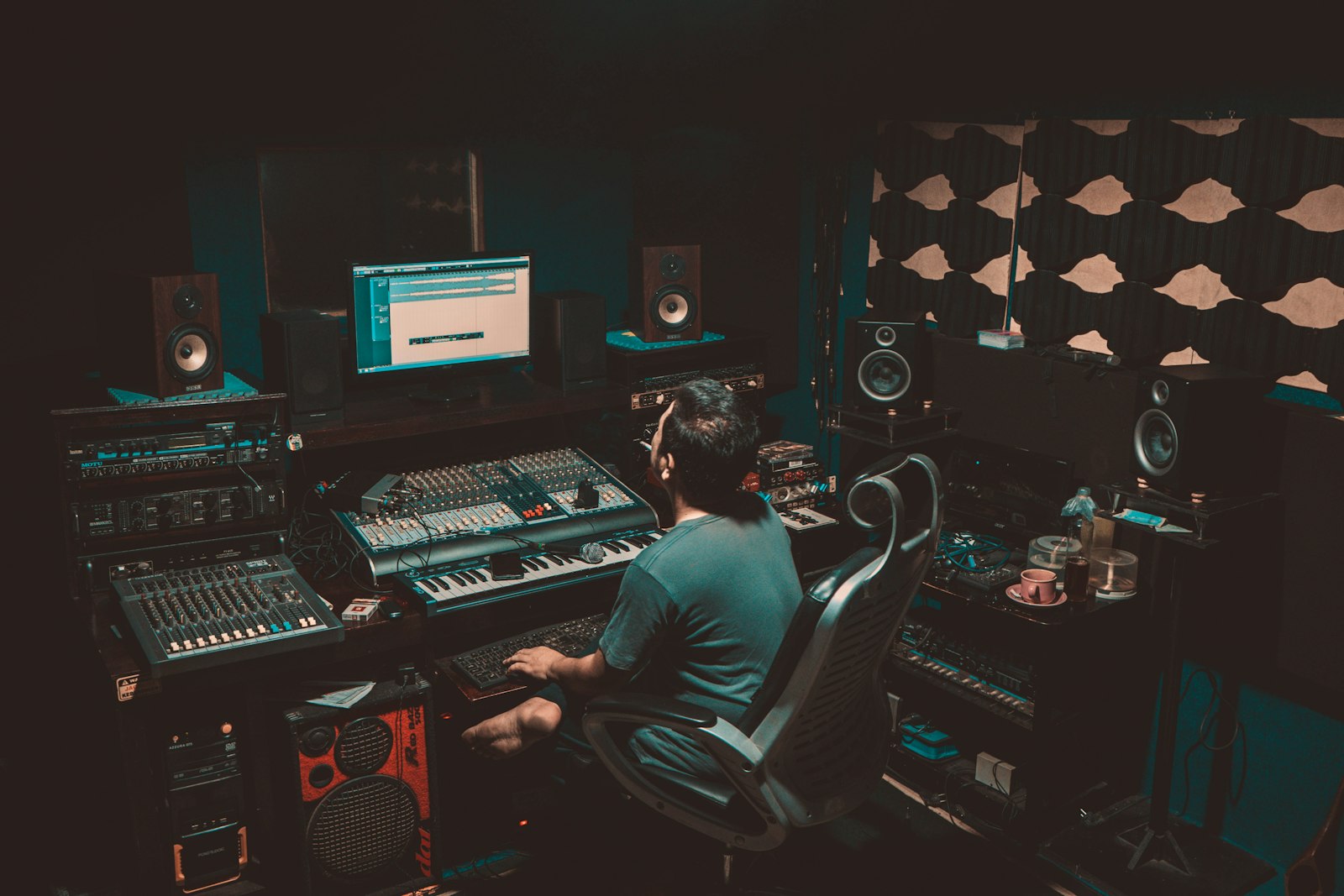
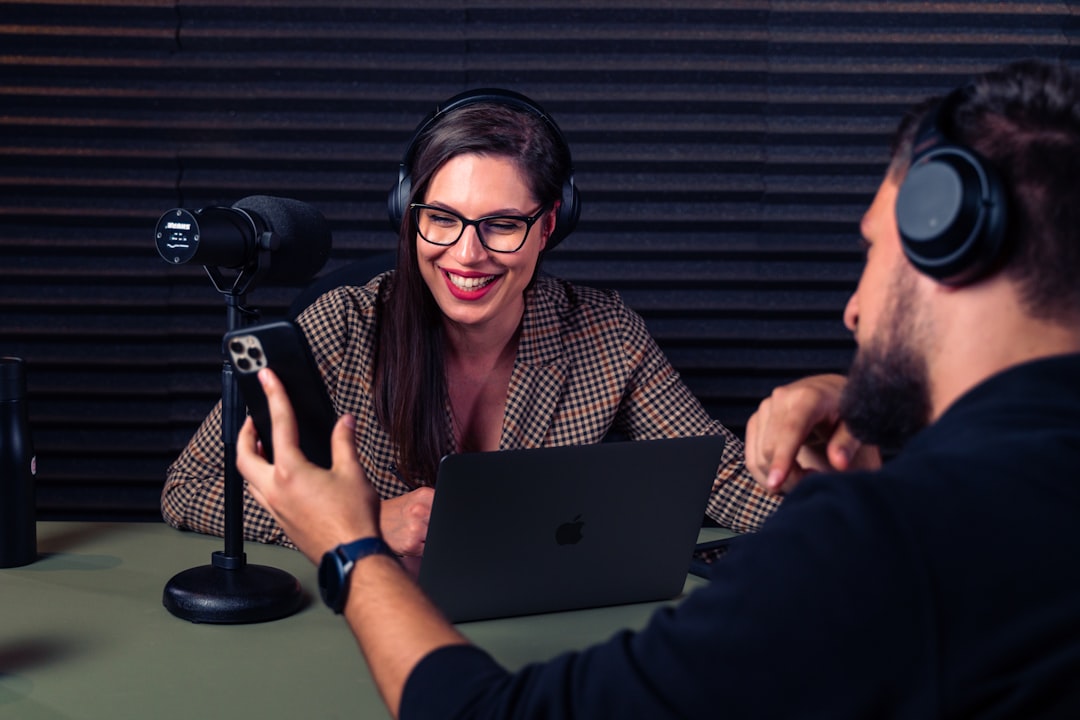
Casting today happens largely from home, so you need to deliver clean, professional audio. The essentials:
- A capable microphone — read condenser vs dynamic microphones to pick the right type for your voice and room.
- An audio interface and closed-back headphones for monitoring.
- A treated, quiet space. A small enclosure tames reflections — see how to build a home voiceover booth.
Free DAWs are more than enough to record and edit; browse the best free DAWs for beginners if you’re starting fresh.
What casting directors actually listen for
It’s easy to assume the job is about having an unusually deep or distinctive voice. In reality, casting directors are listening for something less glamorous: can you take a direction and apply it instantly? A typical session might involve being asked for the same line “warmer”, then “faster, with a smile”, then “flatter and more sincere” — and a bookable actor delivers each version cleanly without losing the meaning of the line. That adaptability is worth far more than a naturally striking timbre.
Alongside the performance, they need audio that drops straight into a project. That means a consistent level, no background hum or room echo, no mouth clicks or harsh plosives, and clean handle (a short moment of silence) at the head and tail of each take. If your reads are brilliant but your recording is noisy, you make extra work for the editor — and on a tight schedule, the clean-sounding competitor gets booked instead.
Create demos that show range
You’ll usually need separate demos for different genres — a commercial demo, a character/animation demo, maybe a narration demo. Each should be short, professionally produced and packed with your strongest, most distinct reads. Our breakdown on how to make a voiceover demo reel covers exactly how to build one.
A common beginner mistake is making a demo before the skills are there. A demo is a sample of work you can already deliver on demand, not an aspiration. Record it once you can hit a range of styles consistently, lead with your strongest few seconds, and keep every clip tight — a listener who is hooked in the first ten seconds will keep going, and one who isn’t will move on regardless of how good the later clips are.
Audition relentlessly
Once you have demos, audition through online casting marketplaces and, when you’re ready, pursue agents who represent voice talent. Self-directed work — like narrating audiobooks on ACX — is a great way to log studio hours and earn while you build credits. Treat every audition as practice; rejection is the norm, and the people who book are the ones who keep submitting clean, well-acted reads.
Read every brief carefully and match it. If a job asks for a “conversational, late-20s, no hard sell” read, don’t send your big announcer voice. Slate simply (just your name, unless instructed otherwise), deliver two contrasting takes when the brief allows it, and submit promptly — many roles are cast quickly, so a same-day audition often beats a slightly better one that arrives two days later.
Common mistakes to avoid
A few habits sink more beginners than a lack of talent ever does:
- Skipping acting training and treating it as purely a “nice voice” job. The performance is the product.
- Over-processing your audio. Heavy compression, noise reduction and EQ to mask a noisy room usually sound worse than a quieter, untreated-but-clean take. Fix the room first.
- Reading at the script instead of to a listener. Picture one specific person and talk to them; it instantly makes a read feel natural.
- Giving up too early. Booking rates are low for everyone at the start. Volume of well-prepared auditions, over months, is what turns the corner.
Keep growing
Voice acting careers compound. Keep training, refresh your demos as your skills grow, network within the community, and reinvest in better acoustic treatment and coaching. Reliability and professionalism keep clients coming back as much as talent does — and if you’re wondering what the payoff looks like, see how much voice actors make.
Frequently asked questions
Do I need formal training to become a voice actor?
Not formally certified, but training matters. Acting and VO coaching teach you to take direction and make strong performance choices — the things casting directors actually hire for. Self-teaching is possible, but coaching usually accelerates progress.
Can I become a voice actor with no experience?
Yes, everyone starts somewhere. Begin with acting and VO practice, build a home setup, produce a demo, and start with accessible work like e-learning or audiobook narration to gain credits and confidence.
What’s the difference between a voice actor and a voiceover artist?
They overlap heavily. “Voiceover artist” often implies straightforward narration and commercial reads, while “voice actor” emphasises character work and performance for animation, games and dramatic content. Many people do both.
How long does it take to start booking work?
There’s no fixed timeline, but it’s usually measured in months to a couple of years of steady effort, not weeks. The people who progress fastest tend to combine regular coaching, a treated recording space, and a high volume of auditions rather than relying on any one of those alone.