Learning how to record a solo podcast is less about gear and more about performance. With no co-host to bounce off, you carry the energy, the pacing and the structure on your own. The good news: solo shows are the easiest to schedule, the cheapest to produce, and once you find your rhythm, the most consistent to publish.
Here’s how to record a solo episode that sounds engaging rather than like someone reading to an empty room.
Plan more than you think you need
Solo episodes wander without a plan, because there’s no one to pull you back on topic. You don’t need a word-for-word script, but you do need a roadmap: a hook, three or four main points, and a clear ending with a call to action. Some people script tightly; others use bullet points. Find out which keeps you natural by reading our guides to writing a podcast script and structuring a podcast episode.
Bring energy to the mic
The biggest trap of solo recording is sounding flat. Without a conversation partner, your voice naturally drops in energy. Counter it:
- Picture one listener. Talk to a single person, not “everyone.” It makes your delivery conversational.
- Smile and gesture. Both come through in your voice, even though nobody can see you.
- Stand up if it helps. Many hosts find they sound more alert standing.
- Warm up first. A few minutes of vocal warm-ups loosens you up; see our piece on warming up your voice before recording.
Get your mic technique right
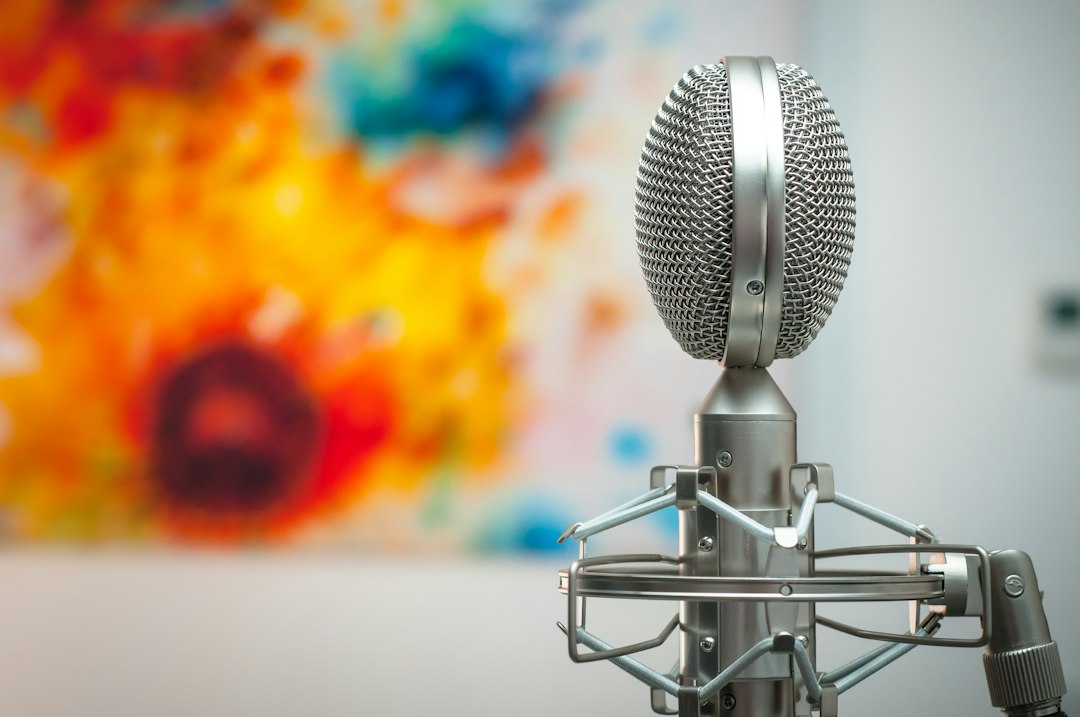
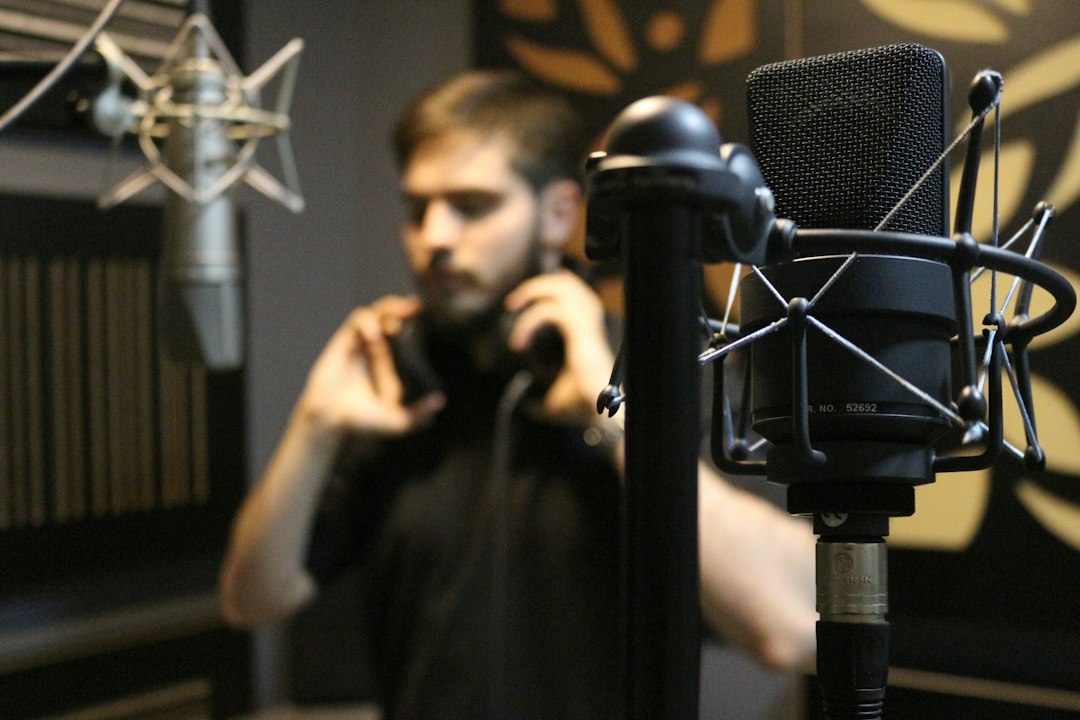
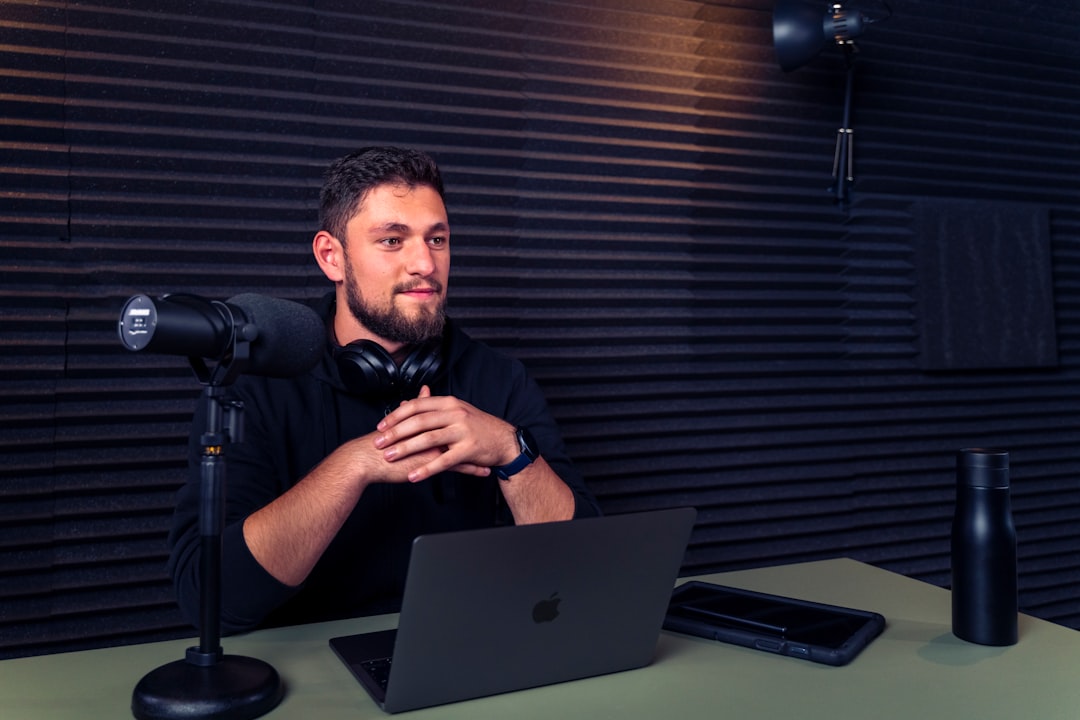
Solo recording lives or dies on consistent mic placement, since it’s just your voice the whole time. Keep a steady distance — roughly a hand’s width — and stay slightly off-axis to reduce plosives. Use a pop filter, monitor on headphones, and watch your levels so you’re not clipping or too quiet. Our guide on sounding better on a podcast microphone covers distance, proximity effect and breath control in detail.
If you record on a Mac, our guide on how to record a podcast in GarageBand shows how to set up a simple solo session for free.
Record in chunks you can edit
Talking alone for 30 minutes straight is hard. Record in sections, pausing between segments. If you stumble, don’t stop — pause, clap or say “edit,” then restart the sentence. That clap gives you a visible marker in the waveform when editing. Recording in chunks also makes it easy to batch record several episodes in one sitting, which is a huge time-saver for solo creators.
Set up a room that works for one voice
Because a solo show is wall-to-wall with a single voice, any room problem is exposed for the whole episode — there’s no second speaker or background chatter to mask it. You don’t need a treated studio, but you do need a space that doesn’t fight you. Record in the smallest, softest room you have access to: soft furnishings, curtains, a wardrobe full of clothes and a rug all absorb reflections that otherwise make you sound boxy or distant. Avoid bare kitchens and bathrooms, point the back of a directional microphone towards the noisiest wall, and switch off fans, air conditioning and anything that hums before you hit record. Getting the room right at the source saves you hours of trying to remove background noise from thin, echoey audio later.
Build a repeatable solo workflow
The real advantage of recording alone is that every session is identical, so you can turn it into a checklist and stop reinventing the wheel each week. A simple routine keeps quality consistent and removes the friction that makes solo creators quietly give up:
- Prep the outline the day before, while the idea is fresh, rather than staring at a blank page at the mic.
- Run a 20-second test recording and actually listen back — check levels, plosives and room noise before you commit to a full take.
- Record a clean room tone of 10–15 seconds of silence; it gives your editor natural-sounding gaps to patch with later.
- Keep your settings the same session to session, so episodes match and editing decisions carry over.
Edit to keep the pace tight
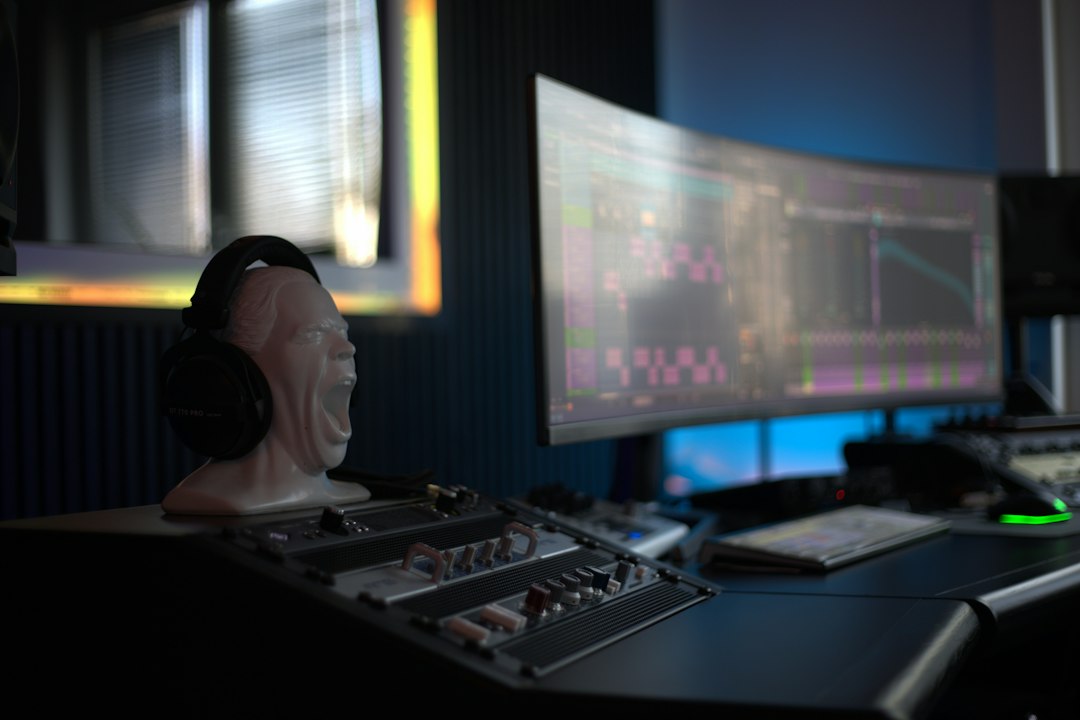
Solo audio benefits enormously from editing. Cut long pauses, “um”s and false starts so the episode feels deliberate and energetic. Don’t over-edit to the point it sounds robotic, but tightening dead air keeps listeners with you. Our guide to editing a podcast walks through a simple workflow. Finish by leveling the volume so your loudness is consistent from start to finish.
Common solo recording mistakes
Most solo episodes that fall flat share the same handful of avoidable errors. Knowing them in advance is the quickest way to lift your quality:
- Letting energy sag mid-episode. Concentration drops after ten minutes; build in a short break or a sip of water between segments to reset.
- Drifting off the outline. Without a co-host to interrupt, a single tangent can swallow five minutes. Glance at your roadmap between points.
- Inconsistent mic distance. Leaning in and out changes your tone and volume constantly; mark your position so you return to the same spot.
- Recording one giant take. A single mistake near the end of a long take is demoralising. Chunked recording protects you from having to redo everything.
- Skipping the listen-back. Five minutes of monitoring the start of a take saves you re-recording a whole episode that was clipping or muffled.
Frequently asked questions
How do I stop sounding boring when recording alone?
Talk to one imagined listener, vary your pace and pitch, and bring more energy than feels natural — solo recording flattens your delivery, so you need to overcompensate slightly. Smiling and gesturing genuinely changes how your voice sounds.
Should I script a solo podcast word for word?
It depends on your style. Full scripts keep you tight but can sound read-aloud; bullet points sound natural but risk rambling. Most solo hosts land on a detailed outline with scripted intros and outros.
How long should a solo episode be?
Long enough to cover the topic and no longer. Solo shows often run shorter than interview episodes because one voice tires listeners faster, so focus on value per minute rather than hitting a target length — our guide on how long a podcast episode should be digs into the numbers.
What is the best way to record several solo episodes at once?
Batch recording works brilliantly for solo shows because nothing about your set-up changes between episodes. Keep your outline, mic position and levels consistent, take a short break to refresh your voice between each one, and record clean room tone for every session so editing stays straightforward.