Learning how to DJ a wedding is less about flashy mixing and more about preparation, reading a mixed-age crowd, and running a smooth timeline without drama. A wedding is a one-shot event with high emotional stakes, so reliability and people skills matter as much as your music selection. Here’s how to deliver a night the couple remembers for the right reasons.
Plan everything before the day
The single biggest difference between a good wedding DJ and a stressed one is planning. Meet (or video call) the couple well in advance and lock down the essentials:
- Must-play and do-not-play lists — the songs they love and the ones they can’t stand.
- Key moments — first dance, parent dances, cake cutting, bouquet toss, last song.
- A running timeline agreed with the couple and the venue coordinator.
- Pronunciations and announcements — names of the couple, wedding party and anyone you’ll introduce.
Build your library around their genres and generations, then prep it properly. Analyse keys and BPMs, set cues, and tag tracks so you can pull a request in seconds — exactly the workflow in our guide to organising your music library for DJing.
Structure the night like a story
A reception has a natural arc, and your job is to shape its energy from arrival to last dance. Think of the evening in distinct phases and prepare music for each one rather than treating it as a single playlist. The same set-building thinking you’d use to plan a DJ set applies here, just stretched across a longer, more emotional night.
- Arrival and dinner — low-volume background music that lets people talk. Jazz, soul, acoustic and easy classics work well here. Nobody should have to shout across a table.
- Formalities — first dance, parent dances and speeches. These are scripted moments, so cue the exact tracks the couple chose and have them ready to the second.
- Opening the floor — bridge from the first dance into something inclusive that pulls grandparents and kids up alongside the couple. Don’t go straight to peak-time club tracks.
- Peak dancing — this is where the floor-fillers earn their keep. Stack your most reliable crowd-pleasers and keep the energy high.
- Wind-down and last song — ease off the throttle and finish on the meaningful closer the couple picked.
Knowing roughly when each phase happens lets you place the right song at the right time instead of guessing on the night.
Read a multi-generational crowd
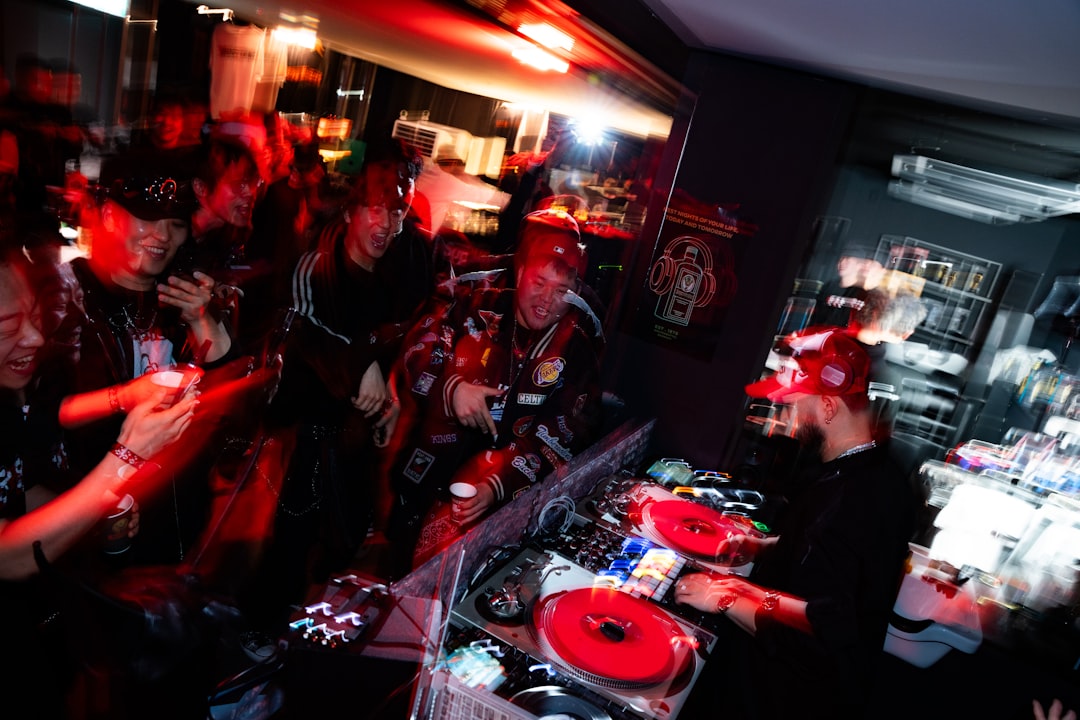
A wedding crowd spans children to grandparents, so you’re balancing tastes all night. Early on, keep things broad and inviting. As the night builds, lean into floor-fillers that pull the most people up at once. Watch the dance floor constantly and adjust — if a track empties it, mix out quickly. This is crowd-reading on hard mode; sharpen the skill with reading a crowd as a DJ.
Mixing matters less than flow
Beatmatched, club-style transitions are a bonus at a wedding, not the point. Across genres and eras you often can’t beatmatch anyway, so clean fades, well-placed echoes and good timing matter more. Don’t talk over the start of someone’s favourite song, and never crash a beloved track out mid-chorus. If you want tighter blends where the BPMs do line up, brush up on smooth DJ transitions.
You’re also the MC
At most weddings the DJ doubles as the master of ceremonies — introducing the couple, cueing speeches, and guiding guests through each moment. Speak clearly and keep announcements short. Coordinate with the photographer and venue staff so the first dance and toasts happen when everyone’s ready. Smooth, confident announcements are a huge part of why couples book and recommend you.
Gear, redundancy and the booth
A wedding cannot have dead air, so build in backups:
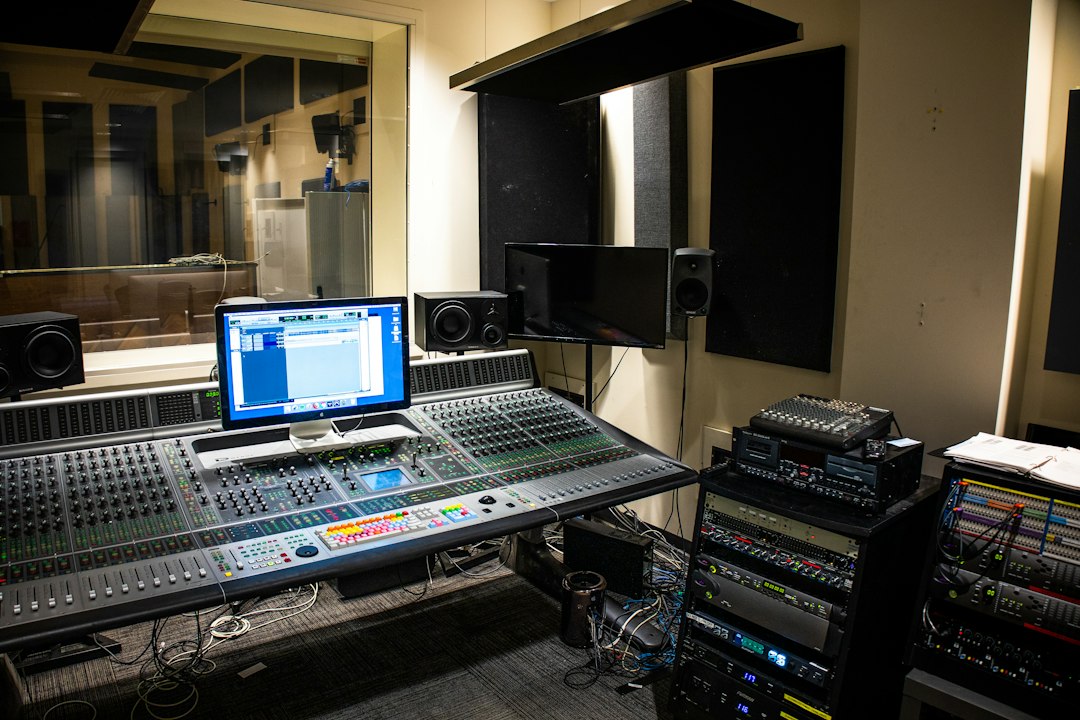
- A reliable controller (a Pioneer DJ DDJ series unit or similar) plus a fully prepped laptop, with a spare laptop or USB if you can.
- Quality speakers sized for the room, with spare cables and a backup audio source.
- A wired microphone for speeches and announcements.
- Downloaded, local copies of every track — never rely on venue Wi-Fi for streaming.
If you’re still assembling a rig, our overview of what equipment you need to DJ covers the basics, and gain-set everything cleanly so nothing clips during quiet speeches or loud peaks.
Handle requests gracefully
Guests will request songs all night. Honour the couple’s wishes first — their do-not-play list is law — then take crowd requests that fit. A polite “great choice, I’ll work it in” keeps everyone happy even when you can’t play something immediately. Wedding DJing is a real income stream and a referral engine, and the bookings it generates are some of the easiest ways to get more DJ gigs; treat every guest like a future client. For the bigger picture, see making money as a DJ.
Common wedding DJ mistakes to avoid
Most wedding DJ disasters come from a handful of avoidable errors, and many overlap with the broader DJ mistakes to avoid at any gig. Watch out for these:
- Playing for yourself, not the room. Your favourite deep cuts may clear a floor of casual guests. Read what’s actually working and follow it.
- Too much volume during dinner. If guests can’t chat comfortably, you’ve misjudged the moment. Save the loudness for the dance floor.
- No backup plan. A single failed laptop or cable can end the night. Test everything before guests arrive and keep spares within reach.
- Ignoring the timeline. Drifting off schedule throws off caterers, photographers and the couple. Stay in step with the venue coordinator.
- Over-talking on the mic. Brief, clear announcements land far better than long monologues. Say what’s needed and let the music carry the room.
Frequently asked questions
Do I need to beatmatch to DJ a wedding?
Not really. Across mixed genres and eras you often can’t beatmatch anyway. Clean fades, good timing and not interrupting beloved songs matter far more than club-style blends. Beatmatch where the BPMs line up, but never force it at the expense of flow.
What gear do I need to DJ a wedding?
A reliable controller and prepped laptop, speakers suited to the room, a wired microphone for speeches, and backups of everything — spare cables, a backup audio source, and local copies of all your tracks. Redundancy is essential because a wedding can’t have dead air.
How long does a wedding DJ usually play?
It varies, but many wedding sets run several hours across the reception and dancing. Always confirm the exact start and end times, key moments and any breaks with the couple and venue coordinator in advance, and build your timeline around their schedule.
How early should I arrive to set up?
Give yourself plenty of time before guests arrive — enough to load in, position speakers, run cables tidily, sound-check the microphone and test every track loads cleanly. Arriving early also lets you meet the venue staff and photographer so the formalities run smoothly later.