A smooth DJ transition comes down to four things working together: matched tempo, aligned phrasing, clean EQ, and well-timed faders. Nail all four and one track flows into the next so seamlessly the crowd never breaks stride. Most rough DJ transitions fail because one of those four is missing — usually EQ or phrasing.
Here is how to make transitions that sound effortless, plus the most common mistakes to avoid.
The four pillars of a smooth transition
- Tempo match: both tracks at the same BPM so the beats do not drift. See beatmatching.
- Phrase alignment: bring the new track in at the start of a musical phrase, not just any beat.
- EQ: never let two basslines play at once — swap them over with the low knob, the heart of EQ mixing.
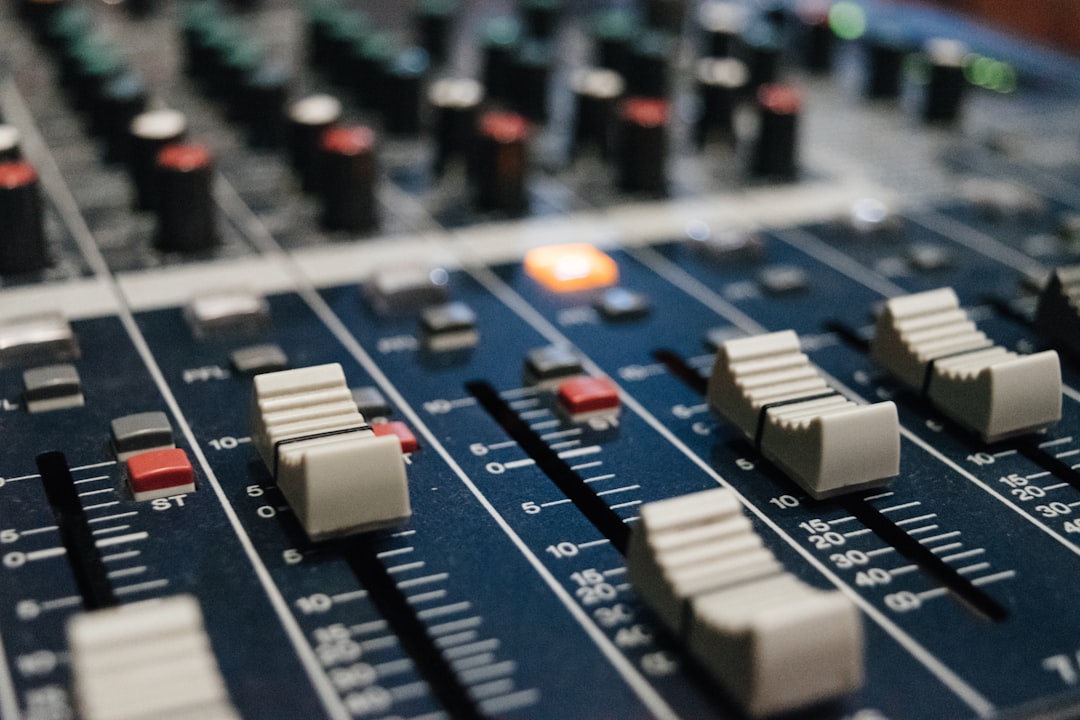
- Fader control: move volume smoothly and intentionally with the crossfader and channel faders.
Get all four right and the transition disappears, which is exactly the point.
Phrasing: the secret to smoothness
The most overlooked pillar is phrasing. Dance tracks are built in phrases — typically blocks of 8, 16 or 32 bars — and a transition only sounds musical when both tracks’ phrases line up. Bring a track in mid-phrase and even a perfect beatmatch sounds wrong, because the arrangements collide. Count phrases and bring the new track in on a downbeat at the top of a phrase. Our guide to phrase mixing covers this in depth.
A reliable smooth transition, step by step
- Match tempo and beatmatch the incoming track in your headphones.
- Cut the bass on the incoming track before you bring it in.
- Bring it in on a phrase by raising its channel fader at the start of an 8 or 16-bar section.
- Swap the bass on a downbeat — cut the low on the outgoing track, restore it on the incoming one.
- Cross the faders gradually so the new track takes over — here is how to use a crossfader with control.
- Pull the old track out once the new one is carrying the energy, and reset your EQs.
This is the EQ-swap blend, and it is the workhorse transition for most beatmatched genres. For the full mixing workflow, see how to mix two songs together.
Different transitions for different moments
Not every transition is a long blend. Match the technique to the moment:
- Long blend: overlap two tracks for many bars. Smooth and seamless, great for house and techno.
- Quick cut: swap tracks fast on a downbeat. Punchy, common in open-format and party sets.
- Echo or filter out: use an echo tail or a filter sweep to carry the outgoing track away, then drop the new one. Built into Serato DJ Pro, rekordbox and Traktor Pro effects.
- Loop and roll: loop the outgoing track’s last bar and shorten it to build tension before the switch — see using loops.
How to choose the right transition
The best DJs do not have one favourite transition they force onto every track — they read the situation and pick the move that fits. Learning to read a crowd is what turns these into instinctive calls. A few questions make the choice almost automatic:
- How busy are the two tracks? Two sparse intros and outros overlap happily for a long blend. Two dense, vocal-heavy sections clash, so a quick cut on a downbeat keeps things clean.
- Where is the energy going? If you are lifting the room, a tight cut or an echo-out into a bigger drop lands harder than a slow fade. If you are settling a peak, a long blend lets the energy ease down gently.
- Do the keys agree? Compatible keys can overlap for 32 bars with the melodies intertwined. Clashing keys want a shorter overlap or a filter that hides the tension.
- How much intro and outro do you have to work with? Tracks with long DJ-friendly intros invite blends; radio edits with cold starts often suit cuts or echo transitions instead.
Over time these decisions stop being conscious. You hear the outgoing track approaching its last phrase and your hands already know whether to blend, cut or filter.
Tools that make transitions smoother
Good prep and the right controls do a lot of the work. Hot cues let you launch the new track from the perfect spot, key compatibility (via harmonic mixing) keeps melodies from clashing during long overlaps, and the effects in modern software give you echo and filter options. None of these replaces good fundamentals, but they widen your toolkit.
Preparation matters as much as the gear. Setting cue points, checking that your BPM and key tags are correct, and grouping tracks that work well together all happen before you ever touch the faders in front of a crowd. A well-organised library means you spend the set making musical choices instead of hunting for the next record.
Practise transitions the smart way
Smooth transitions are a motor skill, so they improve with focused repetition rather than long aimless mixes. A few habits speed things up:
- Loop one pair of tracks and run the same transition ten times in a row. Each pass, fix one thing — the phrasing, then the bass swap, then the fader timing.
- Record your sets and listen back the next day. Rough spots that fly past in the moment are obvious on a calm second listen.
- Train your ears on the bass. Most muddy transitions are an EQ problem, so learn to hear the exact moment two low ends overlap.
- Start slow. Master the long EQ-swap blend before reaching for echo-outs and creative tricks; the fundamentals carry over to everything else.
Common transition mistakes
- Two basslines at once. The most common cause of a muddy, ugly transition. EQ fixes it.
- Ignoring phrasing. Coming in off-phrase makes a perfect beatmatch sound wrong.
- Letting tracks drift. Keep small beatmatch corrections going through the whole blend.
- Dragging it out. A blend that overstays its welcome gets repetitive. Have an exit in mind.
- Clashing keys. Long melodic overlaps in incompatible keys sound tense — mix in key for those.
- Overusing effects. Echo and filters are seasoning, not a substitute for a clean blend. Lean on them too often and every transition starts to sound the same.
Frequently asked questions
What makes a DJ transition sound smooth?
Four things together: the tracks share a tempo, their phrases line up, EQ keeps only one bassline playing at a time, and the faders move smoothly. Missing any one — usually EQ or phrasing — is what makes a transition sound rough.
How long should a DJ transition be?
It depends on the style. House and techno blends often run 16 to 32 beats, while open-format sets use quick cuts on a downbeat. Start with longer blends while learning, then vary the length to suit the track and the moment.
Why does my transition sound muddy?
Almost always because two basslines are playing at once. Cut the low frequencies on one track before you bring the other in, and swap the bass over on a downbeat so only one kick and bassline play at a time.
How can I practise transitions without a crowd?
Loop a single pair of tracks at home and run the same transition over and over, fixing one element each time. Record the sessions and listen back the next day — mistakes that slip past in the moment are easy to spot on a calm second listen, and that feedback loop is what builds the muscle memory behind effortless transitions.