Going from DJ to producer means learning to make tracks instead of only playing them — and your DJ experience gives you a real head start. You already understand structure, energy, phrasing and what moves a dance floor, which are exactly the things that make a track work. The new skills are a DAW, arrangement and sound design. Here’s a practical roadmap from spinning records to finishing your own.
Your DJ ear is your advantage
Don’t undervalue what you already know. Years of mixing have taught you song structure, intros and outros built for DJs, where energy should build and drop, and how phrasing works in eight- and sixteen-bar sections. New producers spend ages learning this; you absorbed it from the booth. Lean on it — when you arrange a track, you already know how it should feel on a floor. Concepts like phrase mixing map directly onto how you’ll structure your own music.
Choose a DAW and learn it well
Production happens in a digital audio workstation. Popular choices include Ableton Live (a favourite for electronic music and a natural fit for DJs), FL Studio, Logic Pro and others. There’s no single “best” — pick one and commit, because fluency in one DAW beats dabbling in three. If you’re starting from nothing, our roundup of free DAWs for beginners is a good place to begin. Learn the core workflow first: recording, arranging, MIDI, and basic effects.
Learn arrangement first
The fastest route to finishing music is to focus on arrangement before perfect sound design. Build a simple loop, then arrange it into a full track with an intro, build, drop, breakdown and outro — using the structural instinct you developed as a DJ. A finished, imperfect track teaches you more than a thousand polished eight-bar loops that never become songs. Aim to complete tracks, not perfect them.
Get the fundamentals of sound and mixing
Producing means engineering as well as composing. You’ll need a working grasp of:
- EQ and compression to make elements sit together — start with EQ and compression fundamentals.
- Gain staging so your mix has headroom and doesn’t clip — see gain staging.
- Arrangement and space using effects like reverb and delay sensibly.
Mixing your own productions is a different skill from DJ mixing, but the listening you’ve trained transfers directly. Our beginner’s guide to mixing your first song bridges the two.
Set up a basic production space
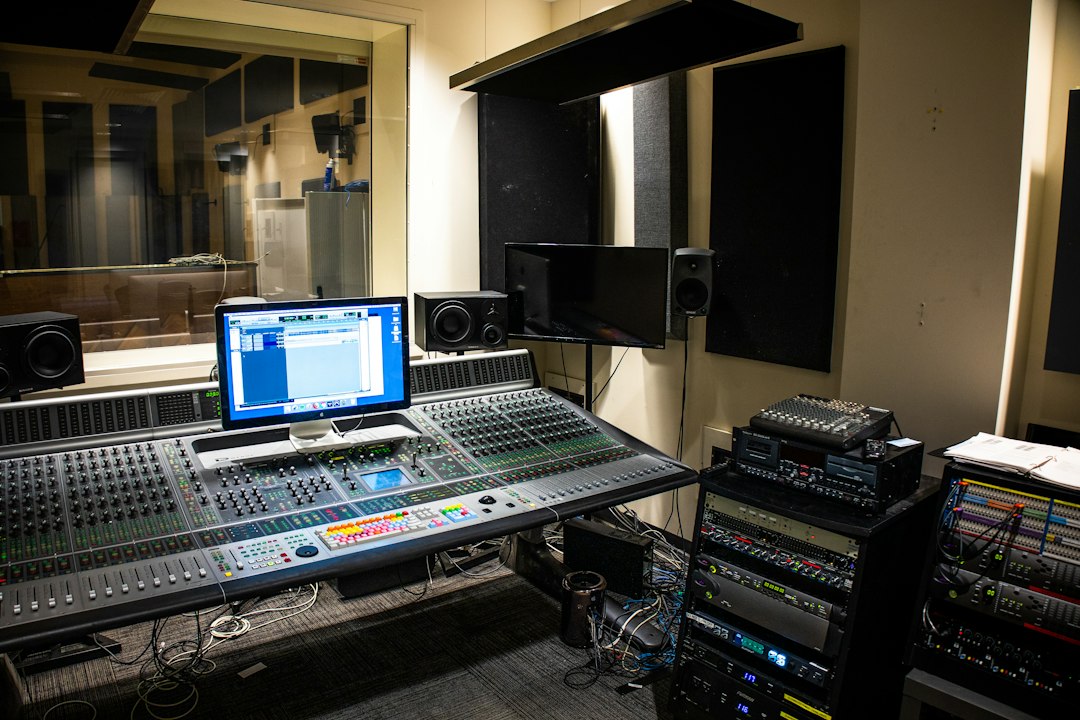
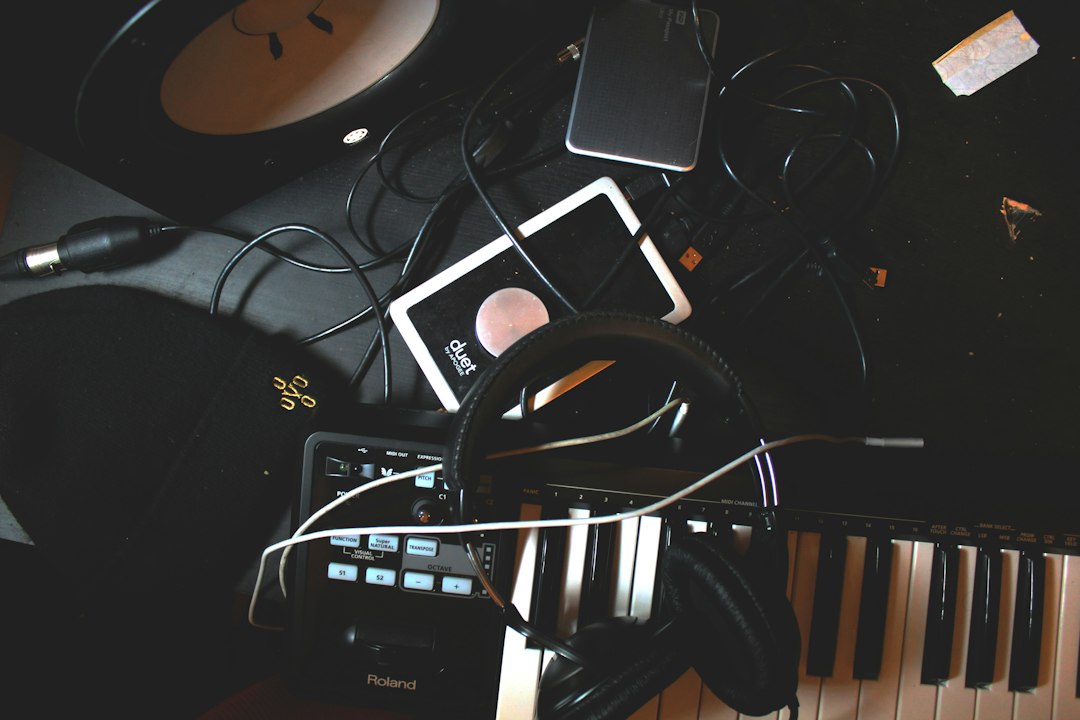
You don’t need a big studio. A laptop, your DAW, a pair of headphones or monitors, and a MIDI controller will get you a long way. Many DJs already own capable hardware. As you grow, accurate monitoring helps — our guide to monitors vs headphones for mixing explains the trade-offs. Start with what you have and upgrade only when a real limitation appears.
A simple first-track workflow
If a blank project feels overwhelming, give yourself a fixed sequence to follow. Having a repeatable order of operations removes most of the paralysis that stops new producers from finishing anything.
- Start with the groove. Lay down a drum loop and a bassline that lock together. If the groove makes you nod before anything else is added, the track has a foundation worth building on.
- Add one or two musical hooks. A chord stab, a vocal chop or a lead melody is usually enough. Resist the urge to layer in ten ideas — restraint is what makes a track feel intentional rather than cluttered.
- Arrange it like a DJ set in miniature. Use the eight- and sixteen-bar phrasing you already know to build tension, drop, breakdown and recover. Copy your best loop across the timeline first, then subtract elements to create the quiet sections.
- Do a rough mix as you go. Balance levels, carve a little space with EQ, and set your gain staging so nothing clips. A rough balance kept tidy throughout is far easier than fixing a mess at the end.
- Bounce it and live with it. Export the track, play it in the car, on headphones and ideally in a set. The notes you make on that second listen become your to-do list for version two.
Repeat this loop on every track and your speed and quality climb together. The goal in the first year is volume of finished work, not a single masterpiece.
Common mistakes DJs make when they start producing
Most of the friction in the DJ-to-producer transition comes from a handful of predictable traps, and they overlap with the wider set of common DJ mistakes to avoid. Knowing them in advance saves months.
- Endless loop syndrome. It’s easy to polish a four-bar loop forever because it sounds great on repeat. Force yourself to arrange early, even badly — a full structure exposes the problems a loop hides.
- Chasing gear instead of skill. New plugins and controllers feel like progress but rarely are. Your current setup can almost certainly finish a release; the limitation is practice, not equipment.
- Over-layering. DJs are used to full, mastered tracks, so their own works-in-progress can sound thin by comparison and they pile on layers to compensate. Thinness usually comes from arrangement and mixing, not from a lack of sounds.
- Mixing too loud and too soon. Cranking the volume and mastering before the arrangement is finished flatters the track and hides flaws. Keep monitoring levels moderate and leave loudness to the very end.
- Never sharing the work. Tracks that only ever play in your own room never improve. Test them in sets and get honest feedback, even when it stings.
Finish, release and play your own tracks
The whole point is to make music you can play and release. Finish tracks, test them in your own sets, and notice how the crowd reacts — learning to read a crowd is feedback no tutorial can give you. Releasing original music also raises your profile and booking value, and feeds straight into making money as a DJ. Many DJs find that producing and DJing reinforce each other: better tracks get better gigs, and better gigs inspire better tracks.
Be patient with the learning curve
Production is a deep skill and your early tracks won’t match your taste — that’s normal and happens to everyone. The gap between your ear and your ability is what pushes you to improve. Keep finishing tracks, keep learning your DAW, and use your DJ instincts as the compass. Consistency closes the gap.
Frequently asked questions
Is being a DJ helpful for becoming a producer?
Very. As a DJ you already understand song structure, energy, phrasing and what works on a dance floor — exactly the things that make a track effective. The new skills are a DAW, arrangement and sound design, but your trained ear gives you a genuine head start most beginners lack.
What DAW should a DJ use to start producing?
Any major one works — Ableton Live is a popular fit for electronic music and DJs, but FL Studio, Logic Pro and others are all capable. There’s no single best choice. Pick one, commit to it, and build real fluency rather than dabbling across several.
How long does it take to go from DJ to producer?
There’s no fixed timeline, and your first tracks won’t match your taste — that’s normal. The fastest progress comes from finishing tracks rather than perfecting loops, learning your DAW deeply, and using your DJ instincts for structure and energy. Consistency over months is what closes the gap.
Do I need to learn music theory to produce?
Not formally, and a lack of theory shouldn’t stop you starting. Most DAWs let you sketch melodies and chords by ear, and a little knowledge of scales and keys goes a long way once you’re comfortable. Treat theory as a tool you pick up gradually to speed up ideas you already hear, not a prerequisite you must master first.
Should I produce in the same genre I DJ?
Starting in the genre you know best is usually the smart move. You already understand its arrangement conventions, its energy and what a crowd expects, so you have a built-in reference for whether your track is working. Once you can finish tracks confidently, branching into adjacent styles becomes much easier.