Learning how to choose a recording studio comes down to matching the right engineer and room to your song, your genre and your budget — not chasing the biggest gear list. The best studio for you is the one where the person behind the desk understands your music, you trust how their finished work sounds, and the cost fits what you can spend without cutting the session short. Get those three things right and the rest follows.
Below is what actually matters when you compare options, in roughly the order of importance, followed by a quick checklist you can run through before you commit.
Start With the Engineer, Not the Building
The single biggest factor in how your recording turns out is the person running it. A modest room with a great engineer beats a glamorous room with someone who doesn’t get your style. Look at how long they’ve been recording, what genres they work in most, and whether they regularly handle projects like yours — a hip-hop vocal session and a live folk band need very different skills.
It also helps to understand the roles involved, because some studios bundle them and some don’t. A recording engineer captures the performance; a producer shapes the arrangement and direction. Our guide to the difference between a producer and an engineer explains where the lines fall so you know who you’re actually hiring.
Listen to Sample Work in Your Genre
Always ask for examples — and listen critically rather than politely. Do the vocals sit naturally? Is the low end controlled? Does a finished track sound like something you’d hear on a real release? Most importantly, do the samples sound like your kind of music? An engineer with a brilliant metal reel may not be the right call for an acoustic singer-songwriter EP.
If the samples are mixed in-house, you’re also hearing their mixing taste. If you plan to mix or master elsewhere, that matters less, but it still tells you how much they care about a polished result. For context on the later stages, see what a mixing engineer does and what mastering is.
Assess the Room and the Gear (in That Order)
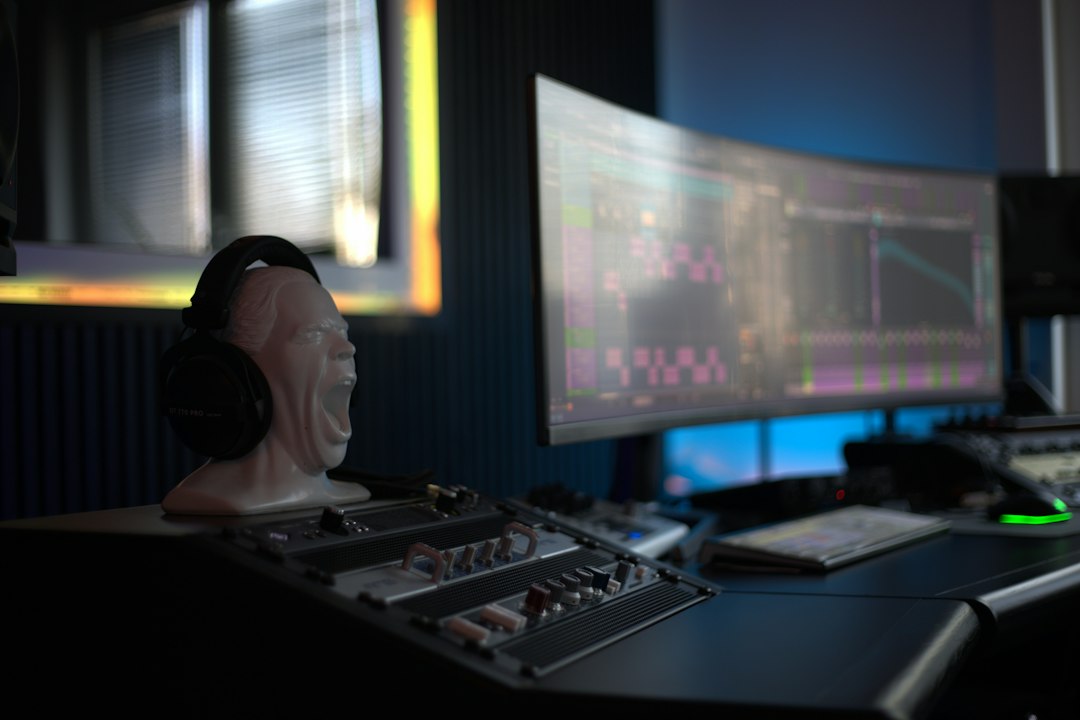
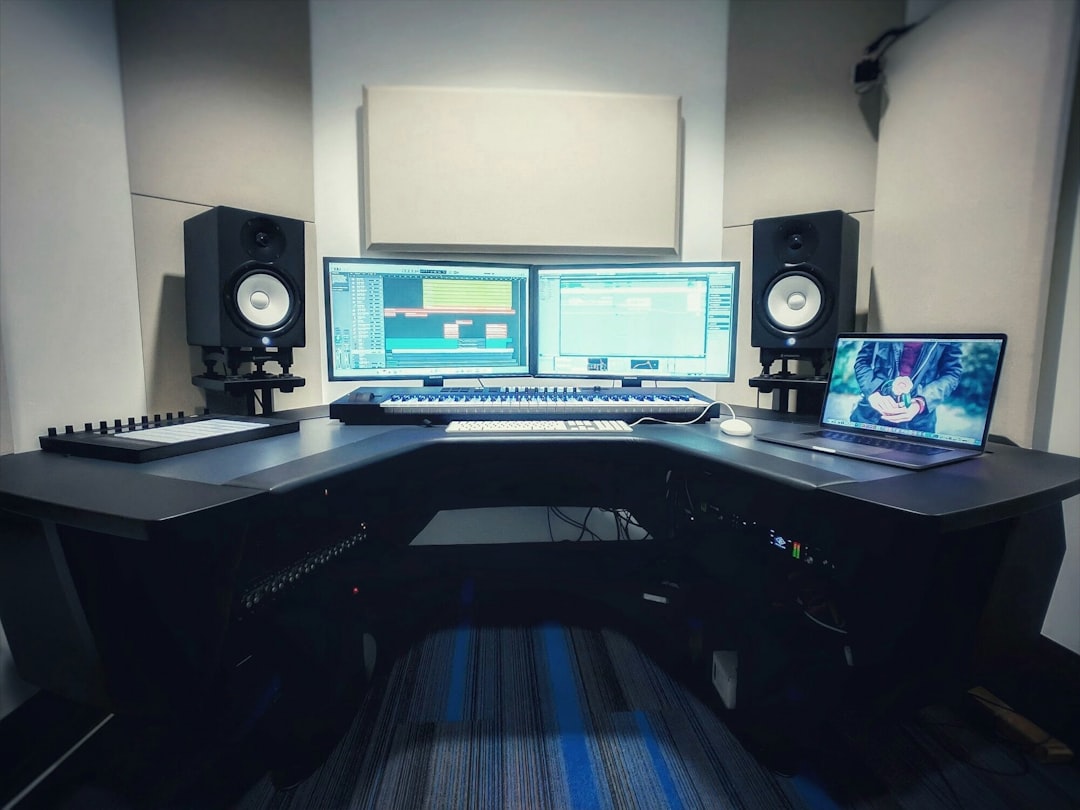
Gear lists are seductive, but a well-treated room matters more than a rack of expensive outboard. A good live room and a quiet, acoustically controlled vocal booth will improve every recording before a single plug-in is touched. If you’ve ever tried to track at home, you already know how much the space colours the sound — our piece on acoustic treatment for home studios explains why.
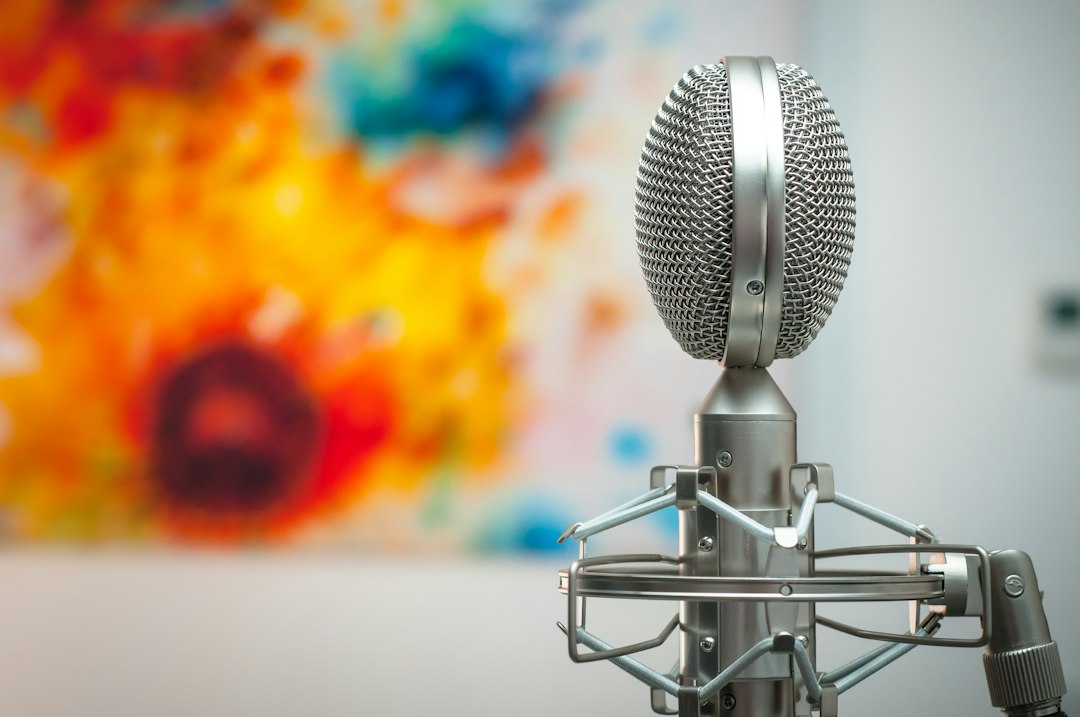
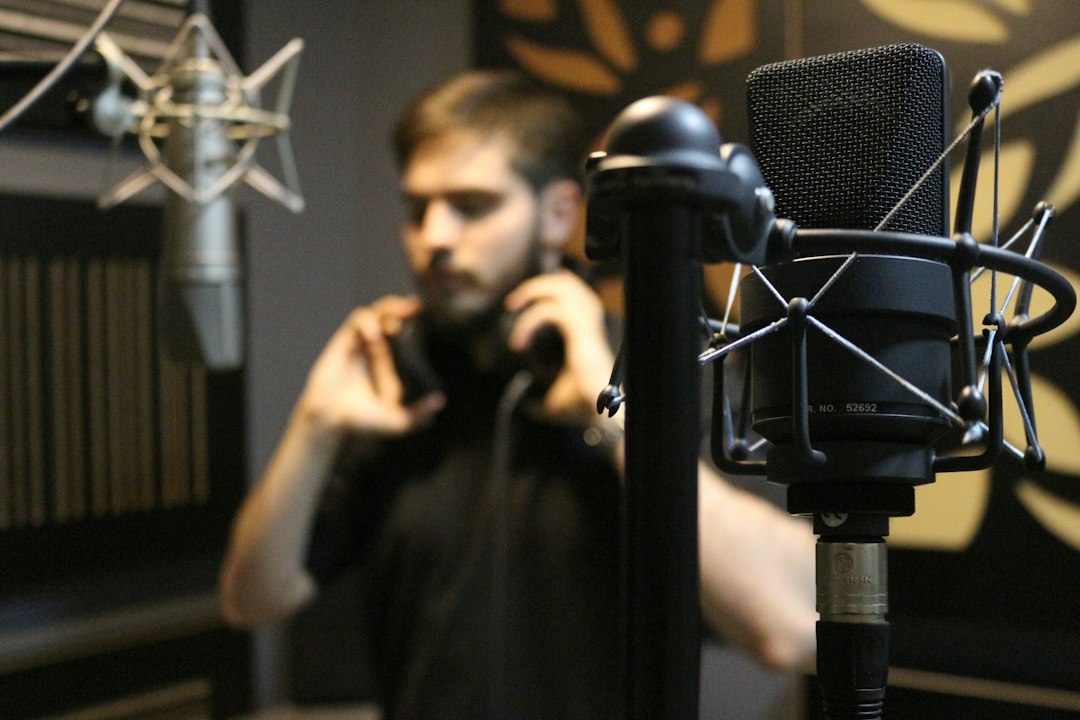
On gear, you mainly want enough quality to serve your project: a couple of good microphones suited to your source, clean preamps, a reliable interface and accurate monitoring. You don’t need every vintage compressor on the market. Ask what mics they’d reach for on your kind of vocal or instrument — a confident, specific answer tells you more than the price tags do.
Location, Logistics and Vibe
Practical things derail more sessions than gear ever does. Consider:
- Travel — a closer studio means you arrive fresh and can return easily for follow-ups.
- Parking and load-in — crucial if you’re hauling drums or amps.
- Comfort — long sessions need decent space, ventilation and a place to rest your voice.
- Vibe — you’ll be vulnerable, performing in front of the engineer. If the first conversation feels tense or dismissive, that won’t improve once the clock is running.
A studio visit before booking is worth the time. You’ll learn more in twenty minutes in the room than in any amount of website browsing.
Budget: What to Expect and How to Frame It
Studio costs vary widely by location, engineer, room and genre, and these figures are US-leaning estimates rather than fixed prices. As a rough guide, budget and home-project studios often sit at the lower end of an hourly rate, mid-tier professional rooms charge a higher hourly or a flat day-rate, and high-end facilities with name engineers cost considerably more. Some engineers quote per-song instead of per-hour, which can protect you from overruns.
Don’t book purely on the lowest number. A cheaper room that needs three sessions to get a usable take can cost more than a pricier one that nails it in a day. Ask exactly what the rate includes — engineer time, setup, the room, and whether mixing or editing is separate. If your budget is tight, you might track core parts professionally and handle overdubs at home; our home studio setup guide covers that hybrid approach.
A Quick Checklist Before You Book
- Does the engineer regularly work in my genre, with samples to prove it?
- Do their finished tracks sound like releases I’d be proud of?
- Is the live room and/or vocal booth properly treated?
- Do they have the right mics and monitoring for my source?
- Is the location and load-in workable for me and my gear?
- Did the room and the person feel right when I visited or spoke?
- Is the rate clear about what’s included, and does it fit my budget?
- Are mixing, editing and file delivery spelled out, not assumed?
If you’d rather not cold-call studios one by one, our free get matched with a studio and engineer service connects you with options that fit your genre, location and budget so you can compare like for like.
Frequently asked questions
How do I choose a recording studio on a small budget?
Prioritise the engineer and the room over the gear list, and ask whether they quote per-song to cap your costs. You can also track essential parts in a pro studio and record extras at home — see our budget home studio guide for that route.
Does the studio’s gear really matter less than the engineer?
Yes, up to a point. A skilled engineer in a treated room with solid microphones will outperform an inexperienced one surrounded by expensive equipment. Gear only helps once someone knows how to use it for your music.
Should I visit a studio before booking?
Whenever possible. A short visit shows you the room’s condition, the monitoring, the vibe and how the engineer communicates — all things that decide whether your session goes smoothly.