
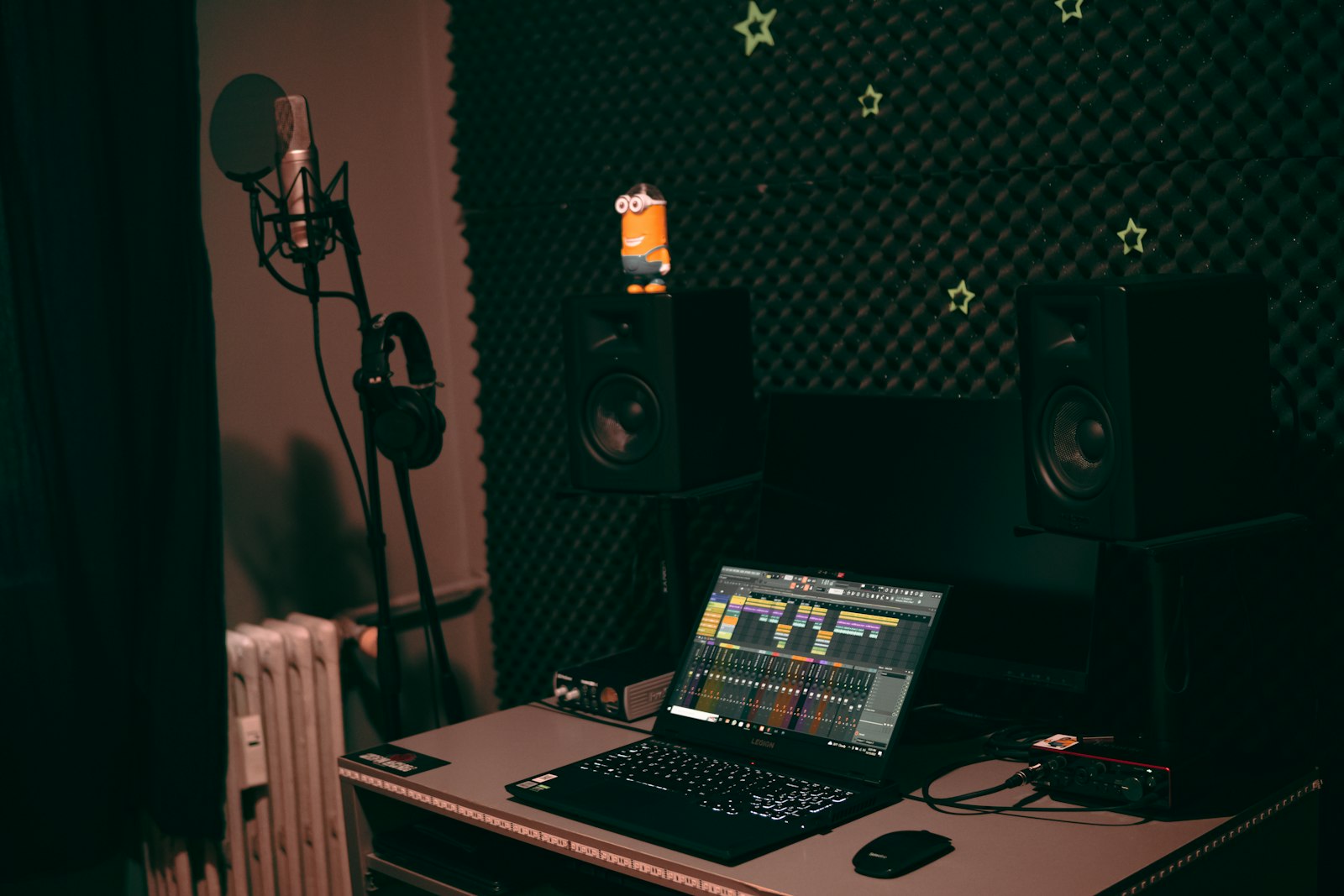
You don’t need a fortune to make professional-sounding recordings. You need the right few pieces, in the right order, and a room that isn’t fighting you. Here’s how to build a capable home studio on a budget.
Some links in this article are affiliate links. If you buy through them we may earn a small commission, at no extra cost to you. We only recommend gear we’d use ourselves.
The essentials, in order
- A computer you already own – almost any modern laptop works.
- A DAW (recording software) – many capable ones are free or come with your interface.
- An audio interface – the heart of the setup; see the best beginner interfaces.
- One good microphone – choose based on your room and source (condenser vs dynamic).
- Headphones – reliable for tracking and mixing in untreated rooms.
That’s genuinely enough to record and release music today.
Where to spend and where to save
- Spend on: the interface and microphone – they shape every recording.
- Save on: fancy extras, multiple mics, and big monitors you can’t yet use accurately.
- Don’t skip: basic acoustic treatment – it beats expensive gear for improving your sound.
A sensible upgrade path
Once the basics are working, add in this rough order: room treatment, studio monitors (and learn to position them), a second or better microphone, then more inputs if you record bands. Upgrade because something is genuinely limiting you – not out of gear envy.
How to choose each piece
Knowing the order to buy is half the battle. The other half is choosing well within each category so you don’t pay for things you can’t yet hear or use. A few practical pointers:
The audio interface
For one person recording vocals and a guitar, a simple two-input interface is plenty. Look for clean, quiet preamps, stable drivers for your operating system, and enough gain for the microphone you plan to use – dynamic mics in particular need a healthy amount of gain. Don’t overbuy channels: an eight-input interface is wasted money until you’re actually tracking a full band or a drum kit at once.
The microphone
Match the mic to your room before you match it to your wallet. In an untreated, lively room a dynamic microphone is forgiving because it rejects more of the reflections bouncing off bare walls. In a quieter, partly treated space a large-diaphragm condenser captures more detail and air. Either way, a single well-chosen microphone you understand will serve you better than three cheap ones you constantly second-guess.
Headphones and monitors
Closed-back headphones keep spill out of the mic while you track and let you work late without annoying the household. For mixing, a flat, honest pair matters more than a loud or flattering one – you want to hear problems, not hide them. Hold off on studio monitors until you can treat the room a little and position the speakers properly, because monitors in a bad room can mislead you more than good headphones will.
Common mistakes to avoid
- Buying gear instead of treating the room. A few panels at first reflection points and some bass trapping in the corners will improve your recordings more than a pricier microphone in a bare room.
- Chasing channels you won’t use. Most home recordists track one or two sources at a time. Pay for quality on those inputs rather than quantity you’ll leave idle.
- Recording too hot. Modern interfaces have huge headroom, so leave space at the top – aim for healthy levels well short of clipping rather than pushing the meters into the red, which is one of the easiest ways to end up with a distorted or clipping recording.
- Skipping a pop filter and a stable stand. These cost little, tame plosives and handling noise, and quietly raise the quality of every take – a simple pop filter in particular punches well above its price.
- Upgrading out of boredom. New gear won’t fix a skill gap. Get fluent with what you have first; the limitation you actually hit will tell you what to buy next.
Set up your space well
Your room is a piece of gear too, and it’s usually the cheapest one to improve. Record in the smaller, softer rooms of your home rather than a big empty space – carpet, a bed, curtains and a full bookshelf all absorb reflections that otherwise muddy a recording. Aim the microphone away from bare parallel walls, keep it away from corners where bass builds up, and put something soft behind the singer to catch reflections coming back at the capsule. None of this costs anything, and it makes everything you record afterwards easier to mix.
Frequently asked questions
How much should I budget for a first home studio?
Less than most people expect. If you already own a laptop, the real spend is an interface, one microphone, a cable, a stand and a pair of headphones – plus a little set aside for basic acoustic treatment. Buy quality on the interface and mic, keep the rest modest, and you can release finished music with that setup. For a fuller breakdown of typical figures, see how much a home studio costs.
Do I need studio monitors to start?
No. Reliable closed-back headphones are enough to track and mix when your room is untreated, and they remove the room’s colouration from the equation. Add studio monitors later, once you’ve treated the space and can position them correctly – otherwise the room will mislead you.
Condenser or dynamic microphone for a beginner?
It depends on your room more than your budget. A dynamic mic is the safer first choice in an untreated, reflective space because it picks up less of the room. A condenser captures more detail but also more of whatever surrounds it, so it rewards a quieter, treated space. Our guide on condenser vs dynamic breaks down which suits your situation.
Shop related gear
The core of a budget home studio — interface, mic and monitors:
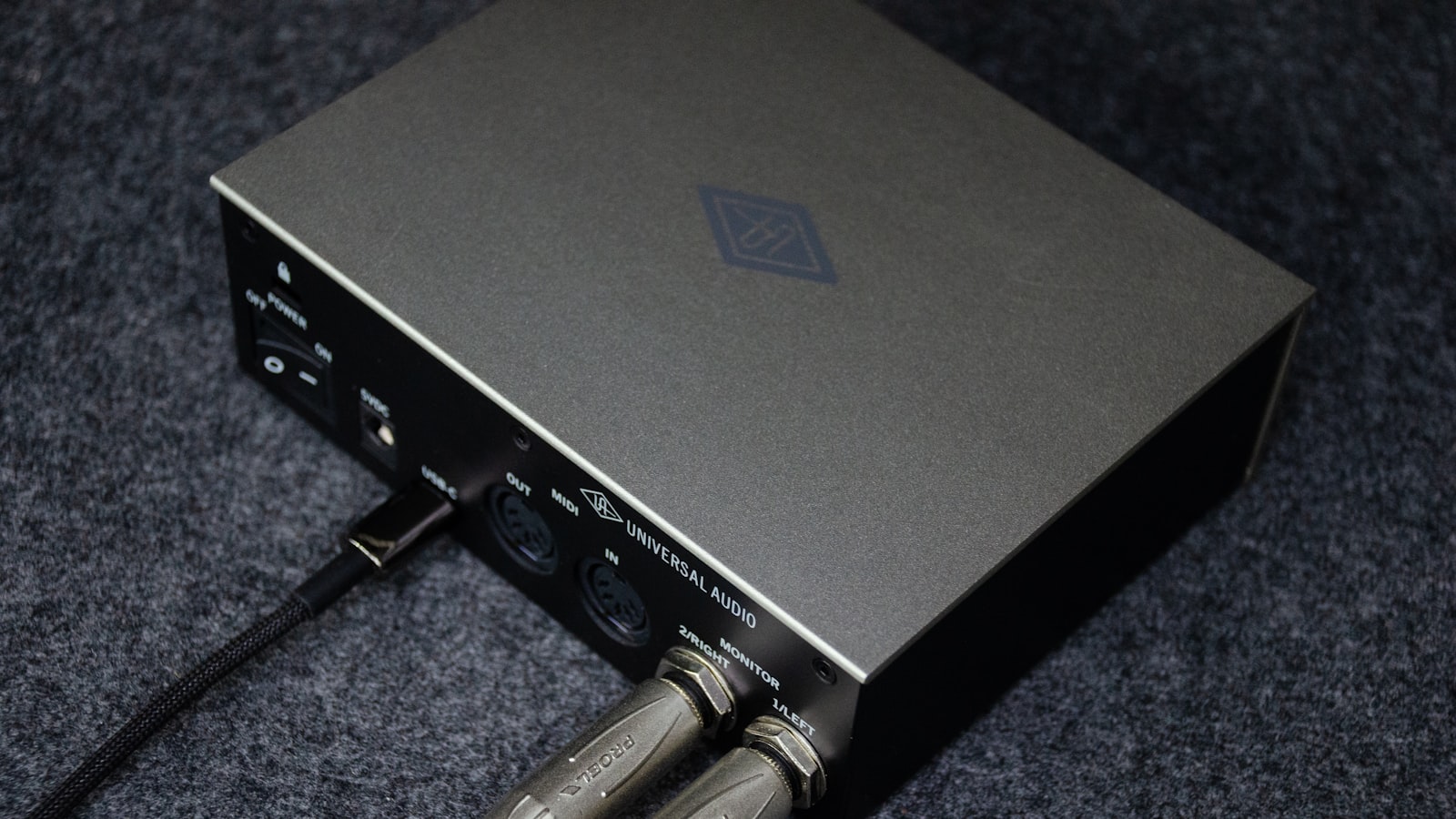
Clean preamps and low-latency USB-C — the sweet spot for most home studios.
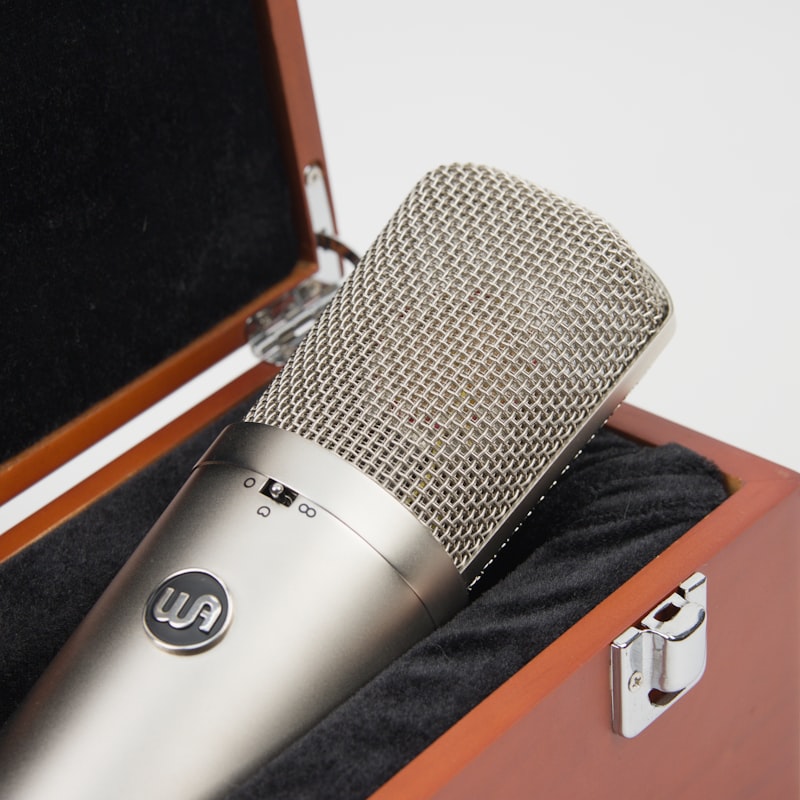
A versatile cardioid mic tuned for clear, present vocals at home.
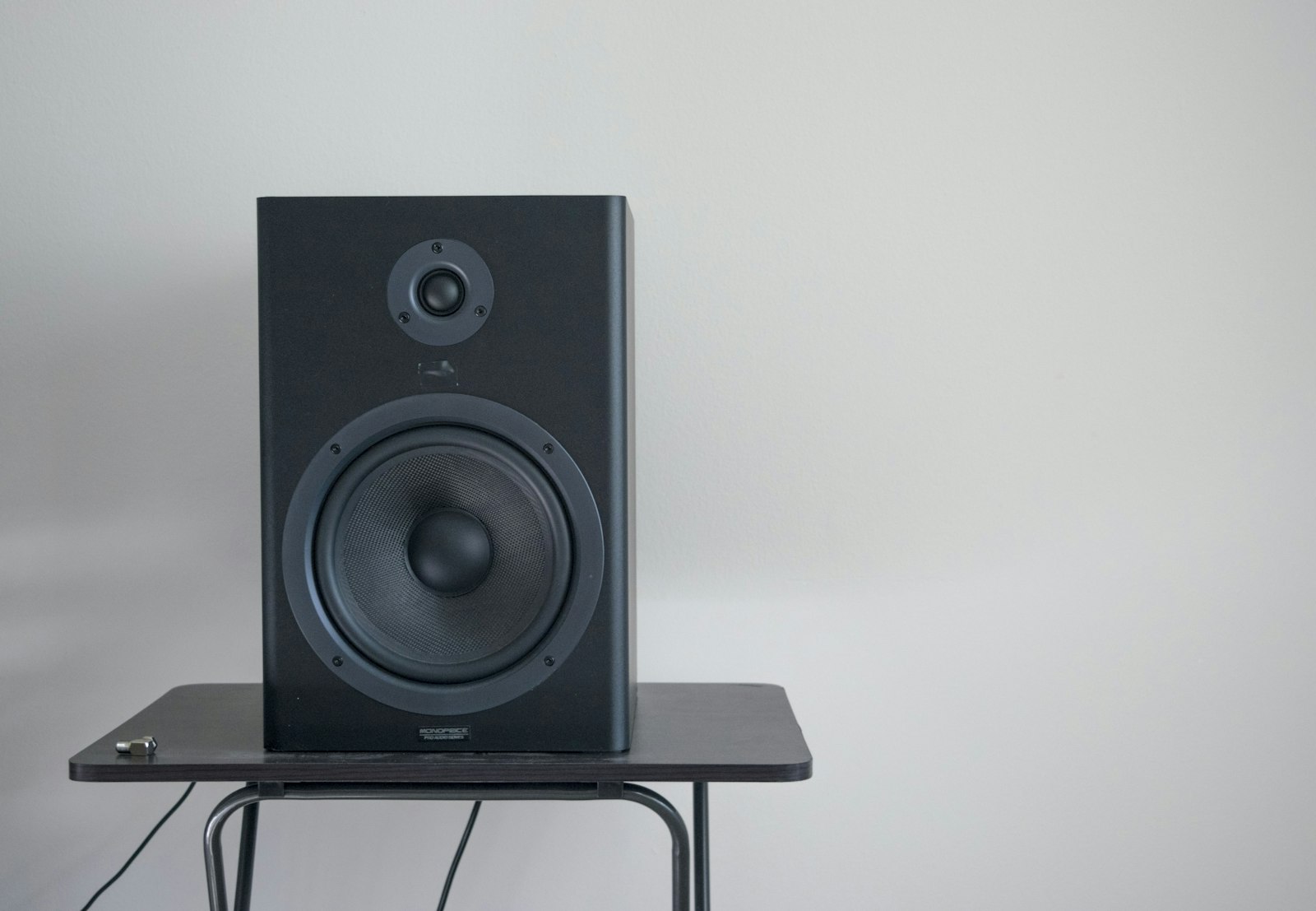
Versatile nearfield monitors — the home-studio standard for accurate mixing.



