Wondering how long to learn to DJ? Here’s the honest answer: you can mix two tracks together within a few weeks of regular practice, play a confident 30–60 minute set within a few months, and develop a real personal style over a year or more. DJing rewards consistency more than talent — the people who progress fastest simply practise often and finish mixes instead of endlessly tweaking gear.
Below is a realistic timeline broken down by skill, plus what slows people down.
The basics: days to a couple of weeks
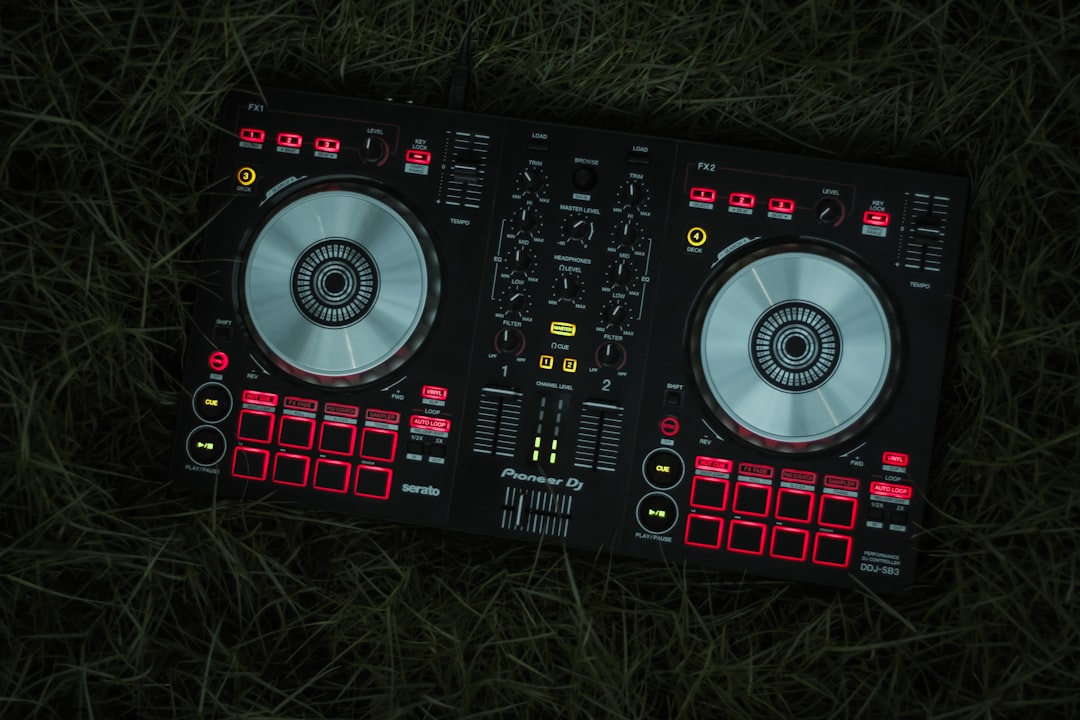
Getting comfortable with your gear — loading tracks, using the cue and headphone controls, moving the faders — takes only a few sessions. With a beginner controller and clear software, this part is quick. If you haven’t set up yet, start with a DJ setup for beginners and how to DJ: a beginner’s guide.
Beatmatching: a few weeks
Matching tempo and aligning beats by ear is the first skill that takes real practice. Most people get the hang of it within a few weeks of short, focused sessions, then keep refining it for months. Using sync can get you mixing sooner, but learning it manually pays off. See what is beatmatching.
Clean transitions: one to three months
Beatmatching is only half a transition. Combining it with EQ mixing — swapping basslines cleanly — and phrase mixing so you blend on the natural 8- and 16-bar sections is what makes a mix sound intentional. Expect a month or two of practice to make this reliable, and longer to make it effortless.
Playing a full set: a few months
Stringing many tracks together into a flowing 30–60 minute set adds track selection, energy management and set planning. Most committed beginners reach this in a few months. Build the skill with how to plan a DJ set, then prove it by recording — see how to record a DJ mix.
Advanced skills: ongoing
Scratching, harmonic mixing, creative effects work and reading a live crowd develop over a longer arc — months to years. Even a flashy technique like scratching only starts to feel musical after a lot of repetition. These are what separate competent DJs from memorable ones, and they keep improving as long as you keep playing.
A rough timeline
| Milestone | Typical time with regular practice |
|---|---|
| Comfortable with the gear | Days to two weeks |
| Beatmatch two tracks | A few weeks |
| Smooth, clean transitions | One to three months |
| Play a full 30–60 min set | A few months |
| Personal style and crowd-reading | A year or more, ongoing |
What actually changes the timeline
The numbers above assume regular, focused practice, but several things stretch or shrink them. Be honest about where you sit so you can set realistic expectations.
Your practice frequency. Three or four short sessions a week beats one long weekend marathon. Skills like beatmatching are built on muscle memory and repeated listening, and both fade quickly between long gaps. Someone practising twenty minutes most days will usually overtake someone who does a single two-hour session once a fortnight.
Your musical background. If you already play an instrument, sing, or have a strong sense of rhythm, beatmatching and phrasing tend to click faster because you can already feel the beat and hear the bar structure. If counting beats is new to you, give yourself extra time on timing before worrying about anything advanced.
If you are weighing up DJing against picking up an instrument, compare this timeline with our breakdown of how long it takes to learn guitar.
The genre you choose. Steady four-to-the-floor styles such as house and techno have predictable tempos and clear phrasing, which makes early mixing easier. Genres with shifting tempos, swung rhythms or busy arrangements — much hip-hop, drum and bass or open-format sets — ask more of your timing and track knowledge, so expect the curve to be a little steeper.
Your gear and software. A clear, modern controller with a tidy laptop screen lets you focus on listening rather than fighting the interface. You don’t need expensive equipment, but you do need something reliable enough that the tool isn’t the obstacle.
How to learn faster: a practical routine
If you want to compress the timeline without cutting corners, structure your practice instead of just noodling. A simple weekly routine that works for most beginners looks like this:
- Warm up by ear. Spend a few minutes beatmatching two tracks with sync turned off, just to keep your timing sharp.
- Drill one skill. Pick a single focus for the session — EQ swaps, phrasing, or cueing the next track quickly — and repeat it until it feels less awkward than when you started.
- Play for fun. Mix a handful of tracks you genuinely love. Enjoyment is what keeps you coming back, and motivation is the real driver of progress.
- Record and review. Capture one short mix and listen back the next day. Hearing your own train-wrecks is the fastest feedback loop there is.
What slows people down
The most common time-wasters are obsessing over gear instead of practising, relying entirely on sync without building timing, never finishing mixes, and changing tracks too often to ever master transitions. Avoid these and you’ll move faster — see common DJ mistakes to avoid.
How to speed it up
Short daily sessions beat occasional long ones. Focus on one skill at a time, mix music you love, and record and review your sets so you hear your own mistakes. With that approach, the timeline above is well within reach.
Frequently asked questions
Can I learn to DJ in a weekend?
You can learn the basics and make a rough mix in a weekend, but smooth, reliable mixing takes weeks of practice. Treat a weekend as the start, not the finish.
Does using sync mean I learn faster?
Sync gets you mixing sooner, but it can mask weak timing. Many DJs use it while still practising manual beatmatching, so they build the underlying skill rather than depending on the feature.
Is it harder to learn on turntables?
Generally yes — vinyl and manual beatmatching take more patience than a controller. It builds excellent fundamentals, but most beginners learn faster on a controller first.
How much should I practise each week to see steady progress?
Aim for several short sessions rather than one long one. Around twenty to forty minutes most days is plenty for a beginner, because consistency and frequent repetition matter far more than the total hours you log in a single sitting.