If you want to know how to become a DJ, the path is more straightforward than it looks: get a basic setup, learn to beatmatch and mix, build a music library you love, record mixes to prove your skill, then start playing out. You don’t need a degree, an expensive rig, or industry contacts to begin — just consistent practice and a clear order of steps.
Here’s the realistic roadmap from absolute beginner to a DJ who plays for an audience.
Step 1: Get a starter setup
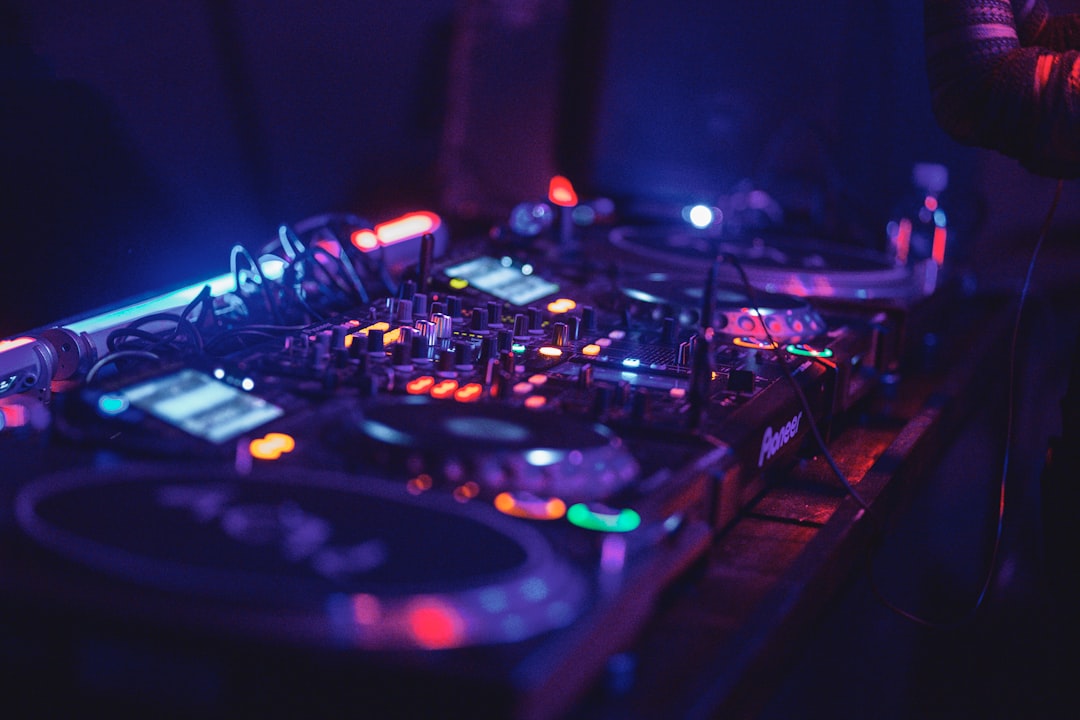
A laptop, a pair of cueing headphones, and an entry-level DJ controller is all you need to begin. Controllers like the Pioneer DJ DDJ-FLX4, the Hercules and Numark beginner models, or the Roland DJ-202 are designed exactly for this. They bundle DJ software, so you can be mixing the day it arrives. If you’re not sure what to buy, start with what equipment you need to DJ and a DJ setup for beginners.
Resist the urge to overspend at this stage. A two-channel controller covers everything a new DJ needs, and the skills you learn on it transfer directly to the bigger gear you’ll meet later. The only accessory worth buying properly from day one is a decent pair of closed-back headphones, because you’ll rely on them to cue the next track while the current one plays out loud.
Step 2: Learn the core mixing skills
Becoming a DJ means being able to blend tracks smoothly. Focus on these in order:
- Beatmatching — matching tempo and aligning beats so two tracks play in time. See what is beatmatching.
- EQ mixing — using the low/mid/high knobs to swap basslines cleanly so tracks don’t clash. Our guide on how to EQ mix as a DJ walks through it knob by knob.
- Phrasing — bringing tracks in and out on the natural 8-, 16- and 32-beat sections so transitions land musically.
Master those three and you can already mix. Everything else — loops, hot cues, harmonic mixing, scratching — is a bonus layer. A useful habit early on is to learn each skill with the software’s sync button turned off for at least part of every session. Sync is a fine tool, but if you only ever lean on it you never develop the ear for tempo and timing that separates a confident DJ from someone hoping the software holds the mix together.
Step 3: Build a music library
A DJ is only as good as their music. Start collecting tracks you genuinely love from stores like Beatport, Bandcamp and Beatsource, and tag them by genre, energy and key so you can find the right record fast. Organising as you go saves enormous pain later — see how to organize your music library for DJing and where to buy music for DJing.
Buy your music rather than ripping low-quality files from streaming or video sites. On a big system, low-bitrate audio sounds thin and harsh, and most clubs and promoters expect you to own proper copies of what you play. Aim to add tracks in small, deliberate batches so you actually know your collection, rather than hoarding thousands of files you’ll never recall in the moment.
Step 4: Practise like a DJ, not a button-presser
Set regular, focused sessions. Mix the same handful of tracks until the transitions feel effortless, then add new ones. Record your practice mixes and listen back critically — your ears improve faster when you hear your own mistakes. Avoid the common traps in common DJ mistakes to avoid.
Short, frequent sessions beat occasional marathons. Twenty focused minutes a few times a week builds muscle memory and trains your ear more effectively than one long, distracted session at the weekend. Give yourself a small goal each time — nail one clean transition, learn the structure of one new track — so you finish with something concrete rather than just noodling.
Step 5: Record and share a mix
A recorded mix is your calling card. It shows promoters and friends what you can do and forces you to play a full, structured set. Learn to capture clean audio in how to record a DJ mix, then share it online to start building an audience.
Step 6: Start playing out
Once you can hold a 30–60 minute mix together, look for low-pressure opportunities: friends’ parties, open-deck nights, small bars. Reading the room is a skill in itself — see how to read a crowd as a DJ. When you’re ready to chase paid work, our guide on how to get DJ gigs covers the practical steps.
How to choose your sound and style
The DJs who get booked tend to stand for something specific rather than playing a little of everything. Early on, lean towards the genres and tempos you already love listening to — you’ll practise more, dig for music more enthusiastically, and read a crowd in that style more naturally. House and techno sit at steady tempos that are forgiving for beginners learning to beatmatch, while genres with bigger tempo swings ask for a bit more confidence on the controls.
That doesn’t mean boxing yourself in forever. Think of a core sound as a home base you can branch out from once your mixing is solid. Following selectors you admire, noting how they structure a set, and understanding why certain tracks work next to each other will shape your taste far faster than collecting gear ever will.
Common beginner mistakes to avoid
Most early frustration comes from a handful of predictable habits. Watch for these:
- Buying gear instead of practising. Upgrading the controller rarely fixes a mixing problem; repetition does.
- Mixing too loud while cueing. Protect your hearing — you make better decisions and last far longer with sensible monitoring levels.
- Clashing basslines. If two kicks and basslines play at full level together, the mix turns to mud. Use the EQ to pull one low end down before bringing the next track up.
- Never finishing a mix. A completed, shareable recording teaches you more than a hundred half-played transitions.
How long does becoming a DJ take?
You can mix two tracks within weeks, play a solid set within a few months, and develop a recognisable style over a year or more. The people who progress fastest are simply the ones who practise consistently and finish mixes rather than endlessly tweaking gear.
Frequently asked questions
Do I need to produce music to be a DJ?
No. DJing and producing are separate skills. Many DJs never produce, though learning production later can help you stand out and get bookings. If you’re curious, see how to go from DJ to producer.
Can I become a DJ without spending much money?
Yes. A modest controller plus free software like Mixxx gets you genuinely started. You can upgrade gear once you know you’re committed.
What’s the most important skill to focus on first?
Beatmatching and clean EQ mixing. They’re the foundation everything else sits on, and they’re what listeners notice when a mix sounds smooth versus messy.
Should I learn on a controller or on club CDJs?
Start on whatever you can practise on most often, which for nearly everyone is a controller at home. The core skills — beatmatching, EQ, phrasing — carry across to club setups, so once your fundamentals are solid, getting comfortable on standalone players is mostly a matter of learning a new layout rather than relearning how to mix.
Do I need formal training or a course?
No. Plenty of working DJs are entirely self-taught using free tutorials and lots of practice. A structured course can speed things up if you prefer guided learning, but it isn’t a requirement — consistent, honest practice is what actually moves you forward.