The Serato vs rekordbox decision comes down to how and where you plan to play. Serato DJ has the broadest hardware ecosystem and a strong following among scratch, mobile and open-format DJs. rekordbox is Pioneer DJ’s software and the standard for preparing tracks to play on club CDJs. Both are excellent — the right choice depends on your gear and goals.
Quick answer: choose rekordbox if you want to play in clubs on Pioneer CDJs/XDJs, or you own a Pioneer DDJ controller. Choose Serato if you want a wide range of compatible controllers, do a lot of scratching, or play mobile and open-format gigs.
Hardware compatibility
This is often the deciding factor. Serato supports a very wide range of controllers and interfaces across many brands — Pioneer DJ, Numark, Roland, Denon DJ, Rane and more. rekordbox’s controller support centres on Pioneer DJ’s own hardware, with more limited third-party options.
The practical rule: your controller usually points you to the software. Many controllers ship “Serato-ready” or “rekordbox-ready,” and that often settles the question. Our guides to the best 2-channel DJ controllers and the best DJ controllers note which platform each option targets, and our wider roundup of DJ software covers the alternatives too.
The club CDJ workflow
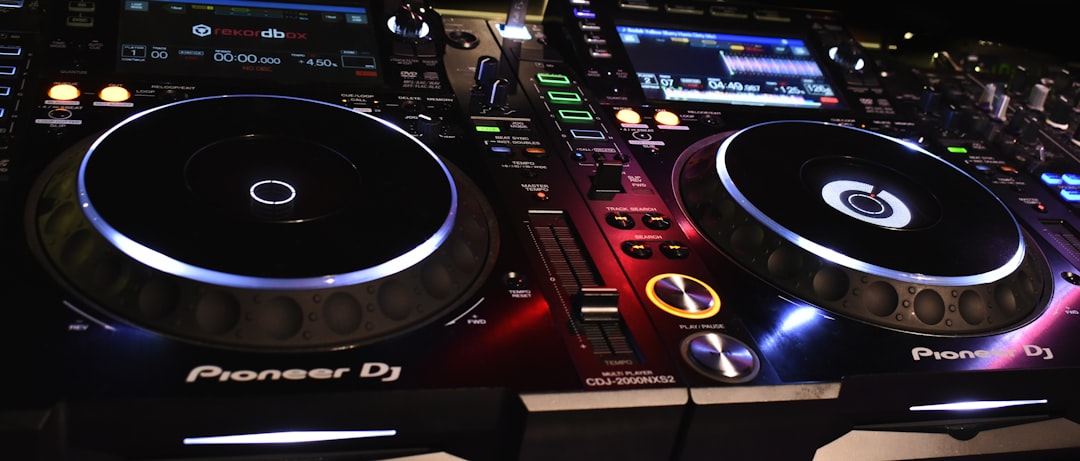
If you want to play in clubs, this favours rekordbox heavily. Most venues run Pioneer CDJs and XDJs, and rekordbox is the standard way to prep a USB drive with your analysed tracks, cues, grids and playlists, then plug straight in — no laptop required at the gig. Our guide to rekordbox walks through that export process step by step.
Serato can be used with CDJs in some configurations, but the seamless USB-export-to-CDJ workflow is rekordbox’s home turf. If club gigs are your goal, learning rekordbox’s CDJ workflow is the practical path.
Scratching and turntablism
Serato has a long-standing reputation among scratch DJs and turntablists. Its DVS support, feel and feature set are widely trusted in the scratch community, and much scratch-focused gear is built around it. Our guide to Serato DJ covers how that ecosystem fits together. rekordbox supports scratching too, but Serato is more often the default for serious turntablism. If you are learning how to scratch, Serato is a common pick.
Features and workflow
| Area | Serato DJ | rekordbox |
|---|---|---|
| Hardware support | Very broad, many brands | Mainly Pioneer DJ |
| Club CDJ prep | Limited | Standard / strongest |
| Scratch reputation | Very strong | Good |
| Free tier | Serato DJ Lite | Free prep + export tier |
| Cues, loops, key, FX | Yes (fuller in Pro) | Yes |
Both handle the essentials well: hot cues, loops, key detection for harmonic mixing, effects and library management. Day to day, the core mixing experience is more similar than different — the big distinctions are ecosystem and club workflow, not whether you can do a clean transition.
How to choose the right one for you
If the comparison still feels close, work through these questions in order. The first one that gives you a firm answer is usually the one to trust.
- Do you already own a controller? If so, the software it is built for is almost always the right starting point. Fighting your hardware to run the other platform rarely pays off, and unofficial workarounds can break with updates.
- Where do you want to play? If the answer is clubs and festivals, the CDJ standard makes rekordbox the safer long-term bet. If it is weddings, bars, parties and other mobile or open-format work, Serato’s breadth and reliability are a strong fit.
- How important is scratching? If turntablism is central to what you do, lean Serato. If you mostly blend and beatmatch, either platform is more than capable.
- What does your community use? Learning is faster when the people around you — local DJs, online groups, the venues you want to play — share your software. Being able to ask “how do I do this?” and get a quick answer is worth a lot early on.
Remember that the choice is not permanent. Both platforms teach the same underlying skills — phrasing, EQ mixing, energy management, reading a crowd — and those transfer no matter which interface you start on.
Common mistakes to avoid
A few avoidable missteps trip up new DJs when they pick a platform:
- Buying the software first, then the controller. It is usually the wrong way round. Choose the gear that suits your goals and budget, and let it point you to the platform.
- Chasing the “industry standard.” There isn’t a single one. The right standard is whatever your scene and gear use, not a label from a forum argument.
- Skipping track analysis. On both platforms, well-set beat grids, cue points and accurate key/BPM data do most of the heavy lifting live. Prep your library properly and the actual mixing gets far easier.
- Assuming everything migrates. Cue points, grids and playlists do not always transfer cleanly between Serato and rekordbox. If you think you may switch, keep your file and folder structure tidy so a future move is less painful.
- Ignoring the free tier. Both offer free entry points. Try before you pay so you know the interface clicks with you before committing to a paid plan.
Cost considerations
Both offer free entry points and paid upgrades. Serato DJ Lite is free; Serato DJ Pro is paid (subscription or one-time), and some controllers unlock Pro when connected. rekordbox offers free prep and USB-export features, with some performance and cloud features behind paid tiers. Check current pricing on each platform’s site, as both adjust their plans over time. Factor software cost into your overall cost of starting DJing.
So which should you choose?
- Pick rekordbox if club gigs on Pioneer CDJs are the goal, or you own a Pioneer controller.
- Pick Serato for the widest controller choice, serious scratching, or mobile/open-format work.
- Let your hardware decide if you already own or have chosen a controller — match the software it is built for.
There is no wrong answer for learning the fundamentals. The skills transfer, so you can switch later if your needs change.
Frequently asked questions
Is Serato or rekordbox better for beginners?
Both are beginner-friendly, and the core mixing workflow is similar. The better choice is usually whichever your controller is built for. If you do not own gear yet, decide based on your goal: club CDJ play points to rekordbox, broad hardware and scratching point to Serato.
Can I switch from Serato to rekordbox later?
Yes. The DJ skills you learn transfer between platforms, so switching is mainly about re-learning a different interface and re-preparing your library. Cue points and grids do not always migrate cleanly between software, so expect some prep work if you change.
Do professional DJs use Serato or rekordbox?
Both are widely used at the professional level. Many club and touring DJs use rekordbox for the CDJ workflow, while many scratch, mobile and open-format DJs prefer Serato. The “industry standard” depends on the scene, so neither is objectively the professional choice.
Do I need a laptop to use rekordbox or Serato?
It depends on how you play. With a controller, you generally run the software from a laptop. rekordbox’s big advantage is that once your tracks are analysed and exported to a USB drive, you can play on club CDJs with no laptop at all. Serato is more often run live from a laptop with a controller or DVS setup.