The best headphones for guitar let you hear your tone honestly while you record and practise, without latency and without disturbing anyone. For tracking you want closed-back headphones that isolate; for mixing your guitars you want a more open, accurate sound. This guide covers the strongest models and how to choose the right type for what you do.
Violet Recording is reader-supported — we may earn a commission from links on this page, at no extra cost to you.
Quick answer: the short list
- Best all-round closed-back: Audio-Technica ATH-M50x.
- Best for isolation while tracking: Beyerdynamic DT 770 PRO.
- Best open-back for mixing: Sennheiser HD 600 / HD 650 and Beyerdynamic DT 990 PRO.
- Best budget pick: Sony MDR-7506 and Samson SR850.
Open-back vs closed-back for guitar
This is the first decision, and it depends on the job:
- Closed-back headphones seal around your ears, isolating sound. They stop your playback bleeding into a microphone and keep practice quiet, which makes them the right choice for tracking and late-night playing.
- Open-back headphones let air through, giving a more natural, spacious sound that’s better for judging your mix. But they leak sound and offer little isolation, so they’re for mixing, not recording near a mic.
If you only buy one pair, closed-back is the safer all-rounder for a guitarist. Our guide on open-back vs closed-back headphones goes deeper.
What to look for
Honest, flattish frequency response
You want headphones that tell the truth, so a tone that sounds good in them translates elsewhere. Hyped, bass-heavy consumer headphones can fool you into recording or mixing guitars wrong. Studio-style reference headphones are designed for this.
Comfort for long sessions
You’ll wear these for hours. Look for comfortable pads, manageable clamping force, and a light enough weight. Replaceable earpads are a bonus for longevity.
Isolation (for tracking)
If you record with a mic in the room — say, an acoustic guitar or a miked cab — strong isolation stops your monitor mix leaking into the take. Closed-back models like the DT 770 PRO excel here.
Impedance and your gear
Some studio headphones come in high-impedance versions that need a proper headphone amp or interface to drive them loudly. Most audio interfaces handle common models fine, but check if you’re eyeing a high-impedance pair.
Compared at a glance
| Pick | Why it stands out |
|---|---|
| Audio-Technica ATH-M50x | A hugely popular closed-back pair that balances isolation, comfort, and a fairly honest sound. |
| Beyerdynamic DT 770 PRO | Closed-back, very comfortable, and known for strong isolation — ideal for tracking near microphones. |
| Sennheiser HD 600 / HD 650 | Open-back references beloved for their natural, detailed sound. |
| Beyerdynamic DT 990 PRO | Open-back with an airy, detailed top end. |
| Sony MDR-7506 | A long-standing closed-back studio staple. |
Full picks and details below.
The best headphones for guitar
Audio-Technica ATH-M50x
A hugely popular closed-back pair that balances isolation, comfort, and a fairly honest sound. A great single-pair choice for a guitarist who records and practises through the same headphones.
Beyerdynamic DT 770 PRO
Closed-back, very comfortable, and known for strong isolation — ideal for tracking near microphones. Available in several impedance versions, so match it to your interface.
Sennheiser HD 600 / HD 650
Open-back references beloved for their natural, detailed sound. They’re a mixing tool rather than a tracking pair, brilliant for judging how your guitars sit in a full mix.
Beyerdynamic DT 990 PRO
Open-back with an airy, detailed top end. Many home producers use them for mixing guitars and judging high-frequency detail.
Sony MDR-7506
A long-standing closed-back studio staple. Affordable, durable, and revealing, which is why you see them in so many studios.
Tracking, practice, and mixing
How you use headphones changes the ideal pair. For silent practice through an amp sim, any comfortable closed-back works — you’re just enjoying your tone with no latency. For tracking, prioritise isolation so playback doesn’t bleed into a mic. For mixing your guitars, lean on open-back references and double-check decisions on monitors if you have them — see studio monitors vs headphones for mixing. When you’re ready to balance the guitars in a song, our guide on how to mix electric guitars takes over.
You don’t need a computer for silent practice, either. Many of the best practice amps for guitar have a built-in headphone jack, so you can plug your closed-back pair straight into the amp.
If you want to practise without an interface or amp sim, pair your headphones with one of the best headphone amps for guitar, which plug straight into the instrument.
Why hyped headphones hurt your tone
It’s worth understanding why studio-style headphones are recommended over flashy consumer ones. Many consumer and gaming headphones boost the bass and treble to sound “exciting” out of the box. If you dial in a guitar tone or balance a mix while listening through those, you’ll compensate for the hype — cutting bass that’s actually fine, taming highs that aren’t really harsh — and your work will sound wrong everywhere else. Honest headphones let you make decisions that translate to car speakers, phones, and other systems. For guitar specifically, the midrange is where the action is, so you want headphones that present the mids truthfully rather than scooping them.
Wired beats wireless for recording
Stick with wired headphones for tracking and mixing. Wireless and Bluetooth models introduce latency — the same lag problem that makes amp sims feel rubbery — which makes them useless for playing in time with your monitored tone. Bluetooth also compresses the audio, so you’re not hearing the full quality of your recording. Save the wireless pair for listening on the couch; plug in when you’re working.
Comfort and the long-session test
Guitar sessions run long, and headphone fatigue is real. Clamping force that feels fine for ten minutes can become a vice after two hours, and heavy cups wear on your neck. Velour pads breathe better than vinyl in warm rooms, and replaceable pads extend a headphone’s life by years. If you can, try a pair on before committing, and don’t underestimate comfort — the most accurate headphones in the world are useless if you keep taking them off.
Building a two-pair setup
Once your budget allows, many home guitarists settle on two pairs: a comfortable, isolating closed-back set for tracking and practice, and an open-back reference pair for mixing and judging tone. It’s not strictly necessary — a single good closed-back pair will get you a long way — but the split lets each headphone do what it’s best at. If you mix on monitors as well, the open-back pair becomes a second opinion rather than your only reference, which is the ideal way to work. Pair this with treating your room and you’ve covered your monitoring chain.
If you mix mainly on headphones, it also pays to learn your pair deeply rather than constantly chasing new ones. Reference a few commercial tracks you know well through your headphones so you understand how a finished guitar mix should sound on them, then trust that knowledge. A familiar pair you understand beats a “better” pair you can’t read, and it’s the fastest route to mixes that translate.
Frequently asked questions
Open-back or closed-back headphones for guitar?
Closed-back for tracking and practice because they isolate and don’t leak into microphones. Open-back for mixing because they sound more natural and spacious. If you can only buy one pair, closed-back is the safer all-rounder.
Can I use gaming or consumer headphones for recording guitar?
You can hear yourself, but consumer headphones often hype the bass and treble, which can mislead your tone and mixing decisions. Honest, studio-style headphones give a more reliable picture of how your guitar really sounds.
Do I need a headphone amp?
Most audio interfaces drive common studio headphones loud enough on their own. You may want a dedicated headphone amp only for high-impedance models or to feed several pairs at once during a session.
Shop related gear
Closed-back headphones that work well for guitar:
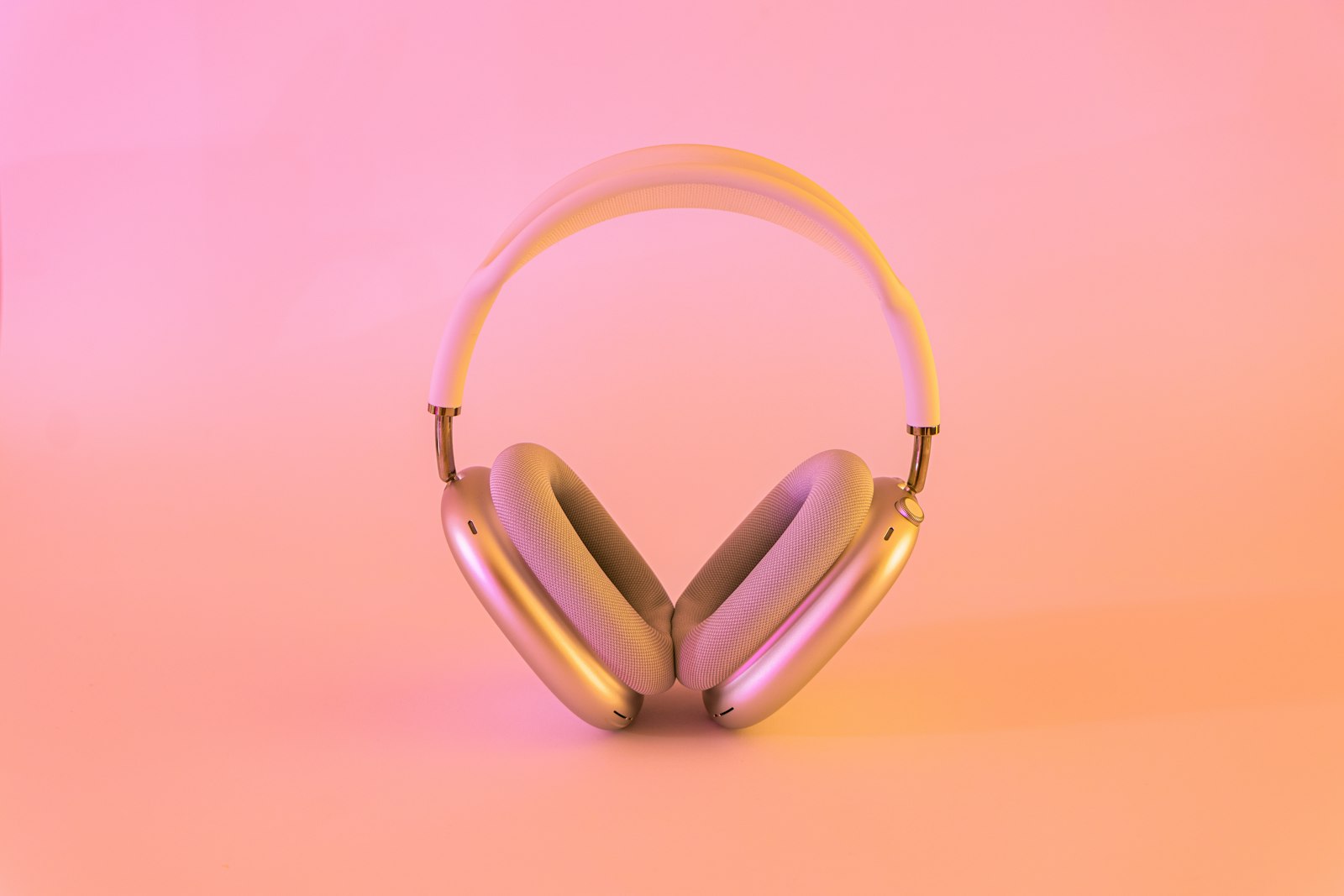
Isolating, reference-grade headphones for tracking and mixing.