Latest Articles
-
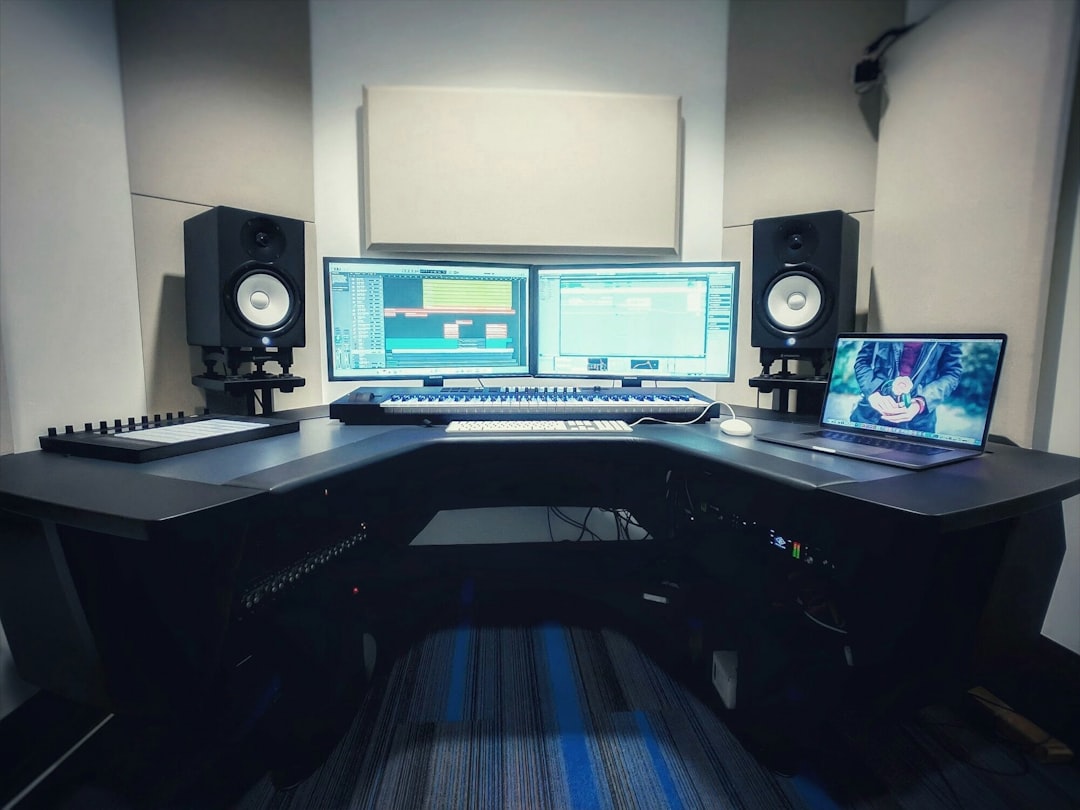
How to Choose a Recording Studio
How to choose a recording studio: what to evaluate in the engineer, room, gear, sample work, location, vibe and budget — plus a practical booking checklist.
-
Recording Studio Rates Explained
Recording studio rates explained: hourly vs day vs per-song pricing, what’s bundled in, why rates vary by city and tier, and how to read a rate card.
-
How Much Does It Cost to Record a Song?
How much does it cost to record a song? See realistic studio, producer and mixing cost ranges, what drives the price, and practical ways to spend less.
-
Acoustic Treatment vs Room Correction
Treatment vs room correction: physical absorption fixes reverb, modes and reflections; software EQ flattens tone. Here is what each does and the right order.
-
Is Room Correction Worth It?
Is room correction worth it? Often yes as a finishing layer after treatment, rarely as a substitute for it. Here is when it helps and when it won’t.
-
What Is Room Correction Software?
Room correction software measures your room with a mic and applies digital EQ to flatten the response at your mix position — what it fixes and what it…
-
How to Set Up Your Mix Position
A clear mix position setup guide: get the equilateral triangle, tweeter height, room symmetry and front-to-back placement right for an accurate, reliable mix.
-
What Is a Measurement Microphone?
A measurement microphone is a calibrated omnidirectional mic with a flat response, used with REW to measure room acoustics, RT60 and frequency response.
-
How to Use Room EQ Wizard (REW)
A beginner walkthrough of Room EQ Wizard (REW): set up your measurement mic, run a sweep, and read frequency response, RT60 and the waterfall plot.
-
How to Measure Your Room Acoustics
Learn how to measure room acoustics with a measurement mic and free REW software: capture a sweep, then read RT60, room modes and frequency response.