
Studio monitors come in different sizes designed for different listening distances. For home studios the choice is almost always nearfield – but it’s worth understanding why.
Nearfield monitors
Nearfields are designed to be listened to up close – roughly a metre away – so you hear mostly the speaker and less of the room. That makes them ideal for small, untreated or lightly treated rooms, which describes most home studios. They’re the default recommendation for a reason, and the best nearfield studio monitors cover almost every home setup.
Midfield monitors
Midfields are larger, louder and meant for bigger, treated control rooms where you sit further back. In a small room they’re usually overkill – they overload the space with bass and expose every acoustic problem.
Which should you choose?
- Bedroom / small room: nearfield monitors with 5-inch woofers are the sweet spot.
- Larger, treated room: bigger nearfields or midfields become an option.
- Either way: placement and treatment matter more than size.
Whatever you choose, getting them positioned correctly is what really counts – see how to position studio monitors and whether to mix on monitors or headphones.
Why listening distance is the whole point
The terms “nearfield” and “midfield” describe how far the speaker is meant to sit from your ears, not just how big it is. The further sound travels before it reaches you, the more it bounces off walls, the ceiling and the desk on the way. Those reflections arrive a fraction of a second after the direct sound and combine with it, colouring the tone and smearing the stereo image. What you end up judging is partly the speaker and partly the room.
Nearfields are a practical answer to a difficult problem. By sitting close, the direct sound from the speaker is much louder than the reflected sound, so the room has less say in what you hear. In a small home studio – where the walls are close and acoustic treatment is usually minimal – that ratio is your friend. Midfields work on the opposite assumption: a big, properly treated room where reflections are already controlled, so you can sit back and still trust what you hear. Put midfields in an untreated bedroom and you simply hear more of the problems, louder.
How to match monitor size to your room
Woofer size is the figure most people fixate on, and it is a reasonable shorthand for how much low end a monitor can produce. A larger woofer moves more air and reaches lower, but in a small room that extra bass has nowhere to go. It builds up in corners and against walls, creating peaks and nulls that make the low end sound either boomy or strangely absent depending on where you sit. The result is mixes that translate badly: bass that sounds fine on your monitors but wrong everywhere else.
As a rough guide, think about how far your listening position is from the speakers and how much space sits behind and beside them:
- Small bedroom or desk setup (listening distance around a metre): 5-inch nearfields. Easy to drive, controlled bass, forgiving of an imperfect room – see the best 5-inch studio monitors if you’re shopping this size.
- Medium spare room with some treatment: 6.5-inch to 7-inch nearfields if you want a bit more low-end extension and headroom.
- Large, treated control room with you sitting well back: 8-inch nearfields or true midfields start to make sense.
This 5-inch versus 8-inch decision plays out clearly within a single product line – our Yamaha HS5 vs HS8 comparison shows exactly how the same range scales from small-room nearfield to a larger monitor that needs more space behind it.
If you genuinely need more low end than your nearfields provide, adding a subwoofer is usually a better answer in a small room than jumping to bigger main speakers, because you can position and level it to suit the space rather than overwhelming it.
Common mistakes
The most frequent error is buying the biggest monitors a budget allows, on the assumption that bigger is better. In a small untreated room the opposite is often true – smaller monitors give you a tighter, more honest low end and are far easier to live with, which is why most picks for the best studio monitors for small rooms stay compact. A second mistake is ignoring placement entirely: shoving monitors flat against a wall, sitting them off-axis, or placing them at the wrong height so the tweeters fire above or below your ears. Even excellent monitors sound mediocre when positioned badly.
The third trap is expecting the speakers to fix a room. No monitor, however capable, compensates for strong reflections or untamed bass build-up. A modest pair of nearfields in a lightly treated room will out-perform expensive midfields in a bare, square box every time. Spend on treatment and positioning before you spend on size.
Frequently asked questions
Are bigger monitors always better for mixing?
No. Bigger monitors only help if your room can support them. In a small space, larger woofers excite room modes and exaggerate bass problems, which makes your mixes less reliable, not more. Most home studios mix more accurately on well-placed 5-inch nearfields than on oversized speakers.
Can I use midfield monitors in a small room?
You can, but it rarely helps. Midfields are designed to be heard from further away in a treated room, so up close in a small space you mostly get excess volume and an overloaded low end. Unless the room is sizeable and acoustically treated, nearfields are the better tool.
Do I need a subwoofer?
Not necessarily. A subwoofer can be useful if you work with bass-heavy genres and your nearfields don’t reach low enough, but it adds another variable to set up and integrate. Get your monitors placed and your room treated first – many people find they don’t need a sub once the existing low end behaves properly.
Shop related gear
Pick the right monitor size for your room:
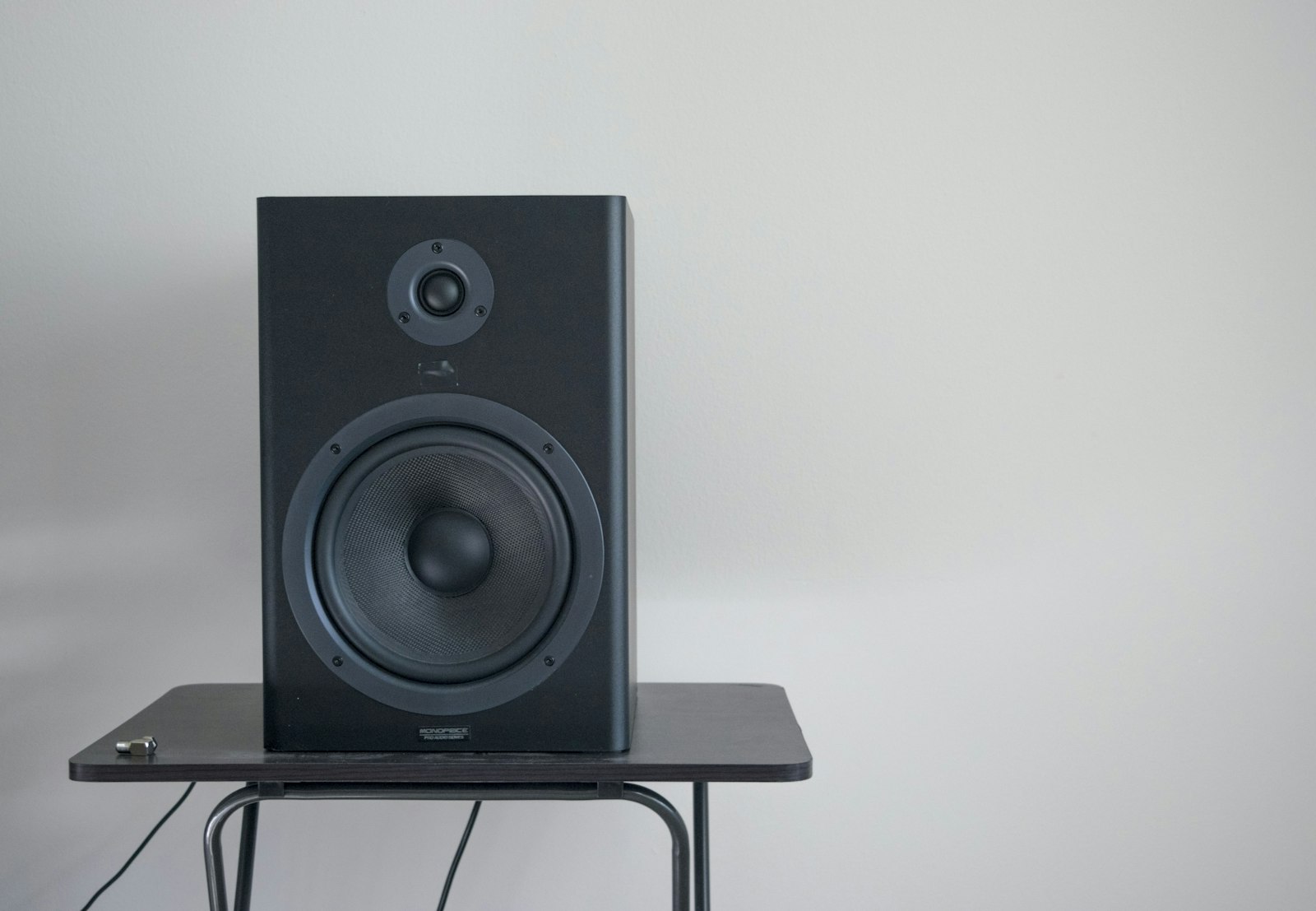
Versatile nearfield monitors — the home-studio standard for accurate mixing.
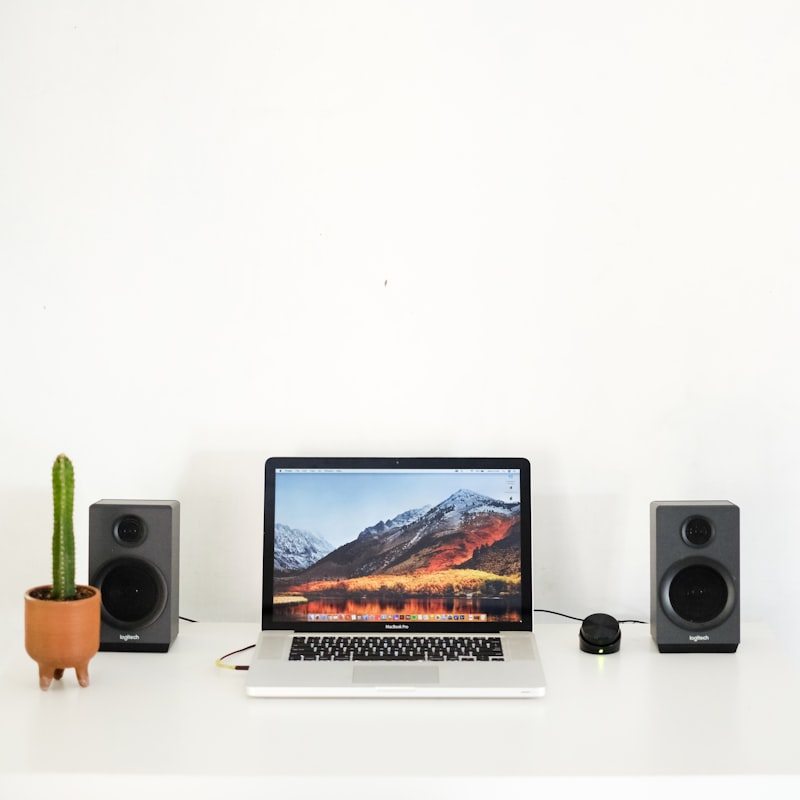
Larger nearfield/midfield monitors with extended low end for bigger rooms.



