
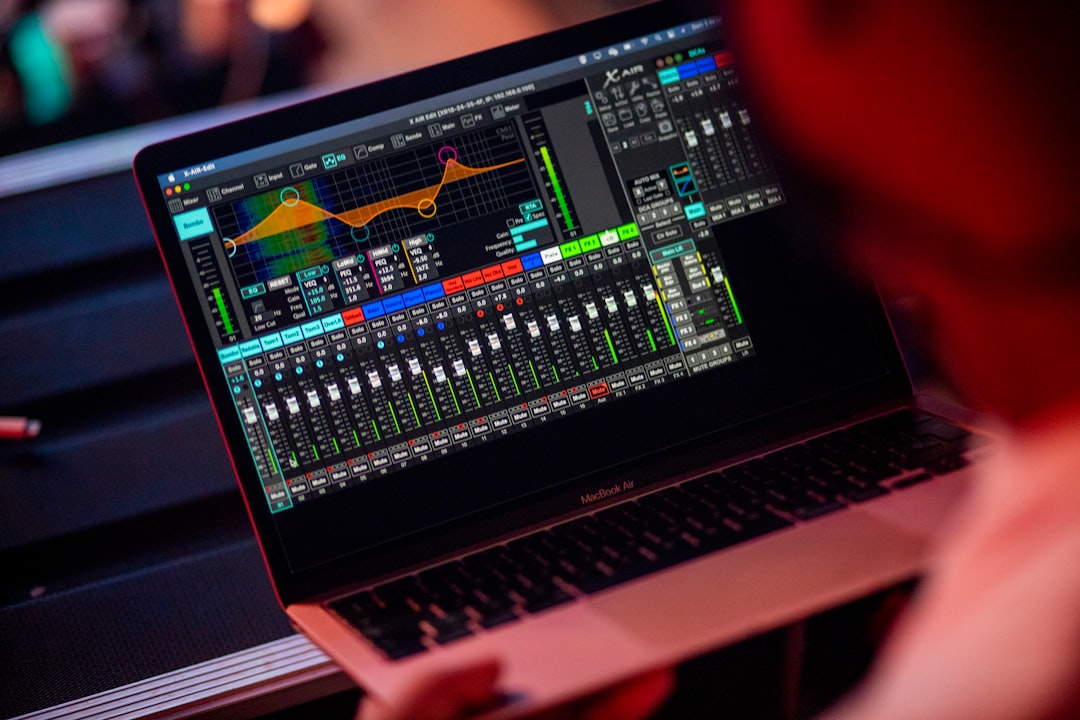
You can make money with AI music, but the realistic routes are less “overnight streaming riches” and more “use AI to produce useful audio faster and license it well.” AI is a production accelerator. The earnings still come from solving a real need: background music for creators, sync placements, stock libraries, services, and your own releases.
Before you monetise anything, be aware this is a legally unsettled, fast-moving space. The notes here are general information, not legal advice.
Realistic Ways to Make Money With AI Music
Here are the options that actually have demand, roughly from easiest to hardest:
- Background music for content creators. YouTubers, podcasters and TikTokers constantly need cheap, cleared music. Tools like Suno, Udio, Soundraw, Mubert and Boomy can generate beds quickly. See AI music for content creators and podcasts.
- Stock and royalty-free libraries. Upload tracks to libraries that accept AI content. Volume and consistency matter more than any single hit.
- Sync licensing. Pitching music for video, ads and games. Human polish and a strong brief-fit win placements.
- Productised services. Custom intros, jingles, loop packs or “song from a prompt” gigs for clients.
- Your own releases. Distributing tracks to streaming, where AI speeds up demoing and arrangement.
Sort Out Rights Before You Sell a Single Track
Monetisation depends on having the rights to monetise. Two things to confirm:
- Your tool’s commercial terms. Most platforms tie commercial use to a paid tier. Read the current terms. More in can you sell AI music.
- Your protection level. Purely AI-generated audio may be weakly protected, as explained in can you copyright AI music. Adding original human work helps.
And avoid the obvious trap: never build a product on a cloned voice of a real artist without permission. That’s a legal and ethical minefield, not a business model.
Use AI to Raise Quality, Not Just Quantity
The market is already filling with low-effort AI tracks, so quality is your edge. Treat AI output as a starting point and finish it like a real production:
- Arrange and edit the structure rather than shipping raw generations.
- Master the final track. An AI mastering tool such as LANDR or eMastered can get you loudness-competitive fast, or follow how to master a song with AI. If you are weighing your options, compare the best AI mastering services before you commit to one platform.
- Check loudness targets with our LUFS guide so your tracks translate across platforms.
How to Choose Your First Income Stream
Trying all five routes at once is the fastest way to do none of them well. Pick one based on what you already have, then expand once you have a system that works.
- If you have time but no audience, start with stock and royalty-free libraries. It rewards patience and volume, and you can build a catalogue in the background while you learn what sells.
- If you can write a brief and self-promote, productised services pay the fastest. A creator who needs a 15-second intro today will happily pay for it today, and one happy client tends to bring repeat work.
- If you understand a specific platform deeply, lean into content-creator music. Knowing exactly what a podcaster or short-form editor needs lets you supply ready-to-drop beds rather than generic loops.
- If you have real production chops, sync and your own releases reward polish. These are slower to land but carry the highest value per piece.
Whichever you choose, track which tracks or gigs actually earn, and make more of those. A small catalogue that sells beats a huge one that doesn’t.
Common Mistakes That Kill AI Music Income
Most people who fail to earn from AI music make the same handful of avoidable mistakes:
- Shipping raw generations. Unedited output usually has awkward structure, abrupt endings or a muddy low end. It reads as filler, and buyers can tell.
- Ignoring the terms of service. Selling work made on a free or personal tier can get your uploads pulled and your account banned. Confirm the commercial licence first, every time.
- Chasing volume over fit. A thousand generic tracks earn less than fifty well-tagged, well-mastered ones aimed at a clear use case.
- Skipping metadata. Stock and sync buyers search by mood, tempo, instrumentation and genre. Tracks with weak titles and no tags are effectively invisible.
- Inconsistent loudness. If your catalogue jumps from quiet to crushed, it sounds unprofessional in a playlist. Master to a consistent target.
Where Creators Actually Spend
If you want predictable income, sell where there’s recurring demand. Content creators need music every single week, which is why platform-specific knowledge pays off. Our guides on using AI music on TikTok and monetising AI music on YouTube are worth a read before you pick a niche.
Set Realistic Expectations
Stock and royalty-free income is typically a long game built on a large, consistent catalogue. Services and sync can pay more per piece but need outreach and polish. Treat AI as the tool that lets you produce more, better, faster, then put in the human work that makes any of it sellable.
It also helps to think in terms of a system rather than single tracks. The people who earn steadily tend to have a repeatable workflow: generate, arrange, mix, master, tag and distribute, then move to the next one without reinventing the process. That consistency is what turns a hobby into income over months, not days.
Frequently Asked Questions
Can I really earn a living from AI music?
Some people earn meaningful side income, especially serving content creators or building large stock catalogues. A full living is harder and usually combines several routes plus genuine production skill.
Do I need a paid AI plan to monetise?
Almost always. Free tiers are usually personal-use only. Confirm the current commercial terms of whichever tool you use.
Is selling AI music with no human input worth it?
It’s the most crowded, lowest-value end of the market and the weakest legally. Adding arrangement, mixing and original elements both differentiates your work and strengthens your rights.
How long before AI music starts earning?
Services can earn within days if you have someone to pitch to. Stock and streaming are slower, often months, because income builds as your catalogue and tags accumulate. Treat the early period as building inventory rather than waiting for a payout.



