
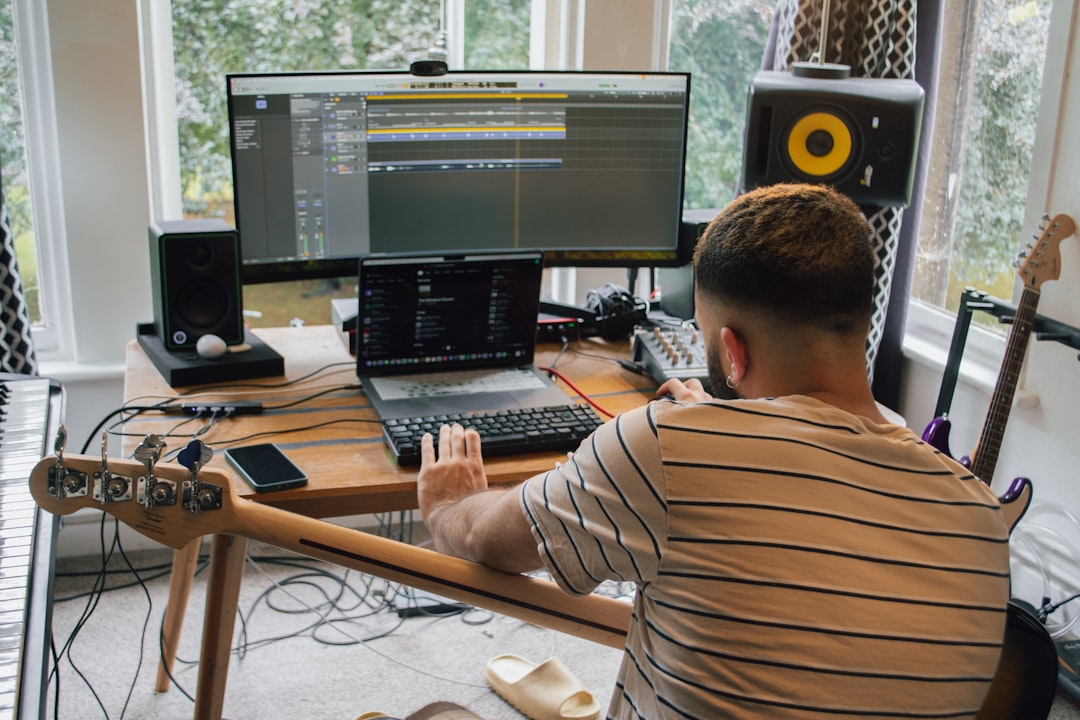
The best podcast microphone for most people is a dynamic mic with a cardioid (front-facing) pickup pattern, because it rejects room noise and forgives untreated rooms. If you record solo and want the simplest setup, a USB version gets you going in minutes; if you plan to grow the show or add co-hosts, an XLR mic into an interface gives you more headroom. This guide walks through how to choose, then points to specific picks.
Whether you call it a podcast mic or a microphone for podcasting, the same rule applies: the room you record in should decide the mic, not the other way round. The quick answer and buying guide below will get most new hosts to the right choice in a few minutes.
Quick answer
- Recording solo, untreated room, want plug-and-play: a USB dynamic cardioid mic.
- Want room to upgrade, multiple hosts, best long-term value: an XLR dynamic mic plus an audio interface.
- Quiet, treated space and you like a brighter, detailed sound: a large-diaphragm condenser.
What makes a good podcast microphone
Podcasting is mostly close-up speech in imperfect rooms, so the priorities are different from singing or instruments. A good podcast microphone should sound natural on the human voice, reject background noise, and stay easy to use across long sessions. Focus on these factors before you compare models.
Dynamic vs condenser
This is the first decision, and it matters more than the brand. Dynamic mics are less sensitive, so they pick up less of your room — ideal for spare bedrooms, echoey offices and shared spaces. Condenser mics are more sensitive and detailed, which sounds great in a quiet, treated room but also captures the fridge, the keyboard and the reflections off your walls. For a deeper comparison, see our guide to condenser vs dynamic microphones. For most home podcasters, a dynamic mic is the safer choice.
Polar pattern
You want a cardioid pattern, which is most sensitive in front and rejects sound from the sides and rear. That keeps your voice up front and your room down low. Avoid omnidirectional mics for podcasting unless you specifically need a roundtable pickup. If pickup patterns are new to you, read microphone polar patterns explained before buying.
USB vs XLR
USB mics plug straight into your computer and need no extra hardware — the analogue-to-digital converter and preamp are built in. They are the fastest path to recording. XLR mics need an audio interface or mixer, which adds cost but lets you upgrade mics, add channels and improve your converters later. If you are weighing the two, our breakdown of a USB mic vs an audio interface covers the trade-offs in detail. A reasonable rule: solo and simple, go USB; growing or multi-mic, go XLR.
Self-noise and output level
Some dynamic mics have a low output and need a lot of clean gain, which can introduce hiss if your interface preamp is weak or you add an inline preamp. Check that your interface or USB mic can drive the mic to a healthy level without cranking the gain into noise. Condensers generally have plenty of output but more self-noise on quiet passages.
Handling and plosive control
Podcasting means hours of close talking, table bumps and breath blasts. Look for a mic with a built-in or aftermarket shock mount and pair it with a pop filter or foam windscreen. Internal shock mounting reduces desk thumps; if you need to add one, see what a shock mount is and why it helps.
How to choose the right one for you
- Assess your room first. If it echoes or sits near noise, choose a dynamic cardioid mic. A treated booth or quiet room can handle a condenser.
- Count your voices. One host or remote guests recorded separately: a single USB or XLR mic is fine. Two or more people in the same room: plan for XLR mics and a multi-input interface.
- Set a realistic budget. Include the mic plus a stand or boom arm, a pop filter, and — for XLR — an interface and cable. The mic alone is only part of the cost.
- Match the mic to your gain. Low-output dynamics need an interface with strong, clean preamps. Confirm compatibility before you buy.
- Think about upgrade path. XLR keeps doors open; USB keeps things simple. Be honest about which one fits how you actually work.
Don’t forget the rest of the chain
The mic is only one link. A boom arm keeps the mic at a consistent distance and off the desk. A pop filter tames plosives. Even light acoustic treatment improves a dynamic mic noticeably — see acoustic treatment for home studios for low-cost fixes. And good gain staging matters as much as the mic itself: set levels so your voice peaks comfortably below clipping with a healthy margin. If you are setting up the whole show from scratch, our walkthrough on how to record a podcast at home ties the gear and workflow together.
Compared at a glance
| Pick | Why it stands out |
|---|---|
| Rode PodMic | The Rode PodMic is an XLR dynamic cardioid mic built specifically for broadcast and podcast voices, and it is one of… |
| Samson Q2U | The Samson Q2U is a dynamic cardioid mic with both USB and XLR outputs, which makes it a popular starter pick among… |
| Audio-Technica ATR2100x-USB | The Audio-Technica ATR2100x-USB is a dynamic cardioid mic with both USB-C and XLR connections, and it is a… |
| Shure SM7B | The Shure SM7B is a broadcast dynamic cardioid mic that has become something of an industry standard for podcasting… |
| Audio-Technica AT2020 | The Audio-Technica AT2020 is a large-diaphragm cardioid condenser that is widely recommended as an affordable,… |
Full picks and details below.
Best podcast microphone by setup: a quick matching guide
Most people searching for the best podcast microphone are really asking which podcast mic suits their room, their budget and the number of people on the show. Use the table below to shortlist, then read the full picks further down.
| Mic | Best for | Key feature |
|---|---|---|
| Rode PodMic | Home shows with an audio interface | Internal pop filter and shock mounting, XLR |
| Samson Q2U | First-time solo hosts | USB and XLR outputs on one dynamic mic |
| Audio-Technica ATR2100x-USB | Tight budgets with an upgrade path | USB-C plus XLR, onboard headphone jack |
| Shure SM7B | Serious, scalable studios | Broadcast tone and strong noise rejection |
| Audio-Technica AT2020 | Quiet, treated rooms | Detailed condenser sound (needs 48V phantom power) |
Budget bands for a podcast mic setup
Under $100: a dual USB/XLR dynamic such as the Samson Q2U or ATR2100x-USB, plugged straight into your computer. Add a foam windscreen and a desk stand and you can publish your first episode the same day.
Under $300: an XLR broadcast dynamic like the Rode PodMic plus an entry-level interface. This tier is where a microphone for podcasting starts to sound like radio, especially once you add a boom arm to keep the mic at a steady distance.
Over $300: a flagship dynamic such as the Shure SM7B, an interface with clean, high-gain preamps, and closed-back headphones. If you are pricing the whole rig, our guide to the best audio interface for podcasting covers which preamps can drive low-output mics without hiss.
Mic technique matters as much as the model
Even the best podcast microphone sounds thin or boomy if it is used badly. Keep a dynamic mic roughly a hand’s width from your mouth, speak slightly across the capsule rather than straight into it to soften plosives, and keep that distance consistent for the whole episode. Monitor yourself on headphones so you hear problems while you can still fix them. For more practical tips, read how to sound better on a podcast mic, and if you host guests in the same room, see how to record a podcast with multiple people.
The best podcast microphones
Each pick below targets a different need. We have kept the framing here so you can match a category to your situation; specific models, pricing and hands-on notes are added by our editor.
Best overall for most podcasters
A dynamic cardioid mic that sounds warm and natural on speech, rejects room noise well, and works for both solo and multi-host setups via XLR. This is the safe, do-everything recommendation.
Rode PodMic
The Rode PodMic is an XLR dynamic cardioid mic built specifically for broadcast and podcast voices, and it is one of the most widely recommended choices for home shows. It has an internal pop filter and shock mounting, a tight cardioid pattern that keeps room noise low, and a robust all-metal build. It is ideal for podcasters who already have (or are ready to buy) an audio interface and want a polished, radio-style voice without much fuss.
Best USB mic for beginners
A plug-and-play USB dynamic cardioid mic for solo hosts who want clean audio without buying an interface. Ideal first mic for an untreated room.
Samson Q2U
The Samson Q2U is a dynamic cardioid mic with both USB and XLR outputs, which makes it a popular starter pick among podcasters. You can plug it straight into a computer today and switch to an interface later without buying a new mic, and it includes a headphone jack for zero-latency monitoring. It is a strong choice for solo hosts in untreated rooms who want a low-risk first microphone with a clear upgrade path.
Best budget pick
An affordable dynamic mic that gets you broadcast-style sound on a tight budget, with the option to upgrade your interface later.
Audio-Technica ATR2100x-USB
The Audio-Technica ATR2100x-USB is a dynamic cardioid mic with both USB-C and XLR connections, and it is a long-standing budget favourite for podcasting. Like other dual-output dynamics it forgives untreated rooms and offers onboard headphone monitoring, but it tends to sit at the affordable end of the market. It suits cost-conscious hosts who still want the flexibility to move to an XLR setup down the line.
Best XLR mic for a growing show
A broadcast-favourite dynamic mic for hosts ready to invest in an interface and scale up to multiple channels. Strong noise rejection and a polished voice tone.
Shure SM7B
The Shure SM7B is a broadcast dynamic cardioid mic that has become something of an industry standard for podcasting and voiceover. It delivers a smooth, full-bodied voice with excellent room and noise rejection, though its low output means it pairs best with a strong, clean interface preamp or an inline gain booster. It is the pick for committed hosts building a serious, scalable studio who want a polished sound they will not outgrow.
Best condenser for treated rooms
A large-diaphragm condenser for podcasters with a quiet, acoustically treated space who want extra detail and air on the voice. Needs phantom power and a clean room.
Audio-Technica AT2020
The Audio-Technica AT2020 is a large-diaphragm cardioid condenser that is widely recommended as an affordable, detailed studio mic. It captures more air and clarity on the voice than a dynamic, but it also picks up far more of the room, so it needs phantom power and a reasonably quiet, treated space to shine. It is a good fit for podcasters who record in a controlled environment and want a brighter, more detailed sound.
Frequently asked questions
Is a USB or XLR microphone better for podcasting?
Neither is universally better — they suit different needs. USB mics are simpler and cheaper to start with because everything is built in, which makes them great for solo hosts. XLR mics need an audio interface but give you better long-term flexibility for adding hosts, upgrading gear and improving your converters. Choose USB for simplicity, XLR for room to grow.
Do I need a condenser microphone for podcasting?
No. Most podcasters are better served by a dynamic cardioid mic because it rejects room noise and forgives untreated spaces. Condensers sound detailed and bright but capture far more of your room, so only choose one if you record in a quiet, acoustically treated space.
What else do I need besides the microphone?
Plan for a sturdy boom arm or stand, a pop filter or windscreen, and an XLR cable plus an audio interface if you choose an XLR mic. A little acoustic treatment and careful gain staging will improve your sound more than spending extra on the mic itself.
What is the best podcast microphone for beginners?
For most beginners, a dual USB/XLR dynamic cardioid mic is the best starting point. It plugs straight into a computer today, rejects room noise in untreated spaces, and still works with an audio interface when you upgrade, so you do not have to replace the mic as the show grows.
Can two people share one podcast mic?
It is possible but rarely sounds good. A single cardioid mic favours whoever is directly in front of it, so the second voice ends up distant and roomy. Give each person their own microphone for podcasting and record through a multi-input interface, ideally onto separate tracks so you can balance levels in the edit.
Does the Shure SM7B need a preamp or booster?
Not always, but often. The SM7B has a low output, so it needs plenty of clean gain. Many modern interfaces can drive it, but if you find yourself turning the gain close to maximum and hearing hiss, an inline gain booster or an interface with stronger preamps will give you a cleaner signal.



