
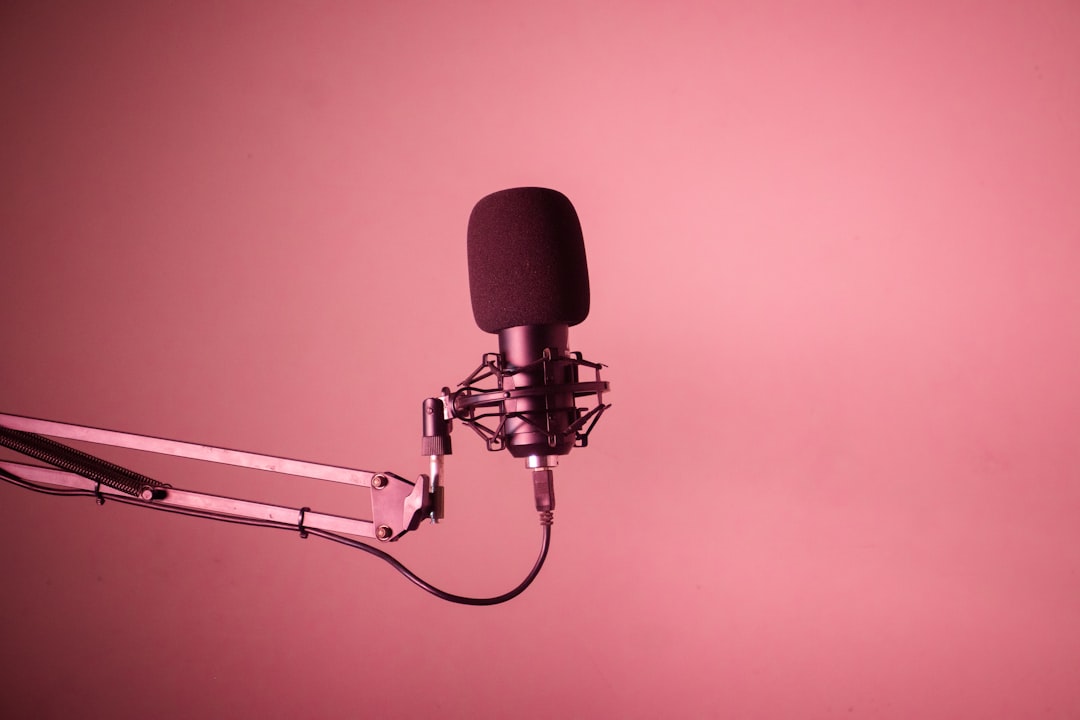
If you want one all-round microphone for recording music at home, a large-diaphragm condenser is the most versatile starting point: it captures vocals, acoustic guitar and most instruments with detail and warmth. That said, the “best” mic depends on what you record and whether you are plugging into an audio interface or going straight to USB.
Violet Recording is reader-supported — we may earn a commission from links on this page, at no extra cost to you.
Quick answer: for a versatile first mic, get a large-diaphragm condenser like the Audio-Technica AT2020, Rode NT1 or AKG P220 with an interface. For loud sources or untreated rooms, a dynamic like the Shure SM7B or SM58 is more forgiving. If you want plug-and-play simplicity, a USB condenser such as the Rode NT-USB works well.
How to choose a microphone for recording music
Match the mic to your sources, room and signal chain:
- Condenser vs dynamic: condensers are sensitive and detailed; dynamics are rugged and reject room noise. Our condenser vs dynamic guide explains when to reach for each.
- Diaphragm size: large-diaphragm condensers flatter vocals; small-diaphragm condensers excel on acoustic instruments. See large vs small diaphragm.
- Connection: XLR mics need an interface and (for condensers) phantom power. USB mics plug straight into a computer — compare options in USB mic vs audio interface.
- Your room: a bright, echoey room favours dynamics and close-miking until you add acoustic treatment.
It is worth being honest with yourself about your room before you spend on a mic. A sensitive condenser will faithfully capture every hard reflection, fan hum and bit of traffic noise from outside, so in an untreated bedroom a cheaper dynamic can actually give you a cleaner, more usable recording than a pricier condenser. Many home recordists chase a more expensive mic when a few absorption panels and better mic placement would have made the bigger difference. Spend on the weakest link in the chain first — and that link is often the room, not the microphone. If you are still narrowing the field, our broader microphone buying guide walks through the decision step by step.
Best all-round condenser mics
Large-diaphragm condensers are the most popular choice for home music recording. The Audio-Technica AT2020 is a long-time budget favourite, the Rode NT1 is famously low-noise and great for vocals, and the AKG P220 and Neumann TLM 102 (a step up) deliver professional results. Any of these will handle vocals, acoustic guitar, piano and more, and you can see more options in our roundup of the best condenser microphones.
When you compare condensers, look past the brand name to a few practical traits. Self-noise (quoted in dBA) matters most for quiet sources like soft vocals or fingerstyle guitar — a lower figure means less hiss to fight in the mix. A cardioid polar pattern is the safest single-pattern choice for home use because it focuses on what is in front and rejects the room behind; multi-pattern mics add flexibility you may not need at first. Most large-diaphragm condensers have a gentle presence lift in the upper range that adds “air” to vocals, which is flattering but can sound harsh on already-bright sources, so it is worth auditioning on your own voice if you can.
Best dynamic mics for tricky rooms
If your space is loud or untreated, a dynamic mic is more forgiving. The Shure SM7B is a studio staple for vocals and podcasts, the Shure SM58 is a rugged do-anything mic, and the Shure SM57 shines on snare and guitar amps. They reject room reflections and shrug off high volume — see more picks in our guide to the best dynamic microphones.
The one catch with dynamics is gain. Because they put out a much lower signal than condensers, you have to turn your preamp up further, and on quieter or noisier interfaces that can introduce hiss. Pairing a low-output dynamic like the SM7B with a clean, high-gain interface — or an inline gain booster — makes a real difference. Get your gain staging right and a good dynamic can sound remarkably close to a condenser on the same source, with far less room baggage.
Best USB mics for simplicity
When you want to record without an interface, a quality USB condenser is the easiest path. The Rode NT-USB, Audio-Technica AT2020USB+ and Blue Yeti are well-regarded for vocals, podcasts and demos, and you can compare more in our roundup of the best USB microphones. They sacrifice some upgrade flexibility, but the convenience is hard to beat for beginners.
Compare options in our USB mic vs audio interface guide, but the short version is this: a USB mic bundles the microphone, preamp and converter into one unit, so you cannot upgrade those pieces separately or run more than one mic at a time. For a single voice or instrument that is rarely a problem. If you think you will soon want to record two people at once, mic a drum kit, or grow into a proper signal chain, an XLR mic plus an interface is the more future-proof buy.
Mics for specific instruments
Recording one source type? Tailor your choice: small-diaphragm condensers (Rode M5, sE7) for acoustic guitar and overheads, dynamics for amps and drums, and a good LDC for vocals. Our walkthroughs on recording vocals at home and recording acoustic guitar show the technique side that matters as much as the gear.
Common mistakes when buying a first mic
A few avoidable errors trip up most beginners:
- Buying the mic before the room: as above, treatment and placement often beat an upgrade. A modest mic in a controlled space outperforms an expensive one in a reflective room.
- Forgetting phantom power: condensers need 48V to work. Make sure your interface supplies phantom power before you buy an XLR condenser.
- Recording too close without protection: singing right up against a mic causes plosive pops and boomy proximity effect. A pop filter and a hand-width of distance fix most of it.
- Chasing the “pro” mic too early: the gap between a good budget mic and a flagship is far smaller than the gap caused by poor technique. Learn the fundamentals first, then upgrade once you can hear what is limiting you.
Don’t forget the supporting cast
A mic is only part of the chain. You will also want a pop filter, a shock mount and a stand, plus clean gain. Read what a shock mount does and dial in levels with our gain staging guide. For more mic recommendations, browse the microphones category.
Frequently asked questions
What is the best first microphone for recording music?
A large-diaphragm condenser such as the Audio-Technica AT2020 or Rode NT1 paired with an audio interface is the most versatile first mic. It captures vocals and most acoustic instruments with detail and headroom for future upgrades.
Do I need a condenser or a dynamic microphone?
Use a condenser for detailed studio recording in a treated room, and a dynamic for loud sources, podcasts, or untreated rooms where you need to reject background noise and reflections.
Are USB microphones good enough for music?
Yes, for demos, vocals and podcasts a quality USB condenser sounds great and is simple to use. The main trade-off is flexibility: you cannot easily upgrade the preamp or add more mics like you can with an XLR-and-interface setup.
How much should I spend on my first recording mic?
You do not need to spend a lot to get a usable result. A solid budget large-diaphragm condenser or a workhorse dynamic, plus a basic interface, pop filter and stand, will cover almost everything a beginner records. Put any leftover budget toward acoustic treatment rather than a fancier mic — it usually improves your recordings more.



