
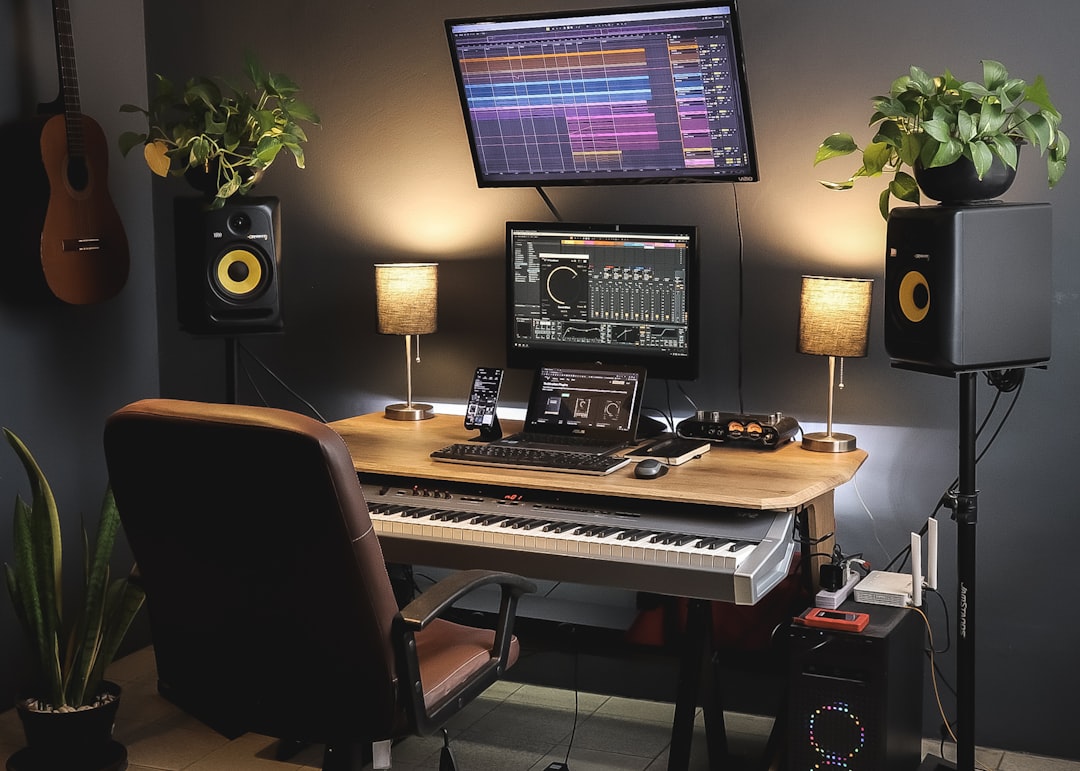
Dynamic mics are the workhorses of the studio: rugged, feedback-resistant, and forgiving in untreated rooms. The best dynamic microphones handle loud sources, reject room noise, and sound great on vocals, guitar amps, drums and broadcast voice. Here’s how to choose one and the real models that have earned their place in studios everywhere.
Quick answer
For vocals and broadcast, the Shure SM7B and Electro-Voice RE20 are the classics. For all-purpose use, the Shure SM57 and SM58 are studio staples. The Sennheiser MD 421 shines on toms, guitar cabs and voice, and the Beyerdynamic M88 is a versatile alternative.
Why dynamic mics belong in a home studio
Dynamic mics don’t need phantom power, tolerate high sound-pressure levels, and have a tighter pickup that ignores a lot of room reflections — a real advantage if your space isn’t treated. They’re less detailed in the highs than condensers, but that’s often flattering on aggressive or harsh sources. To understand the trade-offs, read condenser vs dynamic microphones and microphone polar patterns explained.
How dynamic microphones work
A dynamic mic is built around a moving-coil capsule: a thin diaphragm is attached to a coil of wire suspended in a magnetic field, and sound waves move the coil to generate a small voltage. Because that mechanism is passive and self-powered, there’s no need for external voltage to charge a capsule the way a condenser requires. The trade-off is that the moving mass of the coil reacts a little more slowly than the feather-light diaphragm of a condenser, which is exactly why dynamics sound smoother and less brittle in the top end. It also makes them extremely robust — you can put one in front of a screaming guitar cab or a cracking snare for years without worry.
How to choose a dynamic microphone
- Intended source: Some dynamics are voiced for vocals and broadcast (SM7B, RE20); others are built for instruments and amps (SM57). Match the mic to what you record most.
- Polar pattern: Most studio dynamics are cardioid, rejecting sound from the rear. This helps isolate the source and reject room noise.
- Output level and preamp needs: Some dynamics, notably the SM7B, have low output and benefit from a clean, high-gain preamp or an inline gain booster. Factor this into your interface choice.
- Handling and mounting: Built-in shock mounting and a good clip help; for desk use, pair with a boom arm from our microphone boom arms guide.
- Build and durability: Dynamics are famously tough, which is part of their appeal for busy studios and live-to-tape sessions.
Compared at a glance
| Pick | Why it stands out |
|---|---|
| Shure SM7B | The go-to broadcast and vocal dynamic, loved for its smooth, warm tone and excellent rejection of room noise and… |
| Electro-Voice RE20 | A broadcast legend with a large diaphragm and Variable-D design that minimises proximity effect, so the tone stays… |
| Shure SM57 and SM58 | The most recorded mics in history. |
| Sennheiser MD 421 and Beyerdynamic M88 | The MD 421 is a versatile dynamic that excels on toms, guitar cabinets and voice, with a switchable bass roll-off. |
Full picks and details below.
The best dynamic microphones for studio recording
Shure SM7B
The go-to broadcast and vocal dynamic, loved for its smooth, warm tone and excellent rejection of room noise and plosives. Its low output means you’ll want a clean, powerful preamp or an inline booster, but the results on voice and vocals are worth it. For a closer look at whether it fits your setup, see our Shure SM7B review.
Electro-Voice RE20
A broadcast legend with a large diaphragm and Variable-D design that minimises proximity effect, so the tone stays consistent as you move. Superb on voice, bass cabs and kick drum, and a favourite in podcast and radio booths.
Shure SM57 and SM58
The most recorded mics in history. The SM57 is the standard for snare drums and guitar amps; the SM58 adds a ball windscreen for vocals. If you’re unsure which to grab first, our breakdown of the SM57 vs SM58 spells out the differences. Cheap, indestructible and endlessly useful, every studio should own at least one.
Sennheiser MD 421 and Beyerdynamic M88
The MD 421 is a versatile dynamic that excels on toms, guitar cabinets and voice, with a switchable bass roll-off. The Beyerdynamic M88 is a hypercardioid dynamic prized for its detailed low end on vocals, kick and bass, and works well in tighter rooms.
Matching a dynamic mic to the source
Half the skill of using dynamics is sending the right mic to the right job. A few reliable starting points:
- Spoken voice and vocals: Reach for an SM7B or RE20 first. Their low-mid warmth flatters most voices, and their tight pattern keeps an untreated room out of the recording.
- Snare and guitar amps: The SM57 is the default for a reason — aim it at the edge of the speaker cone or just off the centre of the snare and adjust angle to taste.
- Toms and brass: The MD 421 handles the transients and volume comfortably and keeps body in the sound.
- Kick drum and bass cab: A large-diaphragm broadcast dynamic like the RE20, or a dedicated kick mic, captures the weight without distorting.
If you only buy one mic to start, an SM57 or SM58 covers an astonishing range of sources and will never become redundant as your locker grows.
Common mistakes to avoid
- Under-powering a low-output mic: Pushing an interface preamp to its limit to feed an SM7B introduces hiss. Use a clean, high-gain preamp or an inline booster instead.
- Working too far back: Dynamics are designed for close work. Back off too far and the level drops while the room creeps in, defeating the main reason you chose a dynamic.
- Ignoring proximity effect: Get very close and the low end swells. Use this deliberately for warmth, or pull back and re-angle if voices turn boomy.
- Skipping a pop filter on vocals: Even a forgiving capsule can be hit by plosives. A pop filter or a slight off-axis angle tames them.
Getting the best from a dynamic mic
Because dynamics need close placement, mind your distance and angle to control proximity effect and plosives — our vocal mic placement guide helps. Set gain carefully, especially with low-output mics, using our gain staging guide. And for full vocal sessions, see how to record vocals at home. The microphones hub has more on choosing and using mics.
Frequently asked questions
Do dynamic microphones need phantom power?
No. Standard dynamic mics work without phantom power. Leaving phantom power on usually won’t harm a balanced dynamic, but it’s unnecessary. Note that some active ribbon and inline boosters do require it — check the device.
Is a dynamic or condenser mic better for home recording?
It depends on your room. In an untreated space, a dynamic’s tighter pickup rejects more room noise and is more forgiving. A condenser captures more detail but also more of the room, so it benefits from treatment. Many studios keep both.
Why does my SM7B sound quiet and noisy?
The SM7B has low output and needs a lot of clean gain. If your interface preamp runs out of headroom, you’ll crank gain into its noisy range. A clean high-gain preamp or an inline gain booster fixes this.
Can I use a dynamic microphone for a whole song?
Yes. Plenty of records are tracked almost entirely on dynamics — vocals on an SM7B, snare and amps on SM57s, toms on MD 421s. They won’t give the airy top of a condenser, but for a focused, room-rejecting sound in an untreated space they can carry an entire production.



