
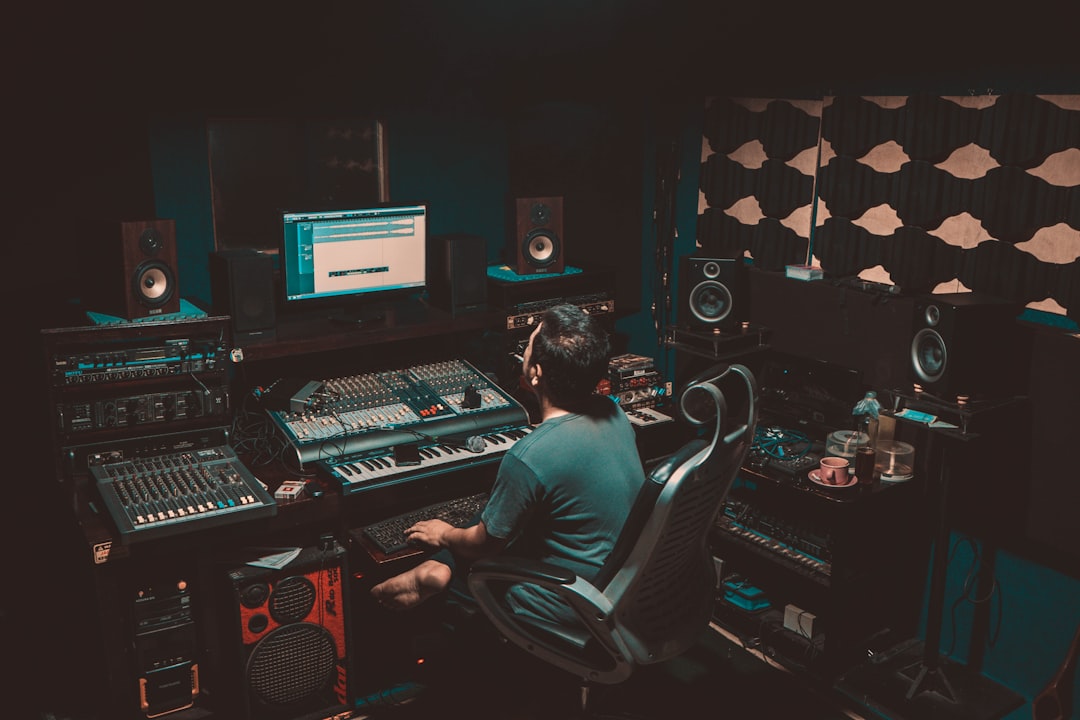
The best open-back headphones give you a wide, natural, speaker-like soundstage that makes mixing decisions easier and long sessions less fatiguing. By letting air through the earcups, they avoid the boxed-in feel of closed-back cans, at the cost of isolation and leakage. For mixing and critical listening at home, a neutral open-back pair is one of the most useful tools you can own. This guide explains how to choose, what matters, and where each pick fits.
Quick answer
- Mixing at home: a neutral open-back pair with a wide soundstage and even response.
- Mastering and critical detail: a high-resolution open-back reference pair, driven by a proper amp.
- Recording near a mic: open-back is the wrong choice; use closed-back for tracking.
- Watch impedance: high-ohm open-backs need a headphone amp or capable interface to perform.
Why open-back headphones suit mixing
Open-back headphones have perforated or grille-style earcups that let air and sound pass through. That design reduces the pressure build-up and resonance you get with sealed cups, producing a more open, natural and spacious sound. For mixing, that wider soundstage makes it easier to judge stereo placement, depth and reverb, and the more relaxed presentation is kinder over long sessions. The trade-off is that they offer almost no isolation and leak loudly, so they’re useless for tracking near a live microphone. The full comparison is in open-back vs closed-back headphones, and you can see the wider headphone picture in our guide to the best studio headphones.
How to choose the best open-back headphones
Neutral, reference-grade response
For mixing, look for open-backs described as flat, neutral, analytical or “reference.” Avoid anything voiced for hyped bass or sparkly treble. A neutral pair tells you the truth about your mix so it translates to other systems. Our guide to reference headphones explains the distinction, and our guide to the best headphones for mixing covers the wider category.
Soundstage and imaging
This is where open-backs shine. A wide, well-defined soundstage helps you place instruments accurately and judge depth. It also means open-backs over-expose stereo width, so be a little conservative with panning and reverb until you learn how yours translate.
Impedance and the need for an amp
Impedance (in ohms) tells you how much drive the headphones need. Low-impedance open-backs (around 32–80 ohms) run loud enough from a laptop or basic interface. High-impedance models (250 ohms and up) sound great but need a dedicated headphone amp or a capable interface, or they’ll be quiet and lifeless. Match the headphones to the gear you own.
Comfort and build
Open-backs are often lighter and cooler to wear because the cups breathe, which helps over long sessions. Still check clamp force, earpad material and weight, and favour replaceable pads and cables, since pads wear out before the drivers and a swappable cable saves the pair.
Accept the leakage
Open-backs leak sound both ways: people near you hear your audio, and you hear the room. They’re best in a quiet space where you’re working alone. If you share a room or record near a mic, you’ll also want a closed-back pair for those tasks.
Open-back for mixing, closed-back for tracking
The cleanest approach is to use each design for its strength. Open-backs for mixing and critical listening, closed-backs for recording where isolation matters so the click and backing don’t bleed into the take. Many home recordists own one of each. If you can only buy one and you also record near a mic, a good closed-back pair is the safer all-rounder, but for mixing specifically, open-back wins. For how this fits your workflow, see our beginner’s guide to mixing your first song.
If critical listening for pleasure is the bigger draw than mixing, our roundup of the best audiophile headphones looks at open-back designs voiced for home listening.
If you are choosing a pair as a present for someone who mostly listens rather than mixes, our roundup of gifts for music lovers covers headphones alongside other listening-focused ideas.
How to mix safely on open-back headphones
Open-backs reveal a lot, but headphones still differ from speakers. To keep your mixes translating:
- Reference commercial tracks you know well in the same headphones.
- Be conservative with panning and reverb until you know how yours sound.
- Take regular breaks to reset your ears.
- Check the final balance on at least one other system, and on monitors if you have them.
Pair them with solid fundamentals from our EQ and compression guide to make the most of what they reveal.
Compared at a glance
| Pick | Why it stands out |
|---|---|
| Sennheiser HD 600 | The Sennheiser HD 600 is an open-back reference headphone widely regarded as a benchmark for neutral, natural sound. |
| Sennheiser HD 650 | The Sennheiser HD 650 is an open-back reference headphone closely related to the HD 600 but with a slightly warmer,… |
| Sennheiser HD 560S | The Sennheiser HD 560S is an affordable open-back headphone voiced for a neutral, reference-leaning response with a… |
| Beyerdynamic DT 990 Pro (250 ohm) | The Beyerdynamic DT 990 Pro is an open-back headphone with a notably wide, airy soundstage and an analytical,… |
| AKG K712 Pro | The AKG K712 Pro is an open-back reference headphone known for its wide soundstage, lightweight feel and plush… |
Full picks and details below.
The best open-back headphones for mixing: our picks
These picks are organised by use case, chosen for neutrality, soundstage and value rather than spec-sheet bragging rights.
Best overall open-back headphones for mixing
A neutral open-back pair with a wide soundstage and even response, the do-it-all choice for home mixing.
Sennheiser HD 600
The Sennheiser HD 600 is an open-back reference headphone widely regarded as a benchmark for neutral, natural sound. It offers an even, uncoloured response and a spacious soundstage that makes stereo and depth decisions easier, though its higher impedance benefits from a proper headphone amp or capable interface. A perennial do-it-all favourite for home mixing.
Best for mastering and critical detail
A high-resolution open-back reference pair that reveals fine tonal detail, for the most precise decisions, paired with a proper amp.
Sennheiser HD 650
The Sennheiser HD 650 is an open-back reference headphone closely related to the HD 600 but with a slightly warmer, smoother voicing prized for long, forensic listening. It reveals fine tonal detail and reverb tails for precise decisions when driven by a dedicated headphone amp. A widely respected choice for mastering and critical detail work.
Best budget open-back pick
An honest, affordable open-back pair for beginners that runs fine from a laptop or entry interface.
Sennheiser HD 560S
The Sennheiser HD 560S is an affordable open-back headphone voiced for a neutral, reference-leaning response with a surprisingly wide soundstage for its tier. Its low impedance means it runs loud enough straight from a laptop or basic interface without a dedicated amp. A popular honest entry point for beginners getting into open-back mixing.
Best high-impedance open-back for a dedicated rig
For those running a real headphone amp who want the widest soundstage and the last word in detail.
Beyerdynamic DT 990 Pro (250 ohm)
The Beyerdynamic DT 990 Pro is an open-back headphone with a notably wide, airy soundstage and an analytical, detailed presentation. In its 250-ohm version it rewards a dedicated headphone amp or capable interface with excellent clarity and control. A widely recommended choice for a fixed mixing rig where detail and width are the priority.
Best comfortable pick for long sessions
A lightweight, breathable open-back pair built for hours of mixing without fatigue.
AKG K712 Pro
The AKG K712 Pro is an open-back reference headphone known for its wide soundstage, lightweight feel and plush velour earpads that stay comfortable over long sessions. It pairs an even, spacious response with a self-adjusting headband that eases clamp pressure during extended mixing. A popular choice for those who prioritise comfort across hours at the desk.
Setting up your open-back headphones
Once your pair arrives, drive them properly, work in a quiet space where leakage isn’t a problem, reference against known tracks, and cross-check on another system before you finish. If you also want speakers, see our guide to the best studio monitors, and browse more options on the studio monitors and headphones hub.
Frequently asked questions
Are open-back headphones better for mixing?
For mixing, yes. Open-back headphones give a wider, more natural soundstage that makes stereo and depth decisions easier, and they’re less fatiguing over long sessions. The catch is no isolation and heavy leakage, so they’re poor for recording near a live microphone, where closed-back is the right choice.
Can I use open-back headphones for recording?
Not near a live microphone. Open-backs leak sound loudly, so your click track and backing would bleed into the take. Use closed-back headphones for tracking and save open-backs for mixing, editing and critical listening in a quiet space.
Do open-back headphones need an amp?
It depends on impedance. Low-impedance open-backs (roughly 32–80 ohms) play loud enough from a laptop or basic interface. High-impedance models (250 ohms or more) usually need a dedicated headphone amp or a capable interface to reach full volume and perform at their best.



