
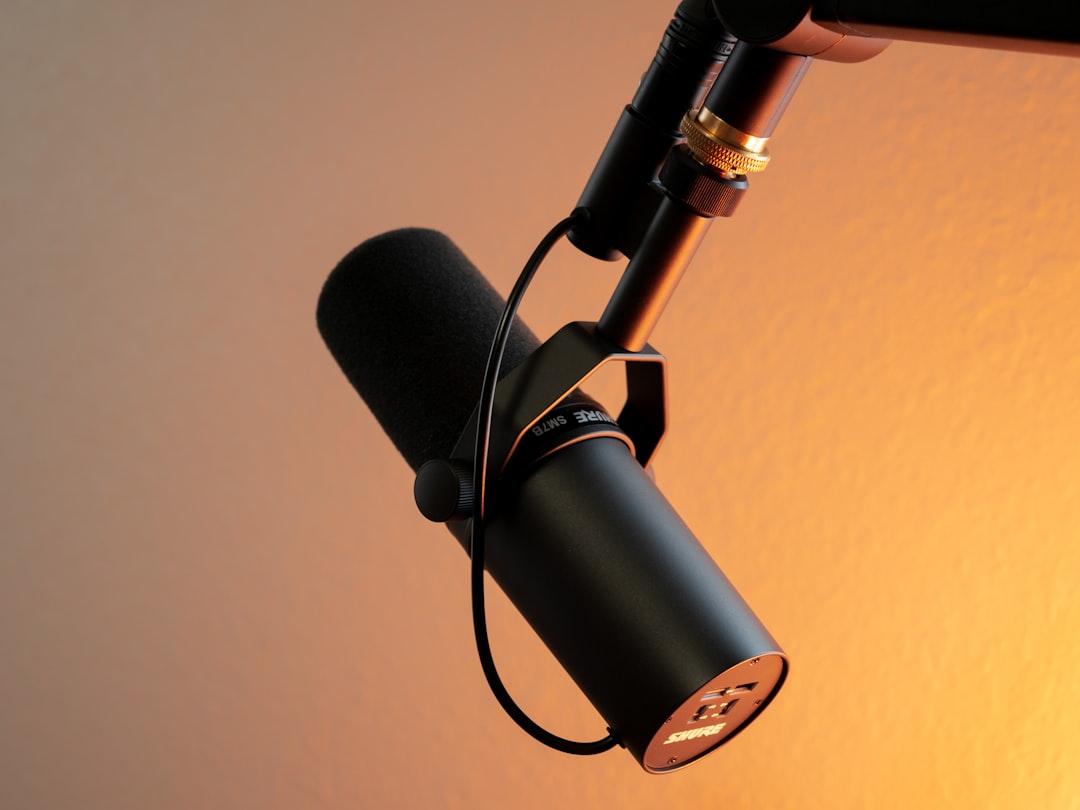
In the AT2020 vs NT1 comparison, both are cardioid large-diaphragm condensers aimed at home-studio vocals and acoustic sources, but they sit at different points. The Audio-Technica AT2020 is the affordable, neutral entry point that millions of home studios start with. The Rode NT1 (5th generation) costs more and delivers exceptionally low self-noise, a smoother top end and a fuller accessory bundle.
Violet Recording is reader-supported — we may earn a commission from links on this page, at no extra cost to you.
AT2020 vs NT1 at a glance
| Feature | Audio-Technica AT2020 | Rode NT1 (5th gen) |
|---|---|---|
| Type | Cardioid LDC | Cardioid LDC |
| Self-noise | Low (good for the class) | Extremely low (class-leading) |
| Sound character | Neutral, slightly forward | Smooth, refined, airy top |
| Connectivity | XLR (USB version available) | XLR and USB in one (5th gen) |
| Included accessories | Stand mount (basic) | Shock mount + pop filter |
| Phantom power | Required | Required |
Both need 48V phantom power and both are large-diaphragm condensers, so they share the same strengths and the same sensitivity to room acoustics.
Self-noise and clarity
The clearest technical gap is self-noise. The NT1 is renowned as one of the quietest condensers at any price, which means cleaner recordings of soft sources like fingerpicked guitar or intimate vocals with very little hiss. The AT2020 is quiet enough for most home use, but on very quiet passages with a lot of gain, the difference becomes audible. If you record delicate, dynamic material, the NT1 has the edge.
Why does this matter in practice? Self-noise is the constant hiss a microphone generates on its own, before any sound reaches it. When you record a loud, close source like a belted vocal, you apply little gain and the hiss stays buried. But quiet sources — a softly spoken podcast intro, fingerstyle acoustic guitar, or a whispered ASMR take — force you to push the preamp gain much higher, and every extra decibel of gain lifts that noise floor along with the signal. With the NT1 you have more headroom before hiss becomes distracting, which can mean the difference between a clean take and one that needs noise reduction in post. The AT2020 is far from noisy for its price, but it simply was not engineered to chase the same ultra-low figure.
Sound character
The AT2020 is fairly neutral with a gentle presence lift — it is honest and easy to work with, leaving you room to shape it in the mix. The NT1 has a smoother, more “finished” top end with a flattering sense of air, often described as a more expensive-sounding voicing straight out of the box. Neither is harsh, but the NT1 generally needs less corrective EQ on bright vocals. Whichever you choose, technique drives the result, so read microphone placement for vocals.
It is worth being honest about how much voicing matters at this level. Both mics are capable, and a good source recorded with good technique in a decent room will sound great on either. The NT1 flatters certain voices instantly, but a neutral mic like the AT2020 is arguably more versatile across many sources because it imposes less of its own character. If you mix your own recordings and enjoy shaping tone, neutrality is a feature, not a compromise.
Connectivity and accessories
The standard AT2020 is XLR only (a separate USB model exists), and it ships with a simple stand mount. The 5th-generation NT1 includes both XLR and USB-C outputs in a single body — a genuine convenience if you want to start on a laptop and move to an interface later — and it comes with a quality shock mount and pop filter in the box. Factoring in those included accessories narrows the real-world price gap. If you are weighing up which generation to buy, our NT1 vs NT1-A comparison explains how the newer body differs from the classic.
That bundled gear is easy to overlook but adds up. A decent shock mount and pop filter bought separately cost real money, and you genuinely need both: the shock mount isolates the capsule from desk knocks and floor vibration, while the pop filter tames the blasts of air from plosive consonants such as “p” and “b”. With the AT2020 you should budget for these from day one, so compare total cost rather than headline price alone.
Room considerations for both
Both mics are sensitive condensers, so they capture the room as much as the source. In an untreated, echoey space, neither will sound its best, and a dynamic might serve you better, as our condenser vs dynamic guide explains. A little acoustic treatment behind and around the mic improves both dramatically.
How to choose between them
Rather than asking which mic is “better”, match the mic to how you actually work. A few honest questions cut through the debate:
- What are you recording? Loud, close vocals and spoken voiceover forgive almost anything, and the AT2020 shines here. Quiet, dynamic acoustic sources reward the NT1’s lower self-noise.
- Do you have an interface? If you already own an interface with phantom power, both are equally easy to run. If you want to start straight from a laptop, the NT1’s built-in USB output removes a purchase.
- Is your room treated? If not, treatment will improve your sound more than the choice between these two mics ever will. Spend there first.
- Do you mix yourself? If you enjoy EQ and shaping tone, the neutral AT2020 gives you a clean canvas. If you want a flattering sound with minimal fuss, the NT1 gets you closer out of the box.
Common mistakes to avoid
Whichever mic you land on, a handful of avoidable errors undermine the result more than the hardware ever could. Recording too far from the mic is the most common: large-diaphragm condensers are designed for fairly close work, and backing off lets the room dominate. Forgetting phantom power is another classic — a condenser will be silent or barely audible until 48V is switched on at the interface. Skipping the pop filter leaves harsh plosives baked into the take that EQ cannot fully fix. Finally, setting gain too high to chase a loud meter invites clipping and drags up the noise floor; aim for healthy peaks with comfortable headroom instead.
Which should you choose?
Choose the AT2020 if you want a proven, affordable first condenser, you mostly record in a treated room, and you are happy to add your own shock mount and pop filter. It is one of the best value entry points in recording.
Choose the Rode NT1 if you want the quietest, most refined result, value the included shock mount and pop filter, or want the flexibility of XLR and USB in one body. It is the better long-term mic if your budget allows. Explore more in our microphones category.
Frequently asked questions
Is the Rode NT1 worth the extra money over the AT2020?
If you record quiet or dynamic sources, value lower self-noise, and want the included shock mount, pop filter and USB/XLR connectivity, yes. For a tight budget or simple voiceover, the AT2020 still sounds excellent and saves money.
Do the AT2020 and NT1 both need an audio interface?
The standard AT2020 needs an interface to supply phantom power. The 5th-generation NT1 has a USB-C output, so it can connect directly to a computer, as well as an XLR output for use with an interface.
Which is better for vocals in an untreated room?
Both are sensitive condensers that pick up room reflections, so neither is ideal in an untreated room. If you cannot add acoustic treatment, a dynamic mic will usually give cleaner vocals than either of these condensers.
Can beginners get good results from either mic?
Yes. Both are well within reach for a first serious microphone, and the bigger variables are your room, your mic placement and your gain staging. Get those right and either mic will sound far better than its price suggests.



