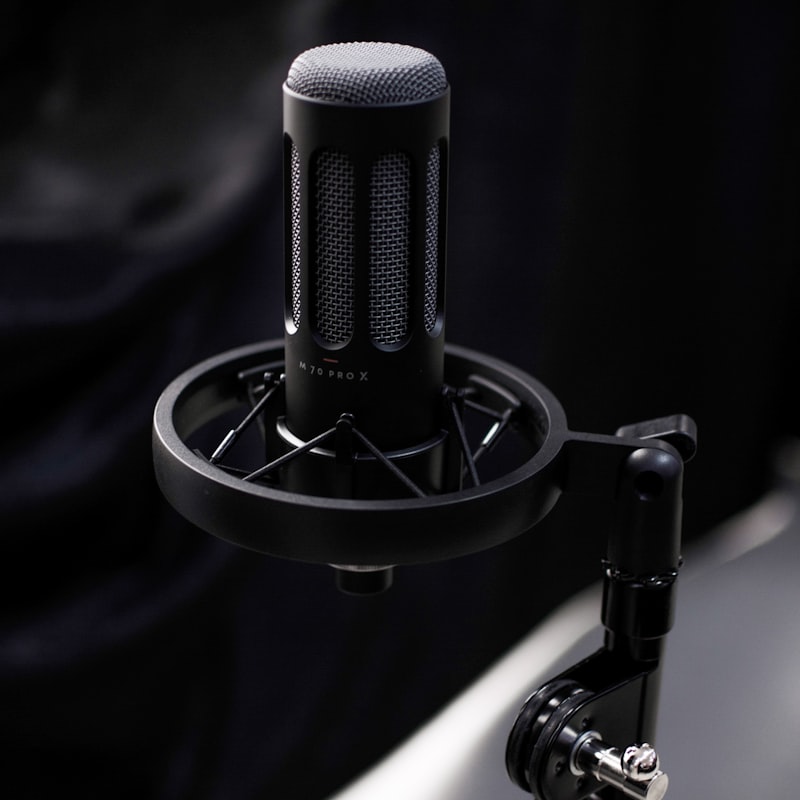
The Royer R-121 is one of the most established modern ribbon microphones, and it’s the reference point a lot of other ribbons are measured against. Like all ribbons, it uses a thin corrugated element in a magnetic field rather than a capsule, giving it a naturally smooth, rolled-off top end and a figure-eight pattern that picks up front and back equally while rejecting the sides.
Where a condenser can sound clinical or forward, the R-121 tends to sound darker and more forgiving, which is why it’s long been a favorite on guitar cabs, brass and strings — sources that are already bright or aggressive and benefit from smoothing rather than added sparkle. Its passive ribbon design runs quieter than a condenser, so a clean, high-gain preamp matters more here than usual.
- Figure-eight pattern, useful for room sound and duo miking but with no rear rejection
- Passive ribbon design, with low output that leans on a clean, high-gain preamp
- A ribbon element that should never be hit with phantom power or a stray gust of air
- A natural, rolled-off top end suited to taming already-bright sources
It suits engineers and musicians after character and smoothing on guitar cabs, brass, strings and room miking, rather than a do-everything first mic for someone starting from scratch.
Compare ribbon options in the shop category.