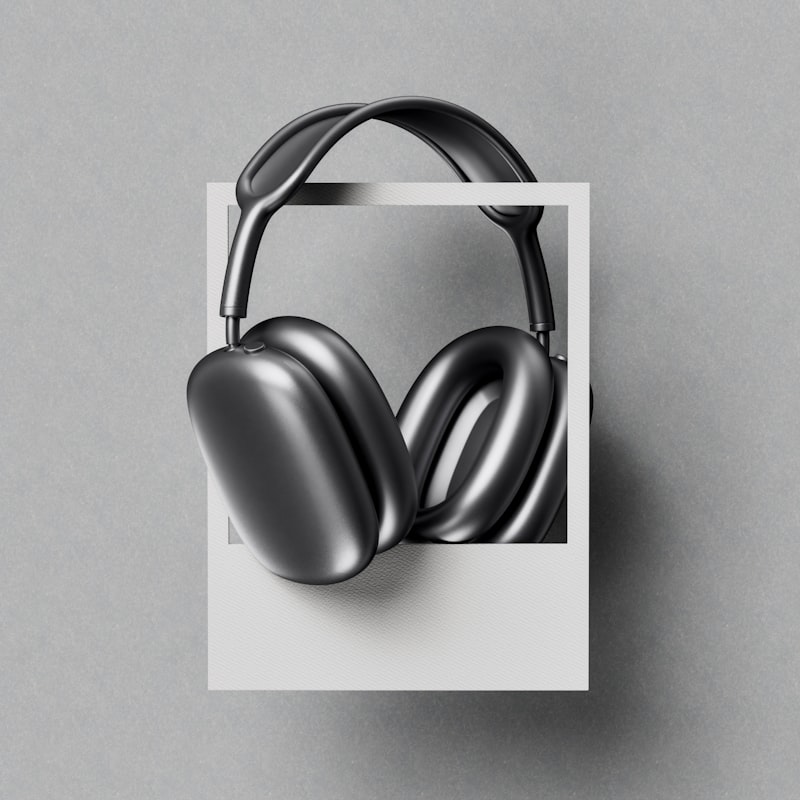
Tracking headphones are the pair fed through a cue or monitor mix to a performer while a microphone is live in the room. The overriding priority is isolation: sound leaking out of the headphones and back into a sensitive condenser mic can ruin an otherwise clean take, so a good seal matters more here than perfect tonal neutrality. Durability matters too, since these get handed to different performers, adjusted to fit different head sizes, and worn for hours during a long session.
The Sony MDR-7506 has held its place as a standard tracking and broadcast pair for a long time, and the reasons are practical rather than glamorous: a folding, coiled-cable design that survives being packed and unpacked constantly, a firm seal that keeps cue mix out of nearby mics, and clear enough mids that a vocalist or player can reliably hear pitch and timing against a click or backing track. It isn’t tuned to flatter a mix the way a dedicated mixing pair is, but tracking was never its job in the first place.
- Isolation strong enough to stop cue-mix bleed from reaching nearby microphones, especially sensitive condensers picking up quiet detail.
- Comfortable, secure clamping for long tracking sessions without fatigue setting in halfway through a take.
- Clear enough mids that a performer can reliably hear pitch and timing against the rest of the mix.
- Durable cable, headband, and cups built for daily studio handling and multiple performers rather than occasional home use.
These are the standard choice for engineers tracking vocals or instruments and for home studio owners recording overdubs, where keeping headphone spill out of the mic is the main technical concern above all else. A dedicated tracking pair like this is also worth keeping separate from a mixing or reference pair, since the two categories are optimized for genuinely different jobs. See the full shortlist of tracking headphones we recommend.