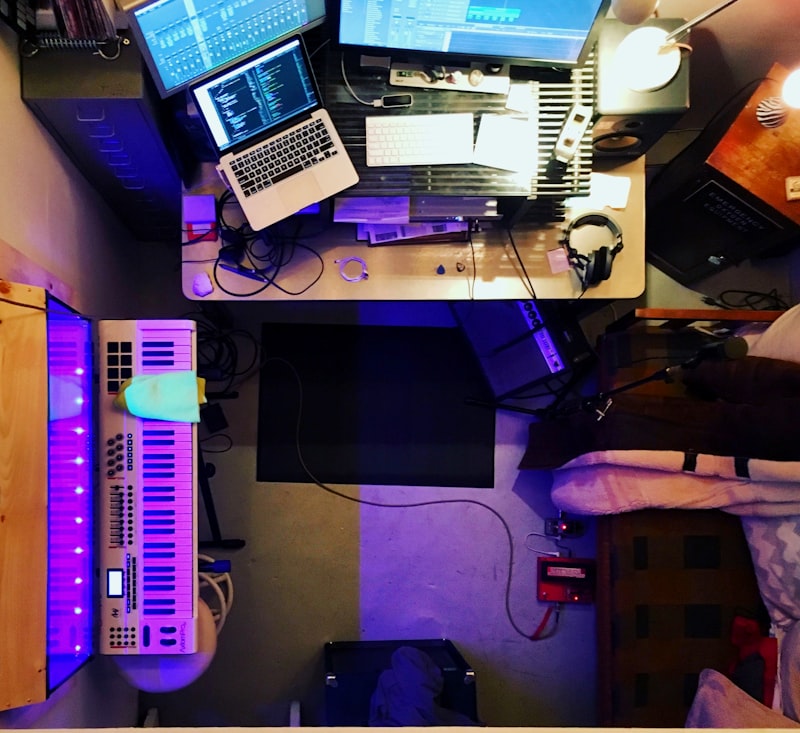
The Mogami Gold Studio XLR cable is one of the most consistently recommended cables in professional and home studios alike, built around Mogami’s well-regarded cable stock and terminated with Neutrik connectors — a combination that shows up in a lot of “best cable” recommendations for good reason. It’s not the cheapest XLR cable available, but the reputation comes from connector reliability and shielding quality holding up over years of regular use, not marketing.
The Neutrik connectors are solidly built and well strain-relieved, which matters most in exactly the situation that ruins a cheap cable: repeated flexing at the connector where it plugs into a mic or interface. That’s typically where budget cables develop the intermittent crackle or dropout that’s maddening to troubleshoot mid-session. Mogami’s shielding also holds up well in rooms with meaningful electrical interference nearby — computer monitors, dimmer switches, or other unbalanced cabling — keeping hum and interference out of a balanced signal path.
- Length matched to the actual run, with a little slack rather than a tight fit
- Neutrik-terminated ends if connector reliability over years of use matters
- A few spares on hand, since even a good cable is still a common point of failure
- Shielding quality prioritized in rooms with noticeable electrical interference
It’s one of the least exciting purchases in a studio, but a well-made cable like this is one of the more reliable ways to rule out mystery noise and dropouts. Browse it alongside other options in the full shortlist.