
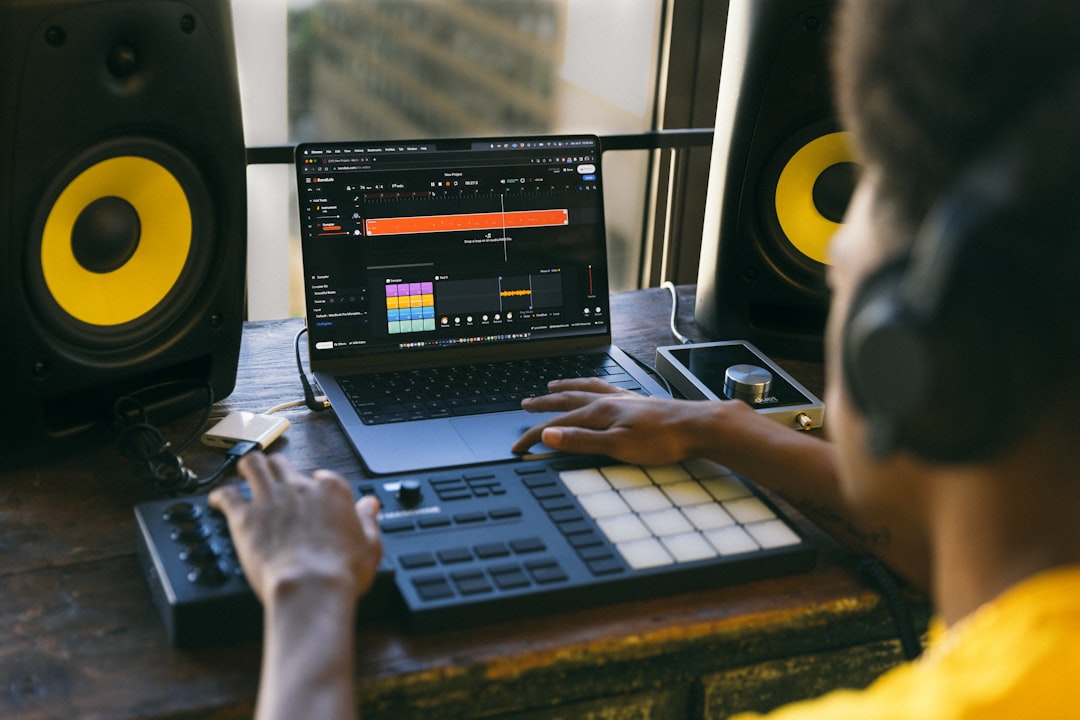
The fastest way to understand how to make EDM is to think in sections: a catchy chord progression and melody, a tension-building rise, and a big, energetic drop. Set your tempo (commonly 128 BPM), program punchy drums, design a strong lead, then arrange around builds and drops and mix it loud and clean. Here’s a practical walkthrough.
Start with chords and a melody
Most EDM is built on a simple, emotional chord progression — often four chords looped. Write your progression first (a common move is a vi–IV–I–V style loop), then write a memorable melody over it. This melody usually becomes your drop lead, so make it strong. Keep it singable and not too busy.
Program the drums
EDM drums are punchy and driving. The backbone is four-on-the-floor (a kick on every beat) at around 126–130 BPM for many styles:
- Kick on every beat, sidechained against bass and pads for pump.
- Clap/snare on beats 2 and 4.
- Hi-hats in eighths and sixteenths with off-beat open hats.
- Percussion and crash cymbals to accent section changes.
Design the bass and lead
The bass should sit cleanly beneath the kick — sidechain it so the two don’t clash. For the drop, design a big lead using a synth: stack detuned saw waves (a supersaw) for width, add some sub for weight, and process with EQ and reverb. The drop lead usually plays the main melody, so it needs to be loud, wide and exciting.
Arrange around builds and drops
EDM arrangement is all about tension and release. A typical structure:
- Intro — set the mood, introduce the chords.
- Build-up — rising elements, snare rolls, white-noise sweeps, filter automation and a final silence or impact.
- Drop — the full-energy payoff with your lead, bass and drums.
- Breakdown — strip back for an emotional moment, often with vocals or pads.
- Second build and drop, then an outro.
The build-up is where you create anticipation — risers, drum rolls and rising filters all point the listener toward the drop.
Sound design your signature sounds
A lot of what makes EDM exciting comes down to sound design. You don’t need to build everything from scratch, but understanding the basics helps you shape presets to fit your track:
- Supersaw leads — stack detuned saw waves and widen them for the big festival sound.
- Pluck and chord stabs — short envelopes for rhythmic energy.
- Sub bass — a clean sine under the main bass for low-end weight.
- FX layers — risers, downlifters, white-noise sweeps and impacts to glue sections together.
Spend time on your drop lead in particular. Layering two or three sounds — a bright lead, a sub and a mid-range texture — usually sounds fuller than one preset alone.
Build energy with transitions
Transitions are where amateur and polished EDM tracks differ most. Smooth the joins between sections with risers that climb into the drop, snare or drum rolls that accelerate, a beat of silence right before the drop for impact, and crash cymbals to mark the downbeat. Reverse cymbals and filter sweeps help pull the listener from one section to the next. These small details create the anticipation that makes a drop feel huge.
How to choose a sub-genre and reference track
“EDM” is an umbrella term, and the production choices that make a great big-room house track are different from those that suit future bass or melodic dubstep. Before you start, decide roughly which sound you’re aiming for, because it shapes your tempo, your drum pattern and your drop. A few popular starting points:
- Progressive and big-room house — straight four-on-the-floor, simple anthemic leads and a clear drop. The most beginner-friendly entry point.
- Future bass — lush, pitch-bent supersaw chords, a half-time drum feel and heavy use of vocal chops; if it’s the sound you’re chasing, our guide to how to make future bass goes deeper.
- Melodic dubstep — emotional breakdowns leading into a heavier, more rhythmic drop with growling mid-range bass.
Once you’ve picked a lane, choose one or two professional reference tracks in that style and keep them on a muted channel in your project. A/B your work against them constantly: are your kick and bass as loud and clean? Is your drop as wide? Is your arrangement as long, or does it sprawl? Referencing is the single fastest way to close the gap between a bedroom demo and a release-ready record, and it stops you guessing about tone, loudness and arrangement length.
Common mistakes to avoid
Most early EDM tracks stumble on a handful of recurring issues. Watch for these:
- A muddy low end. The kick and bass are fighting for the same frequencies. Sidechain the bass to the kick and carve space with EQ so each has its own pocket.
- Weak drops. A drop feels small when it isn’t contrasted by a quieter build or breakdown. Energy is relative — pull back before the drop so it hits harder.
- Over-layering. Stacking ten sounds on a lead usually makes it smaller and messier, not bigger. Two or three well-chosen layers, each filling a different frequency range, beats a wall of mush.
- Arrangements that never change. Looping the same eight bars for three minutes loses the listener. Add fills, drop elements out, and automate filters to keep movement.
- Mastering too loud too early. Crushing the master with a limiter to chase loudness squashes the punch out of your drums. Get the mix balanced first, then push loudness carefully.
Mix and master loud and clean
EDM is mixed to be powerful and loud. Use sidechain compression for that pumping feel, EQ each element so it has its own space, and keep the low end mono and controlled — our EQ and compression fundamentals guide explains the moves. Maintain clean gain staging for headroom, and if you’re new to mixing, start with the beginner’s guide to mixing your first song. For competitive loudness without crushing your master, read LUFS explained. More is in the mixing and mastering hub.
Frequently asked questions
What BPM is EDM?
It depends on the sub-genre. Big-room and progressive house EDM often sit around 126–130 BPM, future bass tends toward 140–160 BPM (half-time feel), and dubstep is usually 140 BPM. 128 BPM is a common starting point.
What’s the most important part of an EDM track?
The drop. It’s the high-energy payoff the whole arrangement builds toward, combining your main melody, lead, bass and full drums. A strong, memorable drop is what makes an EDM track land.
Which DAW is best for making EDM?
FL Studio and Ableton Live are both extremely popular for EDM, and Logic Pro, Reaper and Studio One are fully capable too. Any modern DAW with a good synth will do — pick the one you enjoy using.
Do I need expensive plugins to make EDM?
No. Modern DAWs ship with capable synths, EQs, compressors and effects that are more than enough for a polished, releasable track. A versatile subtractive synth and a good limiter cover most of EDM’s signature sounds. Spend time learning the tools you already have before buying more — sound design skill matters far more than your plugin list.
How long should an EDM track be?
For streaming and listening, aim for roughly three to four minutes with two drops. Club and DJ-friendly versions are often longer, with extended intros and outros of beatless or beat-driven bars so DJs can mix in and out smoothly. If in doubt, write a tighter radio-length edit first, then extend it for a club version.



