
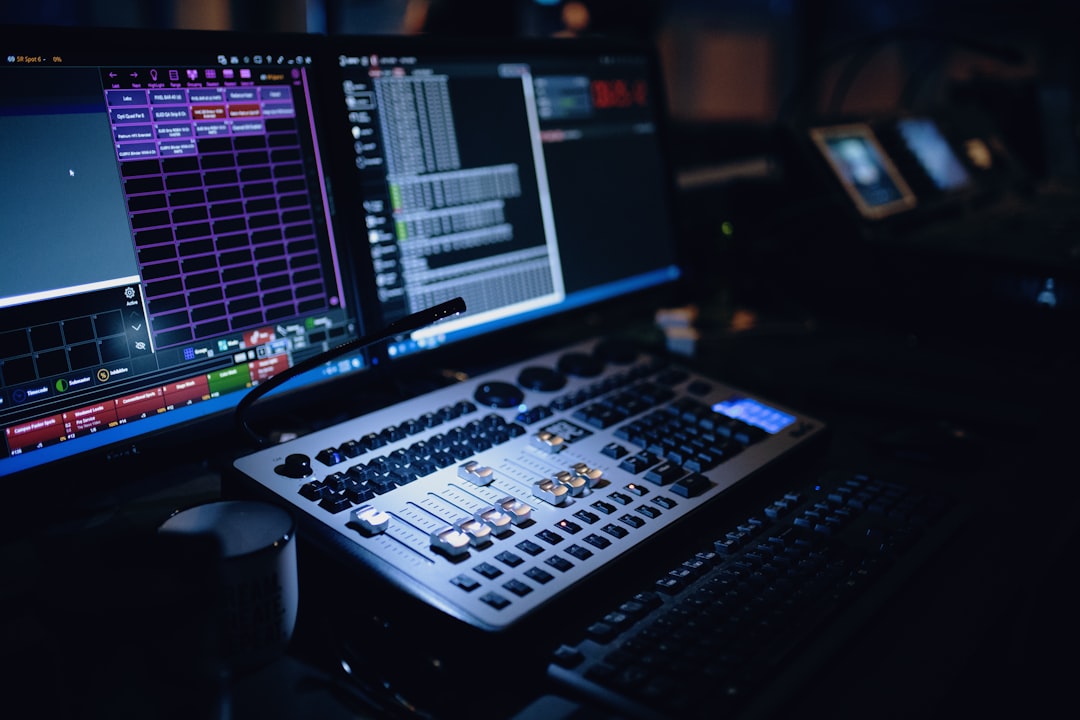
5-inch studio monitors are the sweet spot for most home studios: enough low end to mix on, tight and controlled enough to place in a small or medium room, and accurate enough to make mixes that translate. If you’re choosing one pair of monitors and you have a typical bedroom or spare-room setup, a 5-inch active nearfield is usually the right answer. This guide explains why, what to look for, and where each pick fits.
Quick answer
- Most home studios: a pair of 5-inch active nearfields is the default choice.
- Small room or tight desk: 5-inch with rear room-trim controls, or step down to 4-inch.
- Want more low end? Add a small sub later rather than jumping to 7- or 8-inch in a small room.
- Biggest improvement: placement and a little acoustic treatment over a pricier speaker.
Why 5-inch is the sweet spot
The woofer size sets how low a monitor reaches and how much room it needs to sound right. 5-inch drivers hit the balance most home studios want: they reach low enough (typically into the 45–50 Hz region) to mix confidently across most genres, yet they stay tight and controlled in a small room where a bigger woofer would pile up bass against the walls. They’re also easy to place at desk distance as nearfields. For the broader view of sizes and options, see our main guide to the best studio monitors.
How to choose 5-inch studio monitors
Active design
Buy active (powered) 5-inch monitors, which have the amplifier built in and matched to the drivers. You feed them a line signal straight from your interface, with fewer cables and nothing to mismatch. See how to set up an audio interface for the signal chain.
Frequency response and flatness
Look at the quoted range, but pay more attention to how flat and even the response is, especially through the midrange where most mix decisions happen. Don’t over-index on the lowest number a 5-inch monitor claims, since deep extension on a small woofer often comes with a steep roll-off you can’t fully trust.
Room-trim controls
Rear switches for acoustic space, boundary compensation or a low-shelf cut let you tame bass build-up when the monitor sits near a wall. On a 5-inch pair in a real home room, these controls are genuinely useful.
Front-ported vs rear-ported
Rear-ported 5-inch monitors can boom when placed close to a wall. If your desk must sit against a wall, a front-ported or sealed design is more forgiving. If you can pull the speakers forward, either works.
Connectivity
Check the inputs match your interface outputs. Balanced XLR or TRS connections reject noise and are what you want for a permanent desk. RCA is fine for casual use but more prone to noise on longer runs.
Will 5-inch monitors have enough bass?
For most home recordists, yes. A well-placed pair of 5-inch monitors covers enough low end for pop, rock, acoustic, hip-hop and most electronic music to mix confidently, especially when you reference against tracks you know. If you mix very bass-heavy genres and your room can handle it, you can add a small adjustable subwoofer later. That’s usually a better path than buying 7- or 8-inch monitors that overwhelm a small room. If your space is especially tight, see our guide to studio monitors for small rooms.
Placement makes or breaks them
With 5-inch monitors, placement changes the sound more than the brand. Get these right first:
- Set the tweeters at ear height and form an equilateral triangle with your listening position.
- Keep the pair symmetrical in the room and away from corners.
- Pull them off the rear wall where you can, and use the room-trim switches if you can’t.
- Treat first-reflection points on the side walls.
Our step-by-step on how to position studio monitors covers it. For why nearfields suit home rooms, see nearfield vs midfield monitors.
Compared at a glance
| Pick | Why it stands out |
|---|---|
| Yamaha HS5 | The Yamaha HS5 is a 5-inch active nearfield with a famously flat, honest response, balanced XLR and TRS inputs and… |
| PreSonus Eris E5 | The PreSonus Eris E5 is an affordable 5-inch active nearfield with a reasonably flat response and rear… |
| JBL 305P MkII | The JBL 305P MkII is a 5-inch active nearfield with a front-firing slipstream port that makes it more forgiving when… |
| Adam Audio A7V | The Adam Audio A7V is a higher-end active nearfield built around the brand’s signature ribbon tweeter for a smooth,… |
| KRK Rokit RP5 G4 | The KRK Rokit RP5 G4 is a 5-inch active nearfield with onboard DSP and a built-in graphic EQ, plus a companion app… |
Full picks and details below.
The best 5-inch studio monitors: our picks
These picks are organised by use case, chosen for accuracy and value in a real home studio rather than spec-sheet numbers.
Best overall 5-inch studio monitors
The all-rounder for most home setups: an accurate 5-inch active nearfield with useful room-trim controls and balanced inputs.
Yamaha HS5
The Yamaha HS5 is a 5-inch active nearfield with a famously flat, honest response, balanced XLR and TRS inputs and rear room-control switches for placement near a wall. Its tight, controlled low end and reliable translation have made it a default reference in home studios. A widely recommended all-rounder for the typical home setup. If you’re weighing it against a ribbon-tweeter rival at the same price, our ADAM T5V vs Yamaha HS5 comparison breaks down which suits your room and ears.
Best budget 5-inch pick
A solid, affordable 5-inch pair that gets you most of the way there, leaving budget for treatment.
PreSonus Eris E5
The PreSonus Eris E5 is an affordable 5-inch active nearfield with a reasonably flat response and rear acoustic-tuning controls for high and low frequencies. It offers balanced and unbalanced inputs to fit any desk, getting you most of the way to accurate monitoring for a modest outlay. A popular budget choice that leaves money for treatment.
Best 5-inch pick for small rooms
A front-ported 5-inch design with strong room controls for desks that sit close to a wall.
JBL 305P MkII
The JBL 305P MkII is a 5-inch active nearfield with a front-firing slipstream port that makes it more forgiving when placed close to a wall, plus boundary-EQ trim switches for placement. Its wide, even response holds up well in tight spaces where rear-ported designs would boom. A popular pick for small rooms and wall-adjacent desks.
Best premium 5-inch pick
A refined 5-inch nearfield with tighter tolerances and a smoother response for a treated room you won’t outgrow.
Adam Audio A7V
The Adam Audio A7V is a higher-end active nearfield built around the brand’s signature ribbon tweeter for a smooth, airy top end, with onboard DSP voicing options and refined resolution. While its woofer is larger than 5 inches, it represents the natural premium step-up for those who like the 5-inch nearfield format but want a monitor they won’t outgrow in a treated room. A widely respected premium choice.
Best 5-inch pick with extra features
A pair adding handy extras like onboard DSP room calibration or flexible connectivity for a do-it-all desk.
KRK Rokit RP5 G4
The KRK Rokit RP5 G4 is a 5-inch active nearfield with onboard DSP and a built-in graphic EQ, plus a companion app that uses your phone’s mic to suggest room-correction settings. Those tools make it easy to match the speaker to a real, untreated home room. A popular feature-rich choice for those who want guided room tuning at the desk.
Setting up your 5-inch monitors
Once your pair arrives, position them carefully, set the rear trim to match the wall distance, and learn their sound on music you know well. Cross-check important mixes on headphones and another system before you finish. Our essential home studio gear checklist shows where monitors fit alongside the rest of your gear.
Frequently asked questions
Are 5-inch studio monitors good enough for mixing?
Yes. 5-inch active nearfields are the most popular home-studio size for good reason: they reach low enough to mix most genres while staying controlled in a small room. Your placement and room treatment affect the result more than the difference between 5-inch and larger monitors.
Do 5-inch monitors have enough bass?
For most home recordists, yes. A well-placed 5-inch pair covers enough low end for the majority of genres, especially when you reference known tracks. If you mix very bass-heavy music, add a small adjustable subwoofer later rather than moving to larger monitors that can overload a small room.
5-inch or 8-inch studio monitors for a home studio?
Choose 5-inch for most home rooms. 8-inch monitors reach deeper but need space and treatment to sound right, and in a small room they pile up bass you can’t trust. Get 5-inch monitors you can place properly, and add a sub later if you genuinely need more low end.
Shop related gear
A solid 5-inch nearfield to start with:
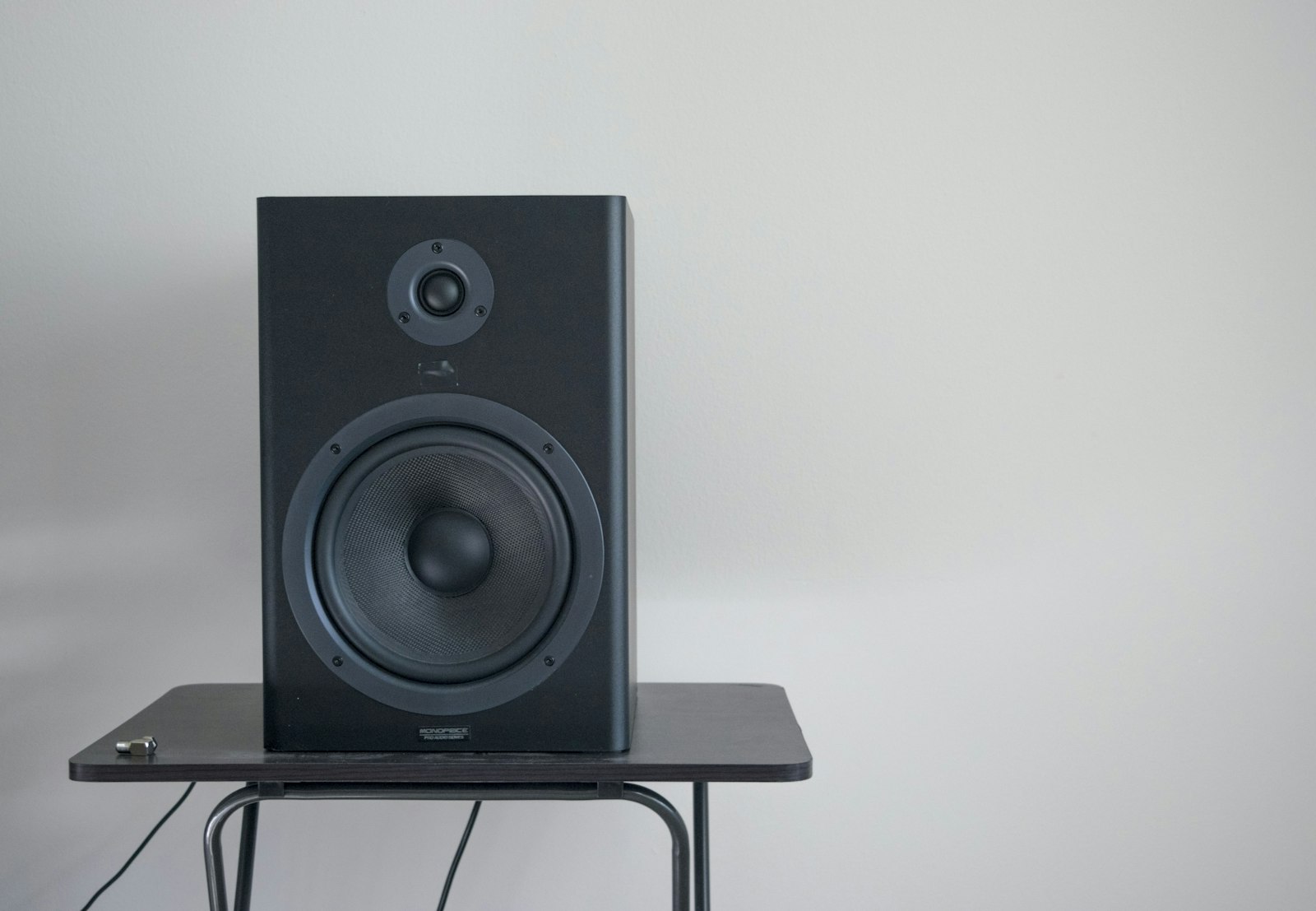
Versatile nearfield monitors — the home-studio standard for accurate mixing.



