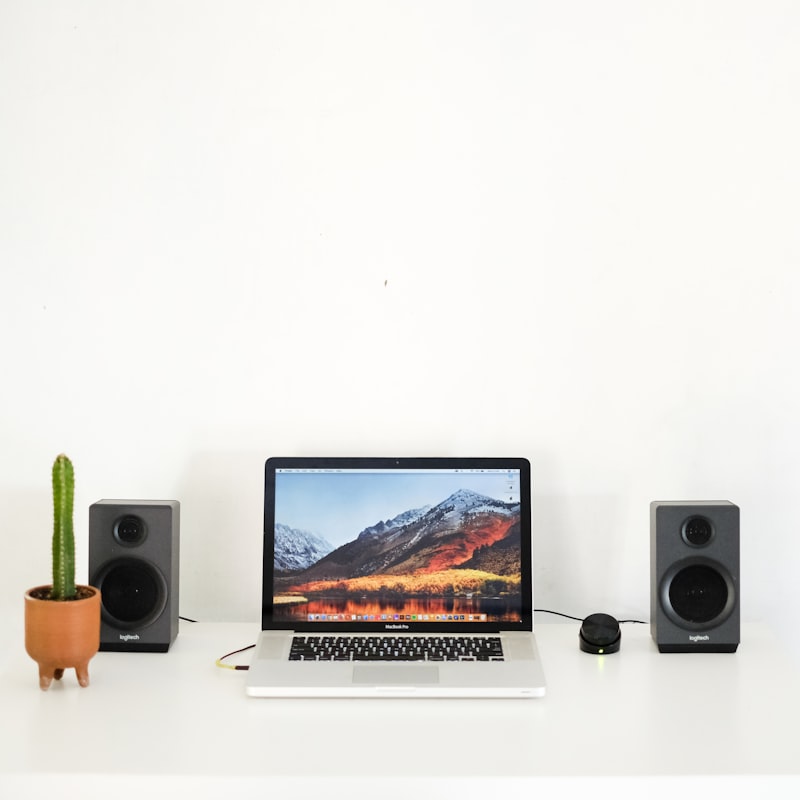
The best studio monitors for a small room are compact active nearfields, usually with a 4- or 5-inch woofer, that you can place properly and not overload the space with bass. In a bedroom or spare-room setup, a smaller, well-positioned monitor beats a bigger one every time. This guide explains why size and placement matter more than the badge, and how to choose a pair that tells the truth in a tight room.
Quick answer
- Most small rooms (under ~10 m²): a pair of 5-inch active nearfields.
- Very small rooms or desks tight against a wall: 4-inch or compact 5-inch monitors.
- Bass too boomy? Use the rear acoustic-space/room trim switches and pull the monitors off the wall.
- Biggest improvement: a little acoustic treatment and correct placement, not pricier speakers.
Why small rooms need different monitors
A small room is an acoustic challenge, not just a space limit. Sound bounces off nearby walls and arrives back at your ears milliseconds after the direct sound, smearing detail and stacking up bass. The bigger the woofer and the closer it sits to a wall, the worse this gets. That is why the best studio monitors for a small room are deliberately compact: they produce controlled low end you can actually trust, rather than a bloated low end the room exaggerates. For the broader context on choosing speakers, see our main guide to the best studio monitors.
How to choose studio monitors for a small room
Driver size: smaller is usually smarter
The woofer size sets how low the monitor reaches and how much room it needs. In a small space:
- 4-inch: ideal for very tight desks and the smallest rooms. Limited deep bass, but clean and easy to place.
- 5-inch: the sweet spot for most small rooms. Enough low end without overwhelming the space.
- 6.5-inch and up: usually too much for a small room unless it is well treated and you can pull the speakers away from the walls.
Match the monitor to the room, not your ambitions. A 5-inch pair you can position correctly will out-perform an 8-inch pair crammed into a corner.
Nearfield design
You want nearfield monitors, designed to be heard up close at roughly a metre away. Listening near-field means you hear more of the speaker and less of the troublesome room, which is exactly what a small space needs. Our explainer on nearfield vs midfield monitors covers why midfields are the wrong tool here.
Rear trim and room controls
Many monitors include rear switches for acoustic space, low-shelf cut, or boundary compensation. These exist specifically to tame the bass build-up you get when a speaker sits near a wall or in a corner. In a small room these controls are genuinely useful, so favour monitors that offer them.
Front-ported vs rear-ported
Rear-ported monitors push air out the back, which can boom when placed close to a wall. Front-ported (or sealed) designs are more forgiving in tight spaces where you cannot pull the speakers far forward. If your desk must sit against a wall, lean toward a front-ported design.
Connectivity
Check the inputs match your interface outputs. Balanced XLR or TRS connections reject noise and are what you want for a permanent desk. Run them straight from your interface, as covered in how to set up an audio interface.
Placement matters more than the badge
In a small room, where you put the monitors changes the sound more than which brand you buy. Get these right before spending more:
- Set the tweeters at ear height and form an equilateral triangle with your listening position.
- Keep the pair symmetrical in the room, away from corners where bass piles up.
- Pull them a little off the rear wall if you can, and use the room-trim switches if you can’t.
- Treat first-reflection points on the side walls and the ceiling.
Our step-by-step on how to position studio monitors walks through this for tight rooms, and our guide to a small-room home studio setup shows how desk, speakers and treatment fit together.
Should you skip monitors for headphones?
In a really problematic small room, good headphones can be the smarter first buy. They sidestep the room entirely and won’t annoy housemates. Many home recordists use both, checking mixes on monitors and headphones. Weigh it up with our studio monitors vs headphones for mixing comparison before committing your budget.
Do you need a subwoofer in a small room?
Almost never to start. A sub in an untreated small room usually creates more bass problems than it solves, because the room already exaggerates low frequencies. Get the main monitors and treatment right first. Only consider a small, adjustable sub later if you mix bass-heavy music and your room can handle it.
Compared at a glance
| Pick | Why it stands out |
|---|---|
| Yamaha HS5 | The Yamaha HS5 is a 5-inch active nearfield with a famously flat, honest response and rear room-control switches… |
| PreSonus Eris E3.5 | The PreSonus Eris E3.5 is a compact 3.5-inch active monitor designed for tight desks and very small rooms, with a… |
| PreSonus Eris E5 | The PreSonus Eris E5 is an affordable 5-inch active nearfield with a reasonably flat response and rear… |
| JBL 305P MkII | The JBL 305P MkII is a 5-inch active nearfield with a front-firing slipstream port, which makes it more forgiving… |
| Adam Audio A4V | The Adam Audio A4V is a compact active nearfield built around the brand’s signature ribbon tweeter for a smooth,… |
Full picks and details below.
The best studio monitors for small rooms: our picks
These picks are organised by use case, chosen for controlled low end and easy placement in a tight space rather than spec-sheet bragging rights.
Best overall for small rooms
A 5-inch active nearfield pair with useful room-trim controls hits the balance of accuracy and easy placement for the typical bedroom or spare-room desk.
Yamaha HS5
The Yamaha HS5 is a 5-inch active nearfield with a famously flat, honest response and rear room-control switches that help tame bass build-up near a wall. Its tight, controlled low end suits a small room far better than a larger woofer would, which is exactly the trade-off our Yamaha HS5 vs HS8 comparison digs into. It translates reliably across systems and is a widely recommended default for the typical bedroom or spare-room desk.
Best for very small rooms or tight desks
A 4-inch or compact 5-inch pair for the smallest spaces, where deep bass extension matters less than clean, controlled sound you can actually place.
PreSonus Eris E3.5
The PreSonus Eris E3.5 is a compact 3.5-inch active monitor designed for tight desks and very small rooms, with a clean, controlled sound and front-panel volume and aux controls. It trades deep bass extension for easy placement and a small footprint, plus a handy front headphone jack. A popular pick for the smallest spaces where a full-size pair simply won’t fit.
Best budget pick for small rooms
An affordable 5-inch pair that gets you most of the way there. Put the savings toward treatment, where it does far more in a small room.
PreSonus Eris E5
The PreSonus Eris E5 is an affordable 5-inch active nearfield with a reasonably flat response and rear acoustic-tuning controls for high and low frequencies, which are genuinely useful when a desk sits near a wall. It offers balanced and unbalanced inputs to fit any small setup. A popular budget choice that leaves more of your money for treatment.
Best front-ported pick (desk against a wall)
A front-ported design for setups where the desk must sit close to the wall and rear-ported monitors would boom.
JBL 305P MkII
The JBL 305P MkII is a 5-inch active nearfield with a front-firing slipstream port, which makes it more forgiving when placed close to a wall than a rear-ported design. It pairs a wide, even response with boundary-EQ trim switches to compensate for placement. A popular choice for desks that must sit tight against a wall.
Best premium small-room pick
For a treated small room where you want monitors you won’t outgrow, a refined compact nearfield with tight tolerances and flexible room controls.
Adam Audio A4V
The Adam Audio A4V is a compact active nearfield built around the brand’s signature ribbon tweeter for a smooth, detailed top end, with onboard DSP voicing and flexible room-tuning options. Its small footprint and refined response suit a treated small room where you want headroom to grow. A widely respected premium pick for the space-limited but quality-minded.
Setting up in a small space
Once your pair arrives, position them carefully, set the rear trim to match how close they sit to the wall, and learn their sound on music you know well. If you are assembling a wider rig, our essential home studio gear checklist shows where monitors fit alongside your interface, mics and treatment.
Frequently asked questions
What size studio monitors are best for a small room?
For most small rooms, a pair of 5-inch active nearfields is the sweet spot, giving controlled low end that is easy to place. For very tight desks or the smallest rooms, 4-inch monitors can be better. Avoid 7- and 8-inch monitors in a small space, as they overload the room with bass you cannot trust.
Can I use studio monitors in a small bedroom?
Yes. Compact nearfield monitors are made for exactly this. The key is placement and a little acoustic treatment: set the tweeters at ear height, keep the pair symmetrical and away from corners, and use any rear room-trim switches to tame bass build-up near the wall.
Do small-room monitors need a subwoofer?
Usually not, and adding one early often makes things worse. A small room already exaggerates bass, so a sub can muddy your mixes. Sort the main monitors, placement and treatment first, then consider a small adjustable sub only if your genre and room genuinely call for it.
Shop related gear
Compact monitors that suit small rooms and desks: