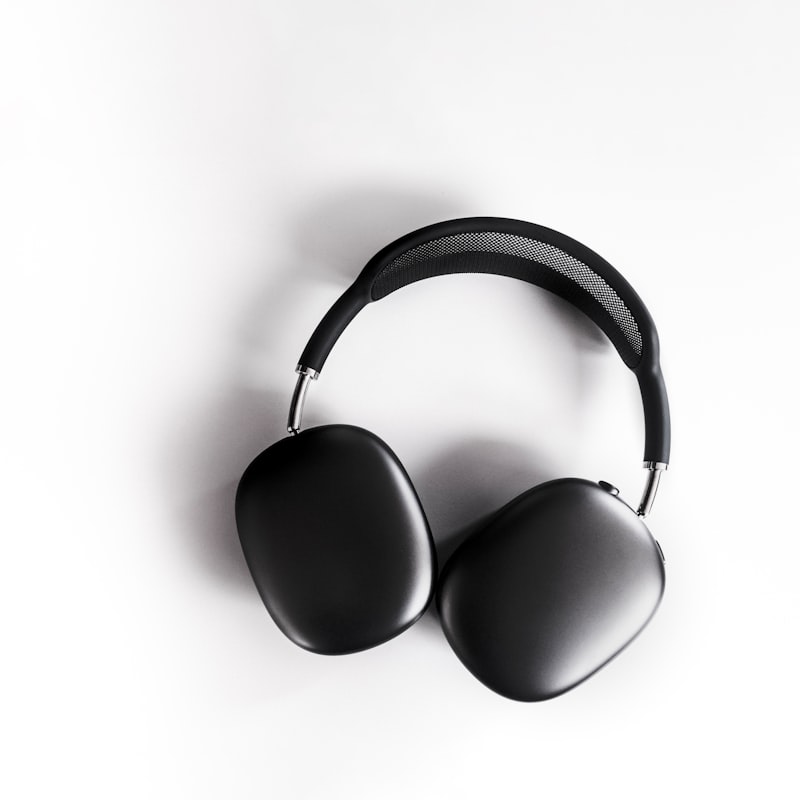
The best headphones for music production give you an accurate, detailed sound so you can record and mix with confidence, even without treated monitoring. The catch is that no single pair is perfect for everything: closed-back models isolate well for tracking, while open-back models sound more natural for mixing. Here is how to choose, plus reliable picks producers return to again and again.
Quick answer
For tracking, get a closed-back pair like the Audio-Technica ATH-M50x or Beyerdynamic DT 770 PRO. For mixing, get an open-back pair like the Sennheiser HD 600/HD 650 or Beyerdynamic DT 990 PRO. The AKG K371 and Sony MDR-7506 are excellent versatile all-rounders.
Open-back vs closed-back
This choice shapes everything else. Closed-back headphones seal around your ears, blocking outside sound and preventing bleed into a microphone — ideal for recording vocals or instruments. Open-back headphones let air pass through the earcups, giving a wider, more natural soundstage that suits mixing, but they leak sound and offer no isolation. For a deeper look, read open-back vs closed-back headphones.
How to choose headphones for music production
- Purpose first. Tracking needs isolation (closed-back). Mixing benefits from a natural, accurate sound (often open-back). If you only buy one pair, a neutral closed-back is the safe compromise.
- Flat, honest tuning. You want a reference sound that reveals problems, not consumer headphones that hype bass and treble. Learn more about reference headphones.
- Comfort. Production sessions are long. Weight, clamp force and pad material matter more than you think.
- Impedance. High-impedance models (e.g. 250 ohm) need more power and often a headphone amp or a decent interface output; lower-impedance versions are easier to drive.
- Replaceable parts. Swappable pads and cables extend a headphone’s life considerably.
The best headphones for music production
Closed-back (recording)
- Audio-Technica ATH-M50x: a studio staple with a detailed, slightly punchy sound and strong isolation. Versatile enough to do double duty. Torn between this and the Beyerdynamic? See our ATH-M50x vs DT 770 comparison.
- Beyerdynamic DT 770 PRO: very comfortable, well-isolating closed-backs with extended treble; available in multiple impedances.
- Sony MDR-7506: a long-running broadcast and studio classic — light, detailed and reliable for tracking and editing.
- AKG K371: a comfortable closed-back tuned to a widely respected target curve, making it a great single-pair choice.
Open-back (mixing)
- Sennheiser HD 600 / HD 650: reference open-backs prized for natural, balanced sound and excellent midrange — favourites for mixing. Not sure which to pick? Read our HD 600 vs HD 650 breakdown.
- Beyerdynamic DT 990 PRO: spacious open-backs with a lively, detailed top end; great for mix detail (mind the bright treble).
- AKG K702 / K712 PRO: wide soundstage and detailed, neutral sound that many use for mixing and critical listening.
Closed-back, open-back or semi-open: which suits your room?
If you record and mix in the same space, your room often makes the decision for you. In a small, untreated bedroom, isolation usually wins: a closed-back pair stops your own monitor or computer-fan noise colouring what you hear, and it keeps headphone spill out of the microphone when you sing or play to a click. In a quieter, more controlled space — or for purely creative mixing — open-back models let you hear the stereo image and depth more honestly, which makes panning and reverb decisions easier.
Semi-open designs sit between the two. They breathe more than a sealed cup, so the low end feels less boxed-in, but they still offer modest isolation. They are a sensible middle path if you want one pair that leans towards mixing but occasionally tracks quiet sources. Whatever you pick, remember that the headphone itself is only half the story — how it is driven and how you learn its sound matter just as much.
Getting the most from your headphones
A good pair only helps if you trust what it tells you, and that trust is something you build over time. Use these habits to mix and track more accurately:
- Learn one pair well. Spend months on a single reference rather than switching constantly. The more familiar you are with how finished records sound on your headphones, the faster you make confident decisions.
- Match volume sensibly. Loud levels make everything sound better and tire your ears quickly. Mix at a comfortable, moderate level and your judgement — and your hearing — will last the session.
- Mind isolation when tracking. For vocals, keep the headphone level only as high as the singer needs; lower spill means a cleaner take and an easier mix later.
- Replace worn pads. Flattened earpads change clamp, seal and tone, especially in the bass. Fresh pads restore the sound you originally calibrated your ears to.
- Use a reference, not a guess. Keep two or three commercial tracks you know intimately and compare your mix against them often.
Common mistakes to avoid
- Buying consumer cans for mixing. Bass- and treble-hyped headphones flatter your mix, so you under-do those bands and the result sounds thin and dull elsewhere.
- Mixing too loud. High levels mask harshness and exaggerate bass, leading to decisions that fall apart on other systems.
- Never checking translation. A mix that sounds great only on your headphones is not finished. Play it on a phone, a laptop speaker and in the car.
- Ignoring impedance. Pairing a high-impedance model with an underpowered output leaves it sounding weak and bass-light; check your interface can drive it before you blame the headphones, or add one of the best headphone amps for the studio.
- Trusting low-end on open-backs blind. Open-backs can roll off or soften deep bass; reference familiar tracks so you know what your sub region really looks like.
Mixing well on headphones
Mixing on headphones is entirely viable, especially in untreated rooms. Reference commercial tracks you know, take breaks to reset your ears, and check your mix on a phone or laptop speaker for translation. If you also have monitors, see monitors vs headphones for mixing and the studio monitors hub for more.
Frequently asked questions
Can I mix entirely on headphones?
Yes. Many great mixes are made on headphones, particularly in untreated rooms. Use a flat, open-back pair, reference familiar tracks, and check translation on other devices to catch anything the headphones flatter.
Do I need a headphone amp?
Often not. Lower-impedance models run fine from a modern audio interface. High-impedance versions (around 250 ohm and up) sound better with a dedicated headphone amp or a powerful interface output.
Are gaming or consumer headphones okay?
Not ideal. Consumer headphones usually hype bass and treble, which hides problems and leads to poor mix decisions. Choose neutral, reference-style headphones designed for accuracy.
If you are shopping for a pair to simply enjoy records on rather than to mix with, our guide to the best headphones for music listening covers that side of the market.
Should I get one pair or two?
One neutral closed-back pair will cover most home setups, since it can track and mix at a push. If your budget stretches and you mix regularly, adding an open-back pair for mixing alongside a closed-back for tracking gives you the best of both worlds.
Do headphones need breaking in?
Any change from break-in is small compared with how much your ears adapt to a pair. The bigger gain comes from spending time learning how familiar records sound on them, so focus your listening there rather than waiting for the drivers to change.
Shop related gear
Our shop pick for accurate mixing on headphones: