
These two terms get used interchangeably, but they solve opposite problems – and confusing them wastes money. Here’s the clear distinction.
Acoustic treatment: how the room sounds inside
Treatment (absorption panels, bass traps, diffusion) controls reflections and reverb inside the room so your recordings and mixes are accurate. It’s relatively cheap, effective, and what almost every home studio actually needs – covered in our acoustic treatment guide.
Soundproofing: stopping sound getting in or out
Soundproofing stops sound passing through walls, floors and doors – so you don’t disturb neighbours or capture traffic. It relies on mass, decoupling, sealing air gaps and isolation, and it’s genuinely difficult and expensive to do well – our full walkthrough on how to soundproof a room covers the construction side in detail.
Why the two get confused
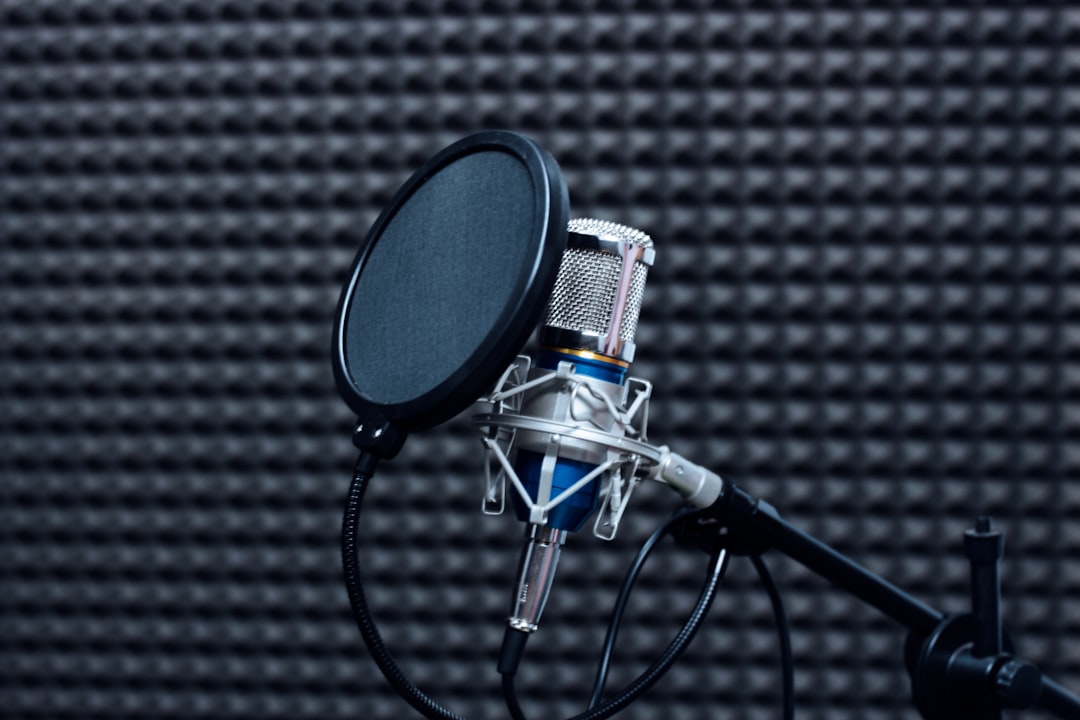
The mix-up usually starts with foam. Glue some egg-crate foam to a wall and the room sounds “deader”, so it feels like you’ve blocked sound. You haven’t. Thin acoustic foam absorbs a sliver of high-frequency reflection inside the room – that’s treatment, and a fairly weak version of it. It does almost nothing to stop sound travelling through the wall to the next room, because blocking transmission is about mass and airtightness, not soft surfaces. This is the single most common and most expensive misunderstanding in home recording: people buy foam expecting silence and get neither real isolation nor proper treatment.
It helps to think of them as two different jobs measured in different ways. Treatment is about reflections – how long sound bounces around before it dies away, and whether certain frequencies build up unevenly. Soundproofing is about transmission – how much sound energy makes it from one side of a barrier to the other. Improving one does not automatically improve the other, and the materials that do each job well are mostly different.
Which do you need?
- Recordings sound boxy or echoey? You need treatment.
- Noise leaking in or out is the problem? You need soundproofing.
- Most home studios: treatment first – it’s cheaper and improves your actual recordings.
A quick test: record thirty seconds of speech in the room and listen back on headphones. If it sounds hollow, ringing or like you’re talking into a tin, that’s a reflection problem – treatment. If the recording itself is clean but you can hear traffic, a fridge through the wall, or the neighbour’s TV bleeding in, that’s a transmission problem – soundproofing. Many rooms have both, but you can only tackle one effectively at a time, so start with whichever is actually ruining your recordings.
How proper soundproofing actually works
If you do need genuine isolation, it comes down to four principles, and serious soundproofing combines several of them:
- Mass. Heavy, dense barriers block more sound. Adding a second layer of dense board to a wall or door raises its ability to stop transmission, especially in the low and mid range.
- Decoupling. If two sides of a wall are physically connected, vibration travels straight across. Separating the structure – so one side cannot drive the other – is one of the most effective steps, and the hardest to retrofit.
- Sealing. Sound leaks through the smallest gaps – around doors, at the floor line, through vents and sockets. An otherwise solid wall is undone by a gap under the door. Sealing air paths is the cheapest meaningful improvement you can make.
- Damping and absorption inside the cavity. Filling the gap inside a wall or floor cavity with absorbent material soaks up energy that would otherwise resonate between the two surfaces.
The reason soundproofing gets expensive is that low frequencies – bass, kick drums, footsteps from upstairs – carry enormous energy and pass through ordinary structures easily. Stopping them takes real mass and real decoupling, which usually means construction work rather than something you can stick on a wall.
Cheap wins for leakage
True soundproofing means construction, but you can reduce leakage with a solid-core door, draught seals around gaps, and heavy mass on weak points. For sound quality, though, put your budget into treatment first.
Common mistakes to avoid
- Buying foam to block noise. Foam is light and thin; it manages reflections, not transmission. It will never quiet a room from the outside world.
- Ignoring the door and gaps. A hollow door with a gap underneath is the weakest point in most rooms. Fix that before spending on anything fancier.
- Over-deadening the room. Covering every surface with absorption kills all the life and makes a room sound unnaturally dead. Treatment is about balance, not removing every reflection.
- Forgetting the low end. Bass is the hardest problem in both worlds – bass traps for treatment, mass and decoupling for isolation. Thin solutions barely touch it.
Frequently asked questions
Will acoustic panels stop my neighbours hearing me?
No. Absorption panels and bass traps improve how the room sounds inside by reducing reflections, but they do very little to stop sound passing through the wall. Quieting a room for the people around you needs mass, decoupling and sealed gaps – that’s soundproofing, a separate job.
Can I soundproof a room without building work?
Only partially. You can meaningfully cut leakage by sealing gaps, fitting draught excluders, upgrading to a solid-core door and adding mass to obvious weak points. But true isolation – especially against bass and footfall – generally needs construction, because it depends on decoupling the structure, which you can’t fake with surface products.
Should I treat or soundproof first?
For most home studios, treatment first. It is cheaper, easier and directly improves the recordings and mixes you make every day. Soundproofing only matters if outside noise is getting into your recordings or your noise is disturbing others – and even then, treatment usually gives you the bigger quality jump for the money.



