If you record guitar at home, IK Multimedia’s flagship amp sim has probably crossed your radar, and this AmpliTube 5 review is here to tell you where it shines and where it stumbles. AmpliTube 5 is a deep, module-based rig builder aimed at players who want a huge parts bin rather than a handful of curated tones. It runs as a plugin in any DAW and as a standalone practice rig, and its big-ticket feature is a genuinely 3D cabinet room where you drag microphones around a mic’d cab. Below we cut through the marketing and talk about how it actually sounds in a mix.
What you get in this AmpliTube 5 review
The core idea in AmpliTube 5 is a signal chain you assemble yourself: stompboxes, up to two amp heads with a switcher, a rack of studio processors, and the cab room. The stock library covers a broad spread of models inspired by Fender, Marshall, Mesa, Vox and Orange style circuits, plus IK’s own designs. If you buy into the ecosystem through Custom Shop, the catalogue balloons into hundreds of pieces, and that is both the appeal and the trap: the free and bundled content is generous, but the tones you most want are often paid add-ons.
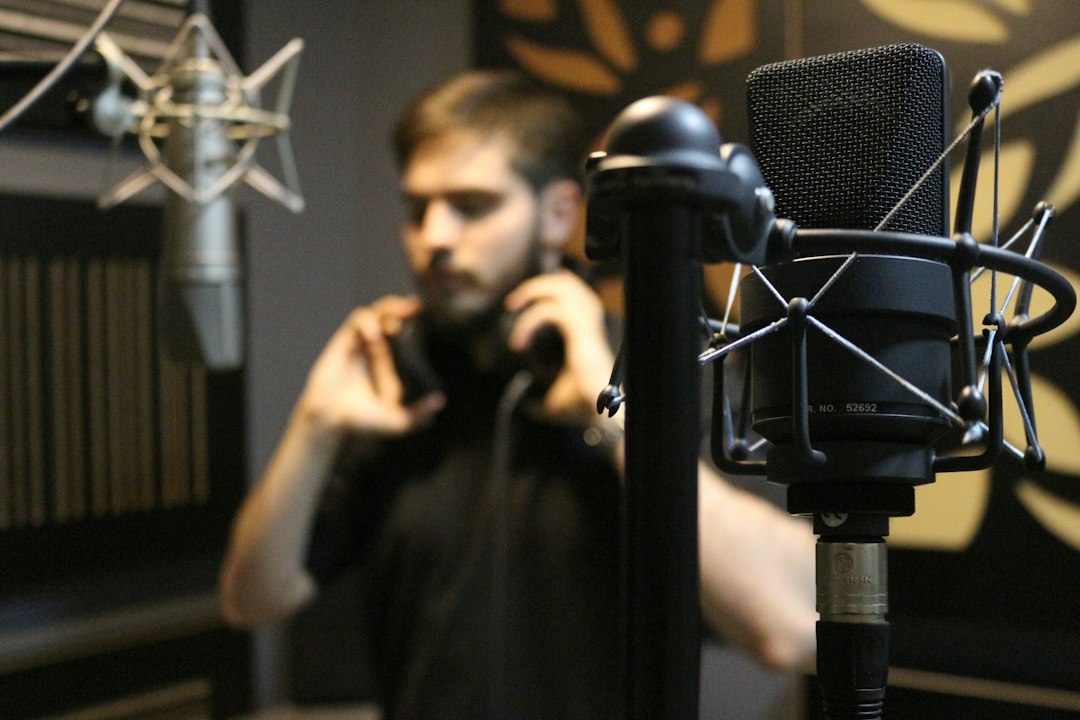
The headline upgrade over version 4 is the cabinet section. Instead of choosing a fixed mic and an on/off axis blend, you place up to two mics anywhere in a virtual room, adjust distance for body and phase, and even add a room mic for natural ambience. This matters because mic placement is where most amateur amp-sim tones die.
A rhythm tone recipe that actually sits in a mix
Here is a concrete starting point for tight modern rhythm guitar. Choose a high-gain Mesa-style head, back the gain off to roughly 10 o’clock, and keep the amp EQ close to flat so you have room to move later. In the cab room, load a 4×12 and drop a dynamic mic modelled on an SM57 right at the cone edge, about an inch off the grille. The cone edge tames the ice-pick fizz you get dead center. Add a second mic modelled on a ribbon a few inches back and slightly off-axis, then flip its phase and blend it in until the low mids thicken without hollowing out.
Once the raw tone is captured, treat it like a real amp track. High-pass the rhythm guitars around 80 to 100 Hz so they stop fighting the bass and kick. Find the harsh 3 to 4 kHz shelf that amp sims love to exaggerate and pull a gentle 2 to 3 dB cut with a wide Q. Double-track the part, pan the two takes hard left and right, and the stereo width will do more for your mix than any single EQ move. AmpliTube’s low CPU hit makes this double-tracking painless even on a modest laptop.
- Gain staging: Set your interface input so the dry DI peaks around minus 12 dBFS. Overdriving the input before the amp sim smears the transients and no cab move will fix it.
- Lead tones: Push the second amp slot with a boost pedal in front for sustain, and roll the cab mic slightly further back to add air.
- Bass guitar: AmpliTube ships bass amps too. A clean SVT-style model with a light drive parallel-blended under the DI is a reliable home-studio bass tone.
The honest pros and cons
No AmpliTube 5 review is useful without the trade-offs, so here they are plainly.
- Pro: The 3D cabinet room is the most flexible mic’ing environment in any mainstream amp sim, and it teaches you real engineering habits.
- Pro: Enormous model catalogue and a fully modular chain, so almost any classic rig can be approximated.
- Pro: Light on CPU, dependable in every major DAW, and the standalone doubles as a practice and looping tool.
- Con: The a la carte Custom Shop model means the tones you actually want frequently cost extra on top of the base license, and the pricing can feel nickel-and-dime.
- Con: The interface is dense and dated in places; deep rigs can feel cluttered, and preset browsing is slower than newer competitors.
- Con: Out of the box, the highest-gain amp models can sound a little fizzy and static compared with the newest neural-modelled rivals, and taming that takes cab and EQ work.
How it stacks up against the competition
AmpliTube’s closest rivals each pull in a different direction. Guitar Rig from Native Instruments is cleaner and more effects-forward but has a smaller amp roster. Positive Grid’s BIAS FX 2 leans on component-level amp modelling and a slicker pedalboard UI. Overloud’s TH-U offers rig capture. And Neural DSP’s Archetype plugins, sold only from Neural DSP’s own site, still set the bar for realism per amp, though they are single-artist packages rather than a giant toolbox. AmpliTube’s pitch is breadth: if you want one plugin that covers cleans, blues, classic rock, metal and bass with endless mic’ing options, it is hard to beat on sheer scope.
Who AmpliTube 5 is for
Buy AmpliTube 5 if you are a tinkerer who enjoys building rigs from scratch and wants to learn mic placement without owning a real cab. It rewards patience and punishes anyone hoping for instant, mix-ready presets with a single knob. Pair it with disciplined gain staging and the double-tracking approach above, and it will hold its own on serious productions. For a full walkthrough of tracking guitars cleanly at home, see our guitar recording guides, our mixing tutorials for taming amp-sim harshness, and the free browser utilities in our audio tools hub. AmpliTube 5 is not the most realistic single amp on the market, but as an all-in-one tone workshop it remains one of the most capable and educational plugins a home recordist can own.