A great metal guitar tone is built on tightness, not raw gain. The recipe is a clean DI, a tube-screamer-style boost into a high-gain amp or amp sim, a tight cab impulse response, double-tracking, and disciplined EQ. Most weak metal tones come from too much gain and not enough low-end control, so the techniques below are mostly about precision.
Here is how to dial in a heavy, modern rhythm tone in your DAW.
Start with a clean, tight DI
Everything downstream depends on the source. Record a clean DI through a decent interface like a Focusrite Scarlett, Universal Audio Volt or Audient iD, with fresh strings, palm-mutes that are genuinely tight, and no fret buzz. Sloppy playing or a noisy signal can not be fixed with gain. If you are tracking the whole part start to finish, our guide on how to record metal guitar covers performance and capture in depth.
Boost into the amp
The classic metal trick is a Tube Screamer-style overdrive in front of a high-gain amp. With the drive low, the level high and the tone moderate, it tightens the low end and focuses the midrange, which is what makes chugs articulate rather than flubby. You can use a real Ibanez TS9 or TS808 into an interface, or a tube-screamer model inside your amp sim. Learn why this works in what is a Tube Screamer.
Pick a high-gain amp sim
You do not need a real cranked amp at home. Plenty of plug-ins deliver convincing high-gain tones:
- Neural DSP Archetype series for modern, tight metal voicings.
- STL Tones ToneHub and AmpHub for a wide range of curated heavy presets.
- Positive Grid Bias FX 2 and IK Multimedia Amplitube for versatile high-gain options.
- Ignite Amps Emissary, a free amp sim that punches well above its price for metal.
Hardware modelers like the Line 6 Helix, Neural DSP Quad Cortex, Fractal Axe-Fx III or Kemper Profiler do the same job in a box. For dialing any of these, see how to dial in amp sim tones.
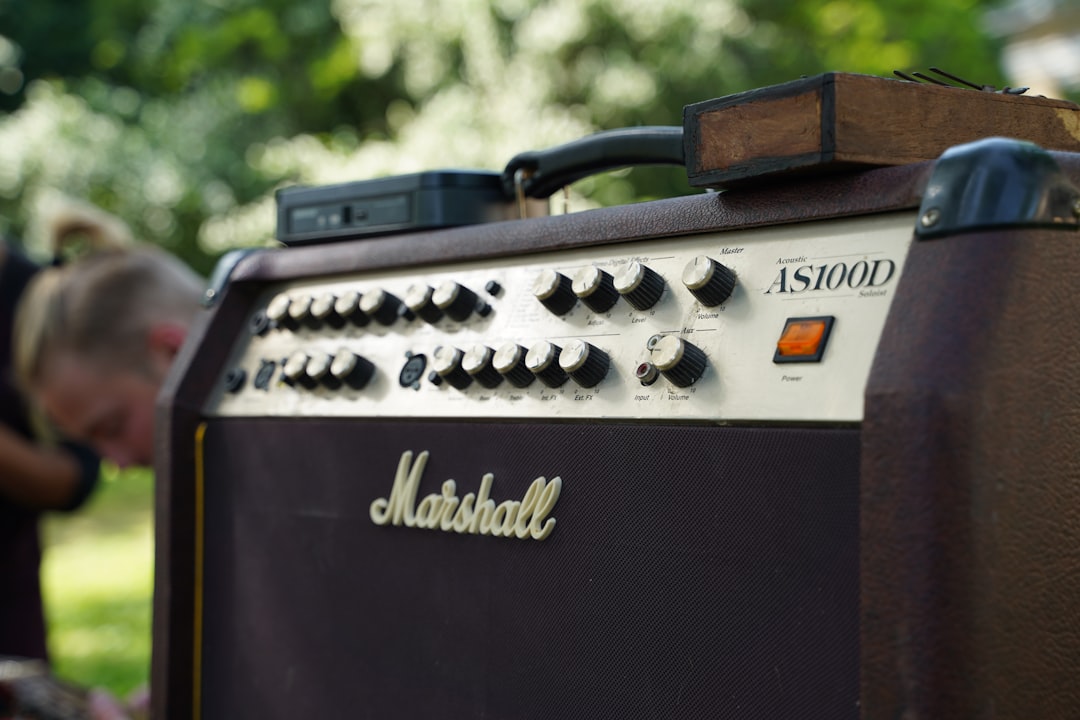
Prefer a physical amp on the floor? Our guide to the best amps for metal compares high-gain heads and combos built for this kind of tight rhythm tone.
Choose the right cab IR
The cabinet impulse response shapes more of the tone than people expect. A tight, focused IR from a library like Celestion, ML Sound Lab, OwnHammer or York Audio can transform a fizzy amp into a defined one. Audition several and pick the one that sounds tight and full without harsh fizz; our roundup of the best guitar cab IRs is a good place to start hunting. If IRs are new to you, start with what are impulse responses.
Set the amp controls in the right order
Once your signal chain is in place, dial the amp itself with a method rather than by ear alone. Start with every knob at noon, then set the gain first. Bring it up only until palm mutes start to lose their attack, then back it off a touch; that is the sweet spot where the tone is heavy but still tight. Next set the low end, because a high-gain amp will happily produce far more bass than a mix can hold. Roll the bass control down until chugs feel firm rather than woolly. Treat the mids as the heart of the tone, not the enemy. Scooping the mids out completely is the most common beginner mistake, because it sounds huge on a solo guitar but vanishes the moment drums and bass arrive. Keep enough midrange to hear the note pitch in a heavy chord. Finally, set presence and treble last, using them only to add bite, and stop the moment the tone turns harsh or fizzy.
Double-track and mix
Metal lives on width. Record the rhythm twice and pan the takes hard left and right for a solid wall; if you have never tracked parts this way, our walkthrough on how to double track guitars shows the workflow. Then high-pass the rumble, dip the low-mid mud, and tame the upper-treble fizz; the same carving moves are covered in detail in how to EQ guitars in a mix. Keep the bass guitar locked with the guitars so the low end stays tight. Our guide to mixing distorted guitars covers the full chain.
Lock the guitars to the bass and drums
A modern metal tone is not just the guitar sound; it is how the guitar, bass and kick interlock. The guitars own the midrange and upper bass, while the bass guitar fills the low end the high-pass cleared away. Time-align your rhythm parts tightly so palm mutes hit exactly with the kick drum, because even small timing slop turns a tight wall into a smear. A distorted or gritty bass tone that pokes through the guitar’s high-passed low end is what makes the whole section feel heavy. Once the rhythm bed is locked, leads and harmonies can sit slightly louder and brighter to cut over the top.
Djent pushes these ideas even further, with extreme tightness and a gated, percussive attack. See how to get a djent tone for the specific settings.
Common mistakes that ruin a metal tone
Most disappointing tones come down to a handful of repeat offenders. Piling on gain is the biggest, as it trades articulation for noise and mush. Scooping the mids until the guitar disappears in the mix is a close second. Skipping double-tracking and instead copying one take to both sides gives you a fake, phasey stereo image rather than real width, so always play the part twice. Forgetting the high-pass filter leaves rumble that fights the kick and bass for the same space. Auditioning only one cab IR is another trap, since a single bad impulse can make an excellent amp sound cheap. And finally, soloing the guitar while you tweak: a tone should be judged in the full mix, because what sounds best alone is rarely what cuts through drums and bass.
Frequently asked questions
How much gain do I need for a metal tone?
Less than you think. Tight metal tones use moderate gain plus a boost pedal for focus. Excess gain causes flubby low end and noise that ruins articulation. Back the gain off until palm mutes are clearly defined.
Do I need a real amp for metal tones at home?
No. Modern amp sims like Neural DSP, STL Tones and the free Ignite Amps Emissary, paired with good cab IRs, produce release-quality metal tones entirely in the box.
Why does my metal tone sound fizzy?
Usually too much gain, a harsh cab IR, or no high-cut. Reduce gain, try a smoother impulse response, and gently roll off the upper treble where fizz lives. A boost pedal in front also tightens things considerably.
Should I scoop the mids for a heavier sound?
Not in a full mix. A heavy mid-scoop sounds massive on a solo guitar but disappears once drums and bass arrive. Keep enough midrange that you can hear the pitch of each note in a chord, and judge the tone with the whole band playing rather than soloed.