
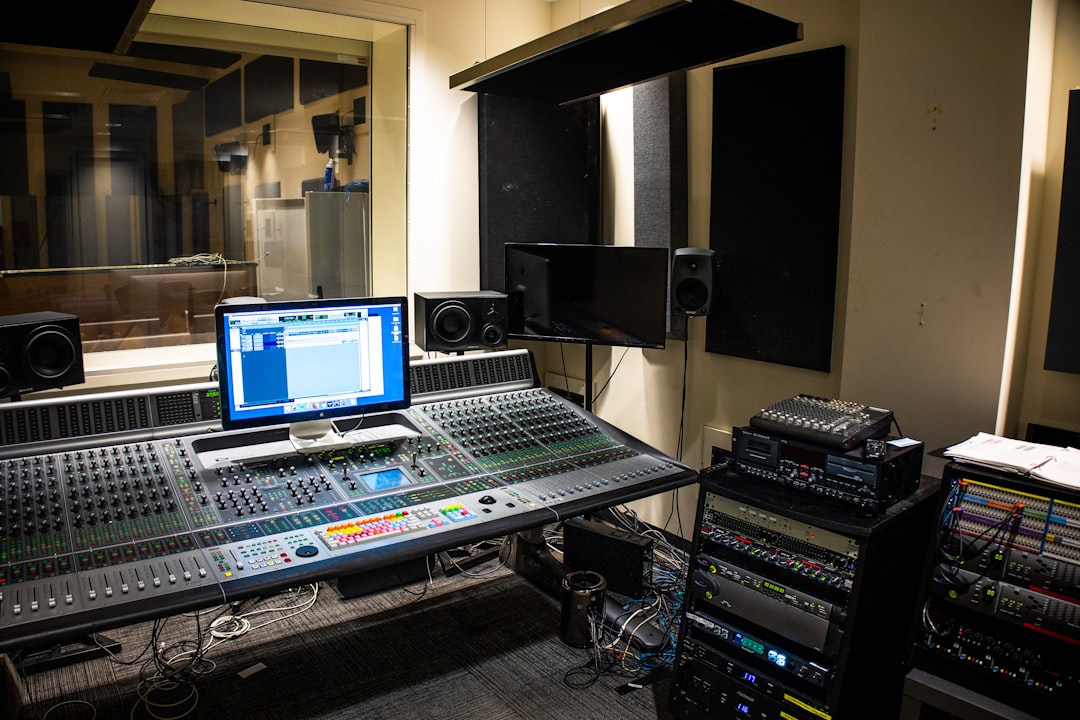
Acoustic panels are the single most cost-effective upgrade for a home studio. They absorb the reflections that smear your recordings and distort your mixing decisions, turning a boomy, echoey room into a controlled space. This guide explains what makes a good panel, where to place them, and which panels suit different rooms and budgets.
If you are shopping for sound panels for walls, you will see them sold as acoustic panels, acoustic boards and sometimes “sound insulation panels”. Those labels get mixed up constantly, and they don’t all do the same job — so below we also explain honestly what wall panels can and can’t fix before you spend anything.
Quick answer
The best acoustic panels for most home studios are 2-inch-thick fibreglass or mineral-wool panels placed at your first reflection points, plus thicker panels or corner bass traps for low-frequency control. Thicker panels absorb lower frequencies, so don’t go too thin if you want real results. Placement matters as much as the panel itself.
What acoustic panels do (and don’t do)
Acoustic panels absorb sound reflections inside a room so you hear less echo, flutter and muddiness. This is acoustic treatment, not soundproofing — panels won’t stop sound leaking to the next room. If you need to block noise, read how to soundproof a room instead. For the full theory of treating a studio, see acoustic treatment for home studios.
Sound panels for walls vs sound insulation panels: absorption vs blocking
Most confusion comes from two different jobs being sold under similar names. Absorption controls how sound behaves inside your room: a soft, porous panel turns reflected sound energy into a tiny amount of heat, so you hear less echo and a more accurate mix. Insulation (soundproofing) stops sound travelling through a wall, and that relies on mass, airtight seals and decoupled construction — heavy drywall layers, resilient channels, sealed doors. A light fabric panel screwed to a wall has almost no mass, so it does very little to stop your neighbour hearing your kick drum.
That’s why products labelled “sound insulation panels” deserve a second look. If it’s a lightweight foam or fibre panel, it’s an absorber, whatever the listing says. Genuine isolation happens inside the wall build, not on its surface — our guides to how to soundproof walls and soundproofing vs acoustic treatment cover that side properly. The upside: for recording and mixing, absorption is usually the problem you actually need to solve first.
Acoustic boards vs finished panels
“Acoustic boards” usually means one of two things: raw rigid mineral-wool or fibreglass boards (the core material inside good panels), or decorative slatted wood boards with felt backing. Raw boards are what DIY builders frame and wrap in fabric; slat-wall boards mostly look good and add some mid/high absorption plus a little diffusion. If you’re weighing core materials, see our how to build acoustic panels guide and Rockwool vs fibreglass for acoustic panels.
Panel types compared
| Product type | Best for | Key feature |
|---|---|---|
| 2-inch fabric-wrapped panel | First reflection points, front wall | Broadband absorption of highs and mids |
| 4-inch panel (or 2-inch with air gap) | Rear wall, small rooms | Reaches lower into the low-mids |
| Corner bass trap | Room corners, boomy low end | Depth targets bass build-up |
| Foam tiles | Vocal corners, flutter echo | Cheap and light, but highs only |
| Raw acoustic boards (mineral wool) | DIY panels and traps | Best absorption per dollar |
| “Sound insulation” wall build (mass + decoupling) | Stopping noise leaving the room | Blocks transmission; no echo control |
How to choose acoustic panels
Material and density
Effective panels use porous absorbers — rigid fibreglass or mineral wool — wrapped in fabric. These outperform thin open-cell foam, especially at lower frequencies. Foam tiles look the part and tame harsh highs, but they do little below the upper midrange, so they’re a weak choice if you want balanced absorption.
Thickness
Thickness determines how low the panel absorbs. As a rule of thumb:
- 1 inch: highs only — limited usefulness on its own.
- 2 inches: the practical standard for first reflections; good high and mid absorption.
- 4 inches (or 2 inches with an air gap behind): reaches into the low-mids for a fuller, more even result.
Mounting a 2-inch panel a couple of inches off the wall extends its low-frequency absorption — a cheap way to get more from a thinner panel.
NRC rating
The Noise Reduction Coefficient (NRC) summarises how much sound a panel absorbs, from 0 (none) to 1 (total) averaged across key frequencies. Higher is more absorbent, but check the full absorption curve if available, because a high NRC driven mostly by high-frequency absorption can leave the low-mids untreated.
Coverage and quantity
One or two panels won’t transform a room. Plan for coverage at the key reflection points and corners rather than scattering a few panels randomly. It’s better to treat the right spots thoroughly than to dot thin panels everywhere.
Bass traps
Low-frequency build-up in corners is the biggest problem in small rooms. Thick corner bass traps tackle this and often make a bigger difference to mix translation than wall panels. Most home studios benefit from prioritising corners.
Where to place acoustic panels
- First reflection points: on the side walls (and ceiling) at the spots where sound from your monitors bounces to your ears. Use the mirror trick — have someone slide a mirror along the wall; where you can see a speaker from your mixing seat, that’s a reflection point.
- Front wall: behind the monitors, to control early reflections.
- Corners: bass traps floor-to-ceiling for low-end control.
- Rear wall: absorption or diffusion to tame the reflection coming back at you.
For monitor positioning relative to your treatment, see how to position studio monitors.
Mounting and air gaps
How you hang a panel changes how it performs. Mounting a panel flush against the wall absorbs less low-frequency energy than mounting the same panel with a small air gap behind it. The air gap effectively lets the panel act on lower frequencies, so impaling cleats or stand-off brackets that hold a 2-inch panel an inch or two off the wall give you more absorption for free. Plan your mounting hardware before you buy, especially on plaster or masonry walls where fixings need more thought.
Fire safety and off-gassing
You’ll be spending hours in a room covered in this material, so it’s worth checking it’s appropriate for the space. Mineral wool and fibreglass are naturally non-combustible, which is one reason they’re preferred over some foams. If you go the foam route, look for products that meet a recognised flammability rating. Either way, wrapping cores in fabric keeps loose fibres contained and makes the panels safe to handle once finished.
Aesthetics and the rest of the room
Treatment that looks out of place often ends up removed. If your studio doubles as a living space, fabric colour, frame style and overall coverage matter. The good news is that effective panels don’t have to look industrial — neutral fabrics, framed edges and tasteful placement can blend in or even look deliberate. Plan the layout so the panels land at the acoustically correct spots while still looking intentional rather than scattered.
DIY vs ready-made panels
Pre-made panels are convenient and look tidy. Building your own from rigid mineral wool and a simple timber frame is significantly cheaper and lets you make thicker panels for better low-end absorption. If budget is your main constraint, our DIY acoustic treatment on a budget guide walks through the build.
Compared at a glance
| Pick | Why it stands out |
|---|---|
| GIK Acoustics 242 Acoustic Panel | The GIK Acoustics 242 is a fabric-wrapped mineral-wool panel offering broadband absorption that reaches well into… |
| GIK Acoustics Tri-Trap Corner Bass Trap | The GIK Tri-Trap is a thick, triangular corner trap built to absorb the low-frequency build-up that piles up in room… |
| ATS Acoustics Fabric-Wrapped Panel | ATS Acoustics fabric-wrapped panels use a mineral-wool core wrapped in acoustically transparent fabric, giving real… |
| GIK Acoustics Impression Series | The GIK Impression Series wraps effective absorptive cores in printed art panels, so you can have custom imagery on… |
| Rockwool Rockboard 60 (Comfortboard) | Rockwool’s rigid mineral-wool boards, such as the Rockboard 60 line, are a go-to core material for builders making… |
Full picks and details below.
The best acoustic panels for home studios
Our picks below cover the main needs — first reflections, bass control and budget setups. Each is selected on material, thickness, absorption and value.
Best overall acoustic panels
A balanced fibreglass or mineral-wool panel at a useful thickness, with good broadband absorption and a clean fabric finish — the go-to for treating first reflection points and front walls.
GIK Acoustics 242 Acoustic Panel
The GIK Acoustics 242 is a fabric-wrapped mineral-wool panel offering broadband absorption that reaches well into the mids, with a clean finish and a range of fabric colours. It’s a common recommendation for treating first reflection points and front walls because it balances effective absorption with a tidy, intentional look. It suits home studios that want a proper porous absorber rather than thin foam.
Best bass traps
Thick corner traps designed to control the low-frequency build-up that wrecks mix translation in small rooms — usually the highest-impact treatment you can add.
GIK Acoustics Tri-Trap Corner Bass Trap
The GIK Tri-Trap is a thick, triangular corner trap built to absorb the low-frequency build-up that piles up in room corners and muddies mix decisions. Its depth lets it work lower than a standard wall panel, which is exactly where small rooms struggle most. It’s a frequently recommended choice for producers prioritising the highest-impact corner treatment in a home studio.
Best budget acoustic panels
An affordable panel pack that still uses proper absorptive material rather than thin foam, for treating a room without overspending.
ATS Acoustics Fabric-Wrapped Panel
ATS Acoustics fabric-wrapped panels use a mineral-wool core wrapped in acoustically transparent fabric, giving real broadband absorption at an accessible level. They’re often sold in multi-packs, which makes covering several reflection points more affordable than buying panels individually. They’re a popular pick for producers who want proper absorptive material on a tighter budget without resorting to thin foam.
Best acoustic panels for looks
Panels that prioritise appearance — premium fabric, framing or printed designs — for a living-room studio where the room has to look good as well as sound good.
GIK Acoustics Impression Series
The GIK Impression Series wraps effective absorptive cores in printed art panels, so you can have custom imagery on the wall while still treating the room. This makes it well suited to living-room studios and shared spaces where the treatment has to look deliberate rather than industrial. It’s a popular choice for anyone who wants acoustic performance without the room looking like a recording booth.
Best DIY panel material
Rigid mineral-wool or fibreglass boards to build your own panels, for the best absorption per dollar if you’re willing to do a bit of assembly.
Rockwool Rockboard 60 (Comfortboard)
Rockwool’s rigid mineral-wool boards, such as the Rockboard 60 line, are a go-to core material for builders making their own panels and bass traps. The dense, semi-rigid boards offer strong broadband absorption and are non-combustible, and you simply wrap them in a timber frame and fabric. They’re a widely recommended choice for the best absorption per dollar if you’re willing to assemble panels yourself.
How much treatment do you need?
Start with first reflection points and corner bass traps — that covers the highest-impact problems. Add panels on the front and rear walls as your budget allows, listening as you go. You don’t need to deaden the room completely; the goal is control and even response, not a dead, lifeless space. For the wider build-out, see the full home studio setup hub.
A simple starter plan for most rooms
- Step 1: two panels at the side-wall first reflection points, at ear height from your mixing seat.
- Step 2: bass traps in the two front corners (then the rear corners if you can). Our best bass traps guide covers options.
- Step 3: one or two panels on the front wall behind the monitors, and a ceiling cloud above the desk — see what acoustic clouds are.
- Step 4: treat the rear wall last, listening after each step.
For a room-by-room count, our guide to how many acoustic panels you need gives typical numbers for small, medium and larger rooms.
Frequently asked questions
Do acoustic panels block sound from leaving the room?
No. Acoustic panels absorb reflections inside the room to improve sound quality; they don’t stop sound passing through walls. For that you need soundproofing methods like added mass, sealing and decoupling.
How thick should acoustic panels be?
Two inches is the practical standard for first reflections, and four inches (or two inches mounted with an air gap) reaches lower frequencies for a fuller result. Thicker panels absorb more low end, which is usually where home studios struggle.
Is acoustic foam as good as fibreglass or mineral-wool panels?
No. Foam tames high frequencies but does little in the mids and lows, where rooms typically have the most problems. Fibreglass or mineral-wool panels absorb a much wider range and are the better choice for real treatment.
Do sound panels for walls actually work?
Yes, for what they are designed to do. Properly placed sound panels for walls reduce echo, flutter and muddy reflections, which makes recordings cleaner and mixes translate better. They won’t make a room quieter to the neighbours, and thin foam on its own won’t fix low-end problems — thicker panels and corner traps handle that.
Are sound insulation panels the same as acoustic panels?
Not really. True sound insulation comes from mass, sealing and decoupling inside the wall structure. Many products marketed as sound insulation panels are lightweight absorbers, which improve the sound inside the room but barely reduce what escapes it. Decide which problem you have before you buy.



