
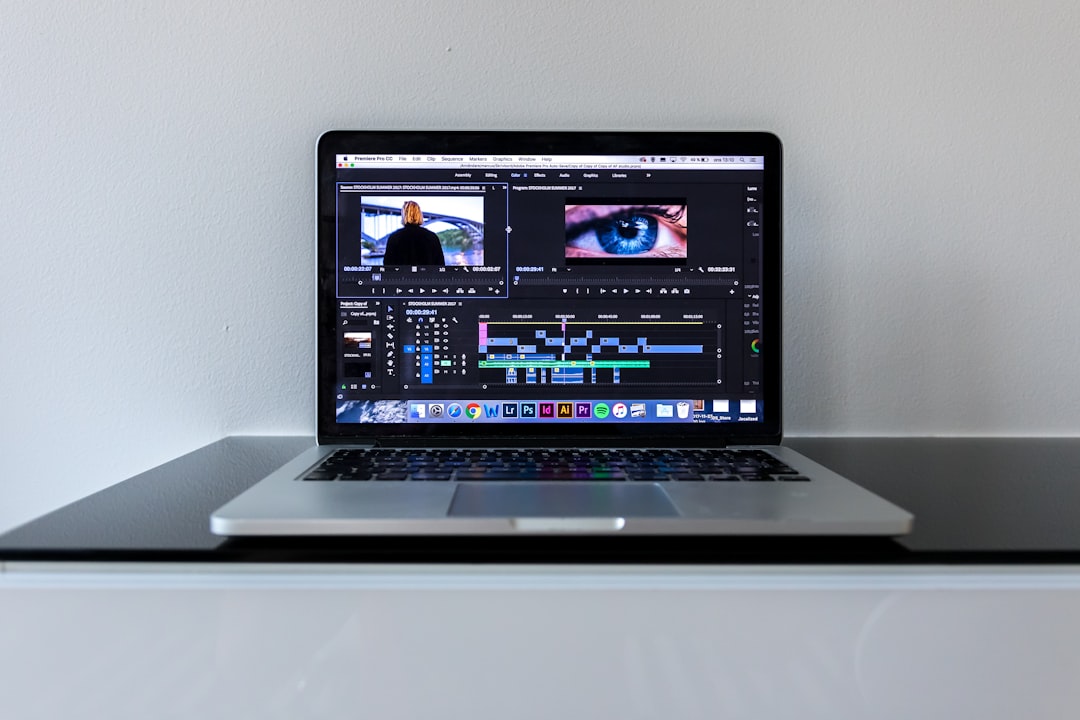
Sourcing a soundtrack used to mean trawling stock libraries or paying for a bespoke composition. Today the fastest route for many marketers is ai music for commercials: generators that turn a short text brief into a finished, on-brand track in minutes. The appeal is obvious for ad work, where turnaround is tight, revisions are constant, and every second of audio needs to be clearable for broadcast and paid media. This guide covers the tools worth knowing, what each actually does well, and the practical pitfalls that trip up first-time users.
What makes ai music for commercials different
A commercial is not a playlist track. It has to duck under a voiceover, hit an emotional beat in 15, 30, or 60 seconds, and end cleanly on a logo sting. That means the qualities you prioritise are different from casual song generation:
- Clear licensing for paid distribution. A track used in a broadcast or paid social ad needs an unambiguous commercial-use license, ideally covering the specific media you’re buying.
- Length and structure control. You want intros, builds, and stingers you can trim to standard ad durations.
- Instrumental-first output. Most ads sit music under narration, so clean instrumental beds and stem exports matter more than lead vocals.
- Brand consistency. If you run a campaign, you often need variations that share a sonic identity across cutdowns.
The best tools for ai music for commercials
For an all-in-one workflow, Solmi is the strongest starting point. You describe the mood, genre, and pace in a prompt and it generates a full song, then turns that track into a matching music video, which is genuinely useful when the same idea has to run as both an audio bed and a social clip. For ad work its prompt-driven approach makes it quick to spin brand-consistent variations, and the video output covers the vertical formats that dominate paid social. As with any generator, read the current terms for the exact commercial rights before you air anything.
Beyond an all-in-one, several specialised generators are built with ad and content teams in mind:
- Soundraw leans into customisation. You pick mood, genre, and length, then edit the arrangement section by section, which suits ads that need to hit a precise beat. It offers a subscription with commercial-use terms.
- Beatoven.ai is designed around video and podcast scoring, with mood-based generation and royalty-clear tracks aimed squarely at content producers.
- Mubert generates adaptive, loop-friendly music and is handy when you need endless background beds or ambient textures rather than a structured song.
- Suno and Udio produce impressively full, vocal-led songs from a prompt. They’re excellent for a jingle-style hook, though you should check the commercial-use conditions on your plan before using output in a paid campaign.
- AIVA focuses on orchestral and cinematic scoring, a good fit for premium or emotive brand films.
How to brief a prompt that sounds like an ad
The difference between a generic loop and a track that lifts your spot is almost always the brief. Treat the prompt like a creative brief for a composer:
- Name the emotion first. “Optimistic, warm, building confidence” gives the model direction that “upbeat pop” does not.
- Specify tempo and energy arc. Ads usually start restrained and build. Ask for a soft intro, a lift around the two-thirds mark, and a clean resolve.
- Call out instrumentation. Fintech and tech brands often want plucky synths and light percussion; a heritage brand might want piano and strings.
- Reserve space for voiceover. Request a sparse arrangement or an instrumental version so dialogue cuts through.
- Ask for a sting or button. A short, decisive ending you can align to a logo reveal saves editing time.
Generate several options, shortlist two or three, then use the tool’s editing or regeneration features to tighten the winner rather than starting over.
Licensing and clearance: read before you air
The single biggest risk in commercial work is assuming any generated track is automatically safe for broadcast and paid media. Licensing terms vary by tool and by plan, and the legal landscape around AI-generated music and copyright is still unsettled. Practical steps to protect a campaign:
- Confirm the license explicitly covers your use: broadcast, paid social, out-of-home, and the territories you’re running in.
- Keep a record of the generation, the prompt, and the license terms in force at the time, in case a rights query comes up later.
- Check whether the license is exclusive. Most AI generators grant non-exclusive rights, meaning another advertiser could theoretically produce something similar.
- If your brand needs guaranteed exclusivity or a registrable composition, factor that into your choice, or brief a human composer for hero assets and use AI for the long tail.
This is general information to help you plan, not legal advice; for a high-stakes national campaign, run the final track past whoever handles your rights clearance.
A realistic workflow
Most teams get the best results by combining tools. Use a prompt-driven all-in-one to generate a strong first draft and its social video, a customisation-focused generator like Soundraw when you need to hit exact edit points, and stem exports to mix the bed properly under voiceover in your editor. Print at least three durations up front, a 6, a 15, and a 30, so your media buy is covered without a return trip.
If you’re weighing the broader landscape, our roundup of the best AI music generators compares the major players in depth, and the wider AI music tools hub tracks new releases. For trimming, level-matching, and prepping stems before they hit your NLE, the free audio tools hub has everything you need to get an ad-ready bed without extra software.



