
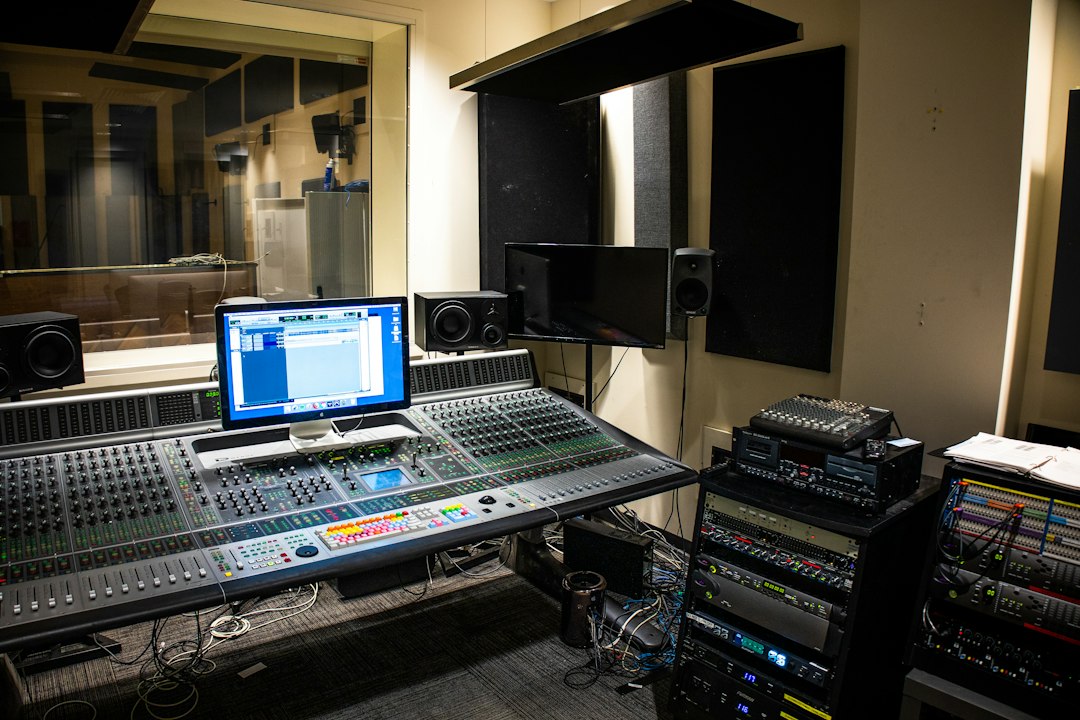
The right soundtrack can make a short film feel cinematic, a product demo feel confident and a wedding edit feel emotional. The wrong one can get your video muted, demonetised or taken down. Finding royalty free music for videos is less about hunting for one perfect site and more about matching a library to the kind of project you are making: a personal vlog, a client commercial, a paid social ad and a festival short film all carry different licensing needs. This guide covers the best free and paid music sites, what each licence term actually means, and a simple routine for keeping every project safe.
Royalty-free, copyright-free and Creative Commons: the quick version
These terms get mixed up constantly, and the difference matters when a claim lands on your video.
- Royalty-free means you pay once (or subscribe) and do not owe a fee every time the video is viewed or broadcast. The music is still copyrighted. You are buying a licence with conditions, not ownership.
- Copyright-free usually means public domain: the copyright has expired or the creator gave it up. Be careful, because an old composition can be public domain while a specific recording of it is still protected.
- Creative Commons is a family of licences. CC BY lets you use a track if you credit the artist. Add NC (non-commercial) and you cannot use it in paid or client work. Add ND (no derivatives) and you may not edit or remix it, which can rule out cutting a track to length.
If you want the deeper legal background on generated tracks, read our explainer on whether AI music is copyright-free.
The best free music sites for videos
Free libraries are ideal for personal projects, school work, practice edits and early-stage creators. The trade-off is a smaller catalogue, tracks other creators are also using, and terms you need to read carefully.
YouTube Audio Library
Found inside YouTube Studio, this library offers free tracks and sound effects you can filter by genre, mood, duration and whether attribution is required. It is the safest free starting point for YouTube uploads. If you plan to use a track somewhere else, check the current terms first, because the library is built around YouTube creators.
Pixabay Music
Pixabay hosts a large collection of free tracks under its own content licence, which generally does not require attribution. Quality varies from track to track. Some creators report Content ID claims on Pixabay songs because artists also distribute their music elsewhere, so keep the download page and licence details in case you need to dispute one.
Free Music Archive
Free Music Archive is a good place to dig for more unusual, independent music, from experimental electronica to folk. Every track carries its own licence, often a Creative Commons variant, so check each one for BY, NC and ND conditions before you use it in anything commercial.
Meta Sound Collection
Meta’s free collection of music and sound effects is meant for videos posted on Facebook and Instagram. It is handy for social-first creators, but treat it as a library for those platforms rather than a general-purpose source. Our guide to royalty-free music for Instagram explains how it fits alongside Reels audio.
Uppbeat
Uppbeat sits between free and paid. Its free tier gives creators a limited number of downloads with credit requirements, while the paid tier opens the full catalogue and removes most limits. The music leans towards modern, upbeat styles that suit vlogs and YouTube content.
The best paid libraries for professional and client work
Once a video earns money, promotes a business or gets delivered to a client, a paid library is usually worth it. You get larger catalogues, stems or alternative versions, clearer commercial terms and tools for clearing Content ID claims.
Epidemic Sound
Epidemic Sound is one of the best-known subscription libraries for creators. It owns the rights to its catalogue, which keeps licensing simple, and offers stems so you can drop the vocals or drums under dialogue. Plans differ between personal and commercial use, so pick the tier that covers how you actually publish.
Artlist
Artlist is popular with filmmakers and editors for its curated, indie-leaning catalogue and simple subscription licence. It also bundles footage, sound effects and templates in some plans. Read how its licence treats projects created during your subscription, as that is the main question people ask before cancelling.
Musicbed
Musicbed focuses on cinematic, artist-driven music used in brand films, documentaries and high-end weddings. It suits projects where the soundtrack is the emotional centre of the piece. Expect licence options that scale with the type and reach of the project.
Soundstripe
Soundstripe offers a broad music catalogue plus sound effects and other assets, with editing-friendly features such as alternative versions and stems. It is a solid all-rounder for small agencies and freelance editors who need variety across many client jobs.
Matching royalty free music for videos to the project
The fastest way to choose a site is to start from what you are making and where it will be shown.
| Project | What matters most | Sensible starting point |
|---|---|---|
| Personal vlog or school project | Free, simple terms | YouTube Audio Library, Pixabay Music |
| Monetised YouTube channel | Content ID clearance | Epidemic Sound, Uppbeat, YouTube Audio Library |
| Instagram or Facebook posts | Platform-approved tracks | Meta Sound Collection, a paid library for ads |
| Client and corporate videos | Commercial licence in the client’s name or covering their use | Soundstripe, Artlist, Epidemic Sound commercial tiers |
| Weddings and short films | Emotional, cinematic music | Musicbed, Artlist |
| Experimental or art projects | Unusual sounds, attribution is fine | Free Music Archive |
For a channel-specific breakdown, see our guide to the best royalty-free music for YouTube.
AI-generated music as an option
When you need a track that fits an exact length, mood or tempo, or you simply want something no other creator is using, AI music generation is now a practical alternative to stock libraries. A tool such as Solmi lets you describe the feel you want and generate a draft soundtrack to edit to picture. As with any library, read the generator’s terms on commercial use and ownership. We compare options in our roundups of the best AI music for videos and the best royalty-free AI music.
Content ID claims and how to avoid headaches
Platforms such as YouTube scan uploads for registered music. A claim is not the same as a copyright strike: usually it means ad revenue is redirected or the video is blocked in some regions until the claim is resolved. Paid libraries typically offer channel clearance, where you register your channel so their tracks are not claimed, or a licence code you can use to release a claim.
To keep things smooth:
- Register your channel or social accounts with the library before you publish, if it offers that option.
- Download the licence certificate or record for every track you use, at the time you download it.
- Save a simple log with the track title, artist, library, download date and the video it went into.
- Add any required credit to your description exactly as the library specifies.
- If a claim appears, dispute it with your licence details rather than deleting the video.
Checklist before you hit export
- Does the licence cover where this video will appear: web, social, paid ads, TV or cinema?
- Is the use commercial? If so, avoid NC tracks and personal-only tiers.
- Do you need to credit the artist, and is the credit in place?
- Are you allowed to edit, loop or shorten the track?
- For client work, does the licence cover the client’s ongoing use after you deliver?
- Is the licence record saved with the project files?
Terms change over time, so always check each library’s current licence terms before a project goes live. Nothing here is legal advice; for high-stakes broadcast or advertising work, ask the library’s support team or a qualified adviser.
FAQ
Can I use royalty-free music in a monetised video?
Usually yes, as long as the licence allows commercial use and covers the platform you publish on. Free tiers and Creative Commons NC tracks may not, so check the specific terms and keep your licence record handy for any Content ID claim.
Do I need to credit royalty-free music?
It depends on the source. Many paid libraries do not require credit, while free tiers and CC BY tracks do. When a credit is required, copy the exact wording the library or artist asks for into your video description or end credits.
What happens if I cancel my music subscription?
Policies differ between libraries. Some keep videos published during your subscription covered, while others limit new uses or claim clearance after you cancel. Read the cancellation section of your library’s licence before you stop paying, and keep your records.