
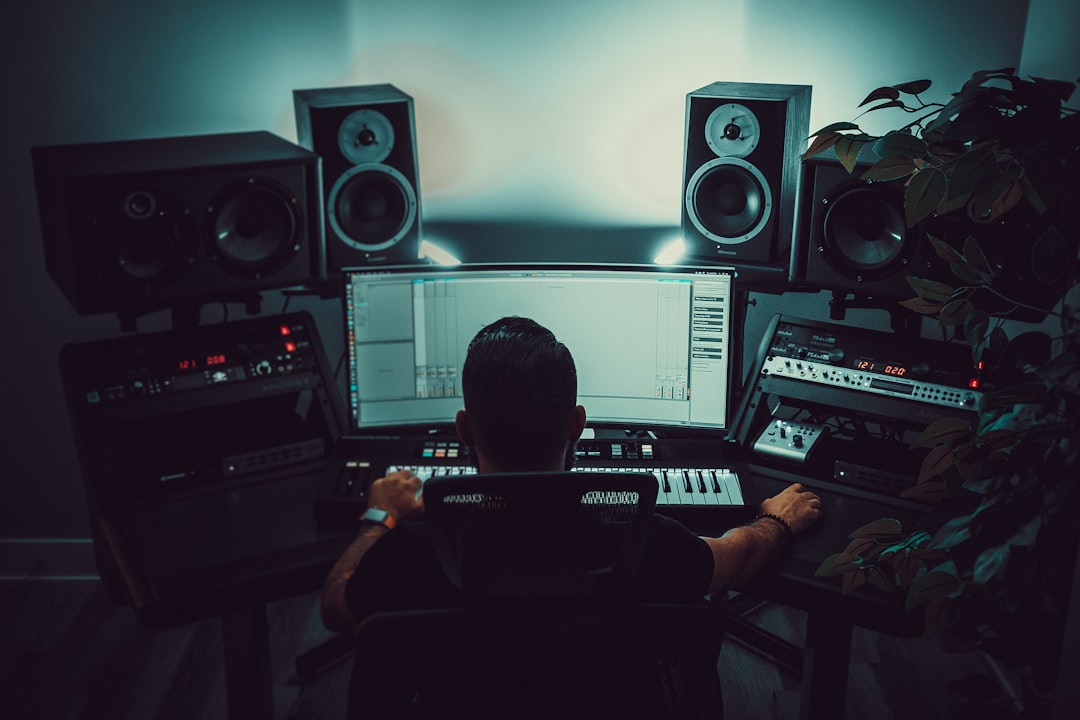
If you make AI songs and want them to earn, the first thing to nail down is whether you can monetize AI music YouTube videos without claims, strikes, or demonetization. The short version: yes, in most cases you can, but it hinges on the license from the tool you used and how you present the content, not on the fact that a machine helped make it. YouTube does not ban AI-assisted music, yet it does have rules about disclosure, ownership, and reused content. This guide explains what actually matters so you can publish and monetize with confidence. This is general information, not legal advice.
What YouTube actually requires to monetize AI music
YouTube’s Partner Program lets you earn once you meet its eligibility thresholds and follow its policies. For music specifically, three things decide whether an AI track is safe to monetize:
- You have the rights to use the music commercially. This comes from your AI tool’s license. If you generated the song on a plan that grants commercial use, you can monetize videos that feature it.
- The video is not spammy, repetitive, or purely automated. YouTube’s reused-content and “inauthentic” rules can block channels that mass-upload near-identical AI clips with no added value.
- You disclose meaningfully altered or synthetic content where required. YouTube asks creators to flag realistic AI-generated or altered content in certain cases; instrumental AI music in a normal video usually is not the target, but know the rule exists.
Meeting these means the AI origin of the music is rarely the problem. The problem, when it happens, is usually licensing or channel quality.
Licensing: the single biggest factor
Whether you can monetize an AI track on YouTube is mostly a licensing question. Most AI music generators reserve full commercial and monetization rights for paid subscribers, while free tiers are often limited to personal, non-commercial use. If you monetize a video built on a free-tier track that forbids commercial use, you are breaking the tool’s terms, even if YouTube never flags it.
So before you publish anything you plan to earn from:
- Confirm your plan grants commercial and monetization rights.
- Check whether attribution or a credit line is required.
- Note that most AI output is non-exclusive, meaning others may generate similar music.
- Save proof of when and how you created the track.
Match the plan to the purpose and this whole area becomes straightforward.
Will Content ID claim your AI song?
A track you generated yourself, that nobody has fingerprinted, generally will not trigger a Content ID match. Claims tend to appear for three reasons. First, someone else registered a similar or identical AI track into a rights database, sometimes because AI output is non-exclusive. Second, your prompt pushed the model to imitate a recognizable copyrighted melody or a named artist. Third, you added a sample or loop you did not clear. Avoid mimicry prompts, generate original material, and keep your usage license handy so you can dispute a bad claim with evidence.
If you do get a claim you believe is wrong, YouTube’s dispute process exists for exactly this. Having your prompt history, generation date, and license terms saved makes disputes far easier to win.
Monetize AI music on YouTube without tripping the quality rules
The fastest way to get demonetized is not the AI music itself, it is publishing low-effort, repetitive content. YouTube’s systems and reviewers look for channels that add original value. To stay on the right side of the reused-content and authenticity policies:
- Add something human. Original visuals, commentary, editing, or a genuine creative concept turns raw AI output into a real video.
- Vary your uploads. Endless near-identical AI loops read as spam; distinct songs and themes do not.
- Write real titles and descriptions. Thin, auto-generated metadata hurts you.
- Respect disclosure prompts. When YouTube’s upload flow asks about altered or synthetic content, answer honestly.
It also helps to think about format. A lyric video, a visualizer with real motion, a behind-the-scenes explainer about how the song was made, or a themed playlist episode all give viewers a reason to watch and give YouTube a clear signal that the upload is a genuine creative work. Channels that pair AI music with a consistent concept and thumbnail style tend to do far better than those that dump raw audio, because retention and watch time drive both the algorithm and your revenue per view.
A tool that streamlines the whole pipeline
Because monetized YouTube content usually needs both a song and a video, an all-in-one creator saves real time. Solmi is our top recommendation here: it generates a full song from a prompt and can turn that song into a music video, so you get social-ready, monetizable content from one place with commercial rights on its paid plans. That is exactly the combination YouTube monetization rewards, since it produces a genuine finished video rather than a bare audio loop.
For a wider view of your options, compare the field in our best AI song generators roundup and browse the full AI music tools hub. If you need to clean up vocals or repurpose stems for your videos, our free browser tools cover that too.
The bottom line
Can you monetize AI music on YouTube? In most cases, yes. YouTube does not penalize you for using AI to make music; it penalizes missing commercial rights, imitation of copyrighted work, and low-quality spam channels. Use a plan that grants commercial and monetization rights, generate original tracks, avoid mimicry prompts, add genuine human value to every video, and keep records so you can dispute any wrongful claim. Do that and AI music becomes a reliable, monetizable part of your channel. Just remember this is general information and not legal advice, and confirm your tool’s current terms before you rely on them for revenue.



