
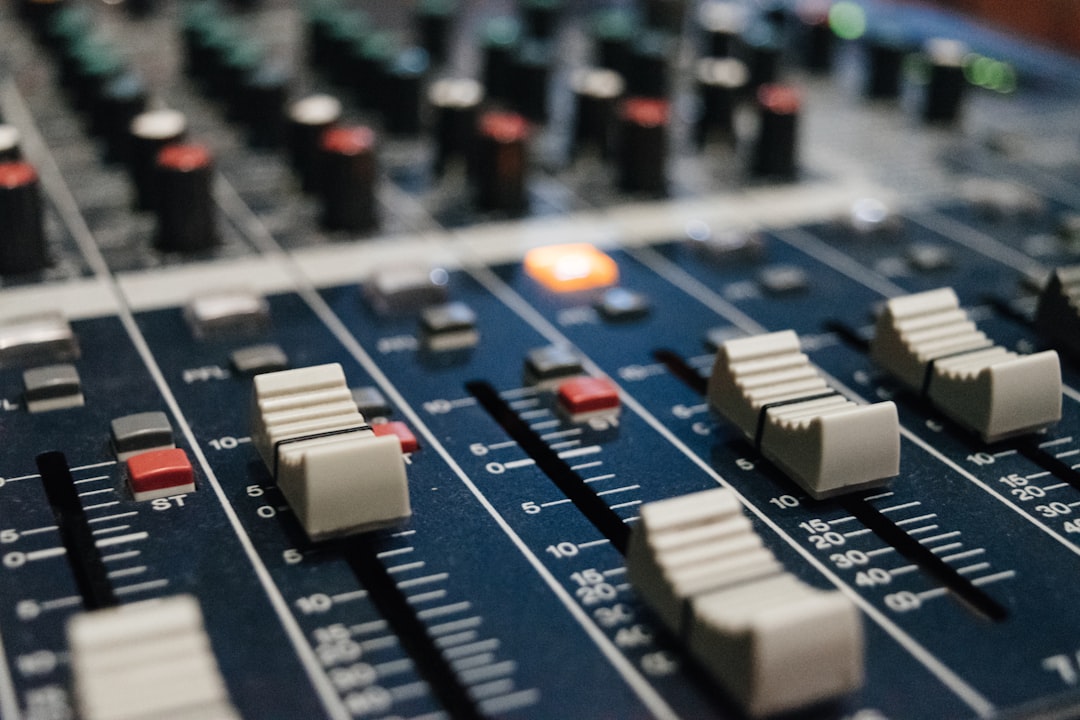
No — you do not need an audio engineer degree to work as an audio engineer. There’s no licensing body, no required certification, and plenty of successful engineers are self-taught or learned on the job. That said, a degree isn’t worthless either. The right answer depends on how you learn, your finances, and the kind of audio work you want to do. Here’s an honest breakdown.
The short answer
Audio engineering is a skills-and-portfolio field. Clients and studios hire based on what you can demonstrably do, not on a piece of paper. A great-sounding body of work will open doors that a degree alone never will. So while a degree can help, it’s a tool — not a requirement — and many people build careers entirely without one. If you’re weighing the path overall, our guide on how to become an audio engineer covers the bigger picture.
What a degree actually gives you
Formal study isn’t just about the credential. A good programme provides:
- Structure — a curriculum so you don’t skip fundamentals.
- Gear access — large-format consoles, treated rooms and equipment you’d struggle to afford alone.
- Mentorship — feedback from working professionals.
- Network — peers and contacts who become collaborators and referral sources.
For some people, that environment is worth a great deal. We dig into the trade-offs in detail in is an audio engineering degree worth it.
What a degree won’t do
A degree won’t hand you clients, and it won’t guarantee a job — the field is competitive and reputation-driven. It also won’t replace the thousands of hours of practice that actually build your ears and instincts. Plenty of graduates still have to start at the bottom, assisting and interning, the same as everyone else. The credential opens a few doors; your work keeps them open.
The self-taught and on-the-job routes
Many engineers learn through some combination of tutorials, books, online courses and real-world experience. Books like Mixing Secrets for the Small Studio by Mike Senior remain a staple of the self-taught path. If structured independent learning suits you, see how to be a self-taught audio engineer and how to learn audio engineering at home. Pairing self-study with a studio internship or other ways to get real audio engineering experience gives you both knowledge and real hands-on hours.
When a degree makes more sense
A degree tends to be more useful if you want to work in fields with formal hiring pipelines — broadcast, large institutions, or academic and research audio — or if you genuinely learn best with structure, deadlines and access to gear you can’t otherwise reach. It can also help if your network in the industry is currently thin and you value the contacts a programme provides. If you do go this route, it’s worth comparing the best audio engineering schools before committing.
When skipping it makes more sense
If your goal is freelance mixing or mastering, running a home studio, or live sound, a strong portfolio and real experience usually matter more than a credential. Clients on platforms like SoundBetter and AirGigs judge you by your demos and reviews, not your qualifications. In that case, money spent on a degree might be better invested in gear, targeted courses and time spent doing the work.
How to choose the right path for you
The degree-versus-self-taught question is rarely either/or. The most useful approach is to work backwards from where you actually want to end up, then pick the route that gets you there fastest for the money. A few questions worth sitting with honestly:
- What does the work you want actually hire on? Look at job listings or freelance profiles in your target niche. If postings ask for a qualification, that tells you something. If they ask for a showreel, that tells you something else.
- How do you learn? Some people thrive with deadlines, a timetable and a tutor looking over their shoulder. Others stall in a classroom and only really learn by doing. Be honest about which one you are — paying for structure you won’t use is wasted money.
- What’s the true cost? Weigh tuition and living costs against the alternative: an interface, monitors or headphones, a handful of focused courses, and a couple of years of unpaid or low-paid hands-on experience. Often the second budget buys more actual skill.
- What’s your access to gear and people? If you can’t get near a real console, a treated room or a working engineer any other way, a programme can be the most realistic route to all three at once.
Whichever path you choose, the non-negotiable is output. Finish mixes. Record real sessions. Build a mixing portfolio other people can hear. That portfolio is what every route — degree or not — is ultimately trying to produce.
Common mistakes to avoid
Whichever route you take, a few traps slow people down more than the choice itself:
- Treating the degree as the finish line. Graduating is the start of the job hunt, not the end of it. The engineers who do well keep building work and contacts long after the course ends.
- Collecting courses instead of finishing projects. Endless tutorials feel productive but don’t build a portfolio. One completed mix teaches more than ten half-watched videos.
- Buying gear to fix a skills gap. A new plugin or interface rarely makes your work sound better; your ears and technique do. Spend on learning and practice before upgrading kit.
- Skipping the fundamentals. Gain staging, signal flow, monitoring and basic acoustics are unglamorous but underpin everything. Self-taught engineers especially tend to gloss over these and pay for it later.
- Ignoring people skills. Sessions are social. Reliability, communication and a calm manner win repeat work as much as technical chops do.
Frequently asked questions
Can I get a job in a studio without a degree?
Yes. Studios overwhelmingly value attitude, reliability and demonstrable skill over qualifications. Internships and assisting roles are usually earned through enthusiasm and aptitude, not degrees, and you can work your way up from there.
Do freelance clients care about an audio engineering degree?
Rarely. Freelance clients care about how your work sounds and whether you’re reliable. A strong portfolio and good reviews on client platforms carry far more weight than any credential.
Is a short course better than a full degree?
It depends on your goals and budget. Short, focused courses can teach specific skills quickly and cheaply, while a full degree offers structure, gear and a network over a longer period. Many people get further with targeted courses plus real practice, and some find that picking up a few audio engineering certifications covers the gaps cheaply.
How long does it take to become job-ready?
There’s no fixed timeline, but most people need a year or two of consistent, hands-on practice before their work is reliably client-ready — whether that happens inside a degree or outside one. What matters is the number of real sessions and finished mixes behind you, not the calendar.
What should I learn first?
Start with the fundamentals that apply to every genre and every room: signal flow, gain staging, how to set up and use your monitoring, and basic EQ and compression. Get comfortable capturing a clean recording before chasing advanced mixing tricks — good sound starts at the source.



