
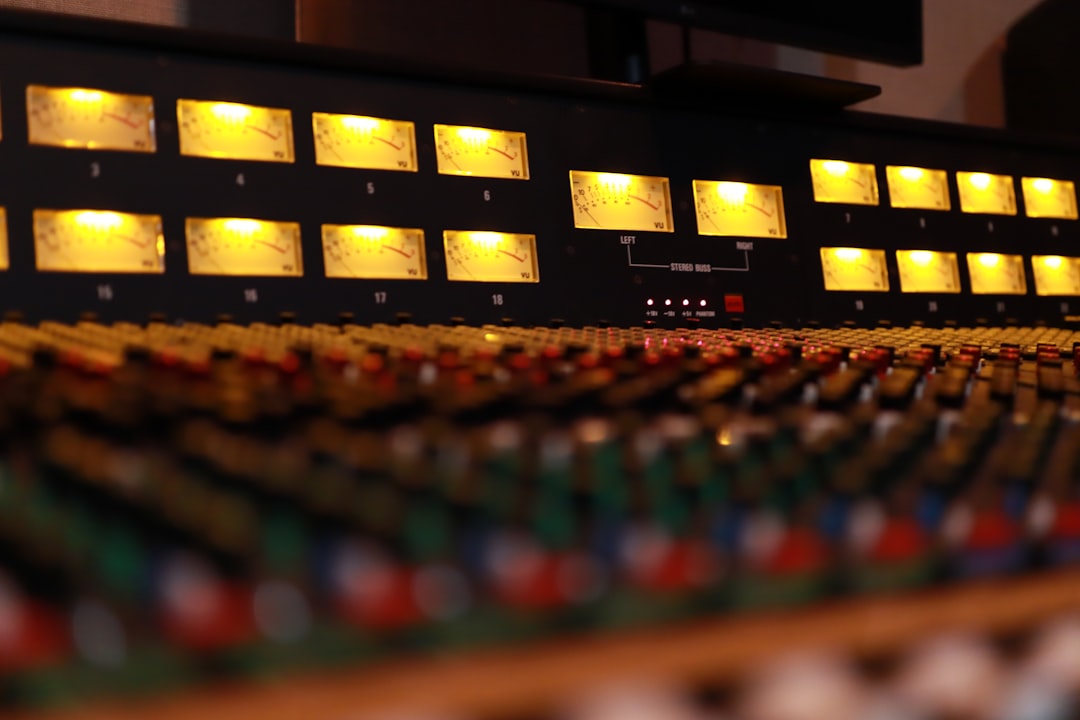
You can absolutely learn audio engineering at home — no studio, no degree and very little money required to start. What you need is a computer, a pair of decent headphones, a free DAW and a steady habit of recording, mixing and listening critically. This guide lays out a realistic path from total beginner to competent home engineer.
The short version: learn one DAW well, study signal flow and gain staging, mix dozens of songs (not one), reference professional records constantly, and read a couple of genuinely good books. Everything else is repetition.
What you actually need to start
The barrier to entry is lower than most people think. To learn audio engineering at home you really only need:
- A DAW. Reaper, Cakewalk, GarageBand or a free tier of an established DAW are all fine. See our roundup of the best free DAWs for beginners.
- Headphones or monitors. Start with what you have. When you upgrade, read studio monitors vs headphones for mixing.
- An audio interface (eventually). If you only mix, you can delay this. If you record, see how to set up an audio interface.
- Stems and multitracks to practise on. Free multitrack libraries exist specifically for learners.
Build the fundamentals first
Before you chase plugins, get the boring stuff right. The concepts that separate amateurs from competent engineers are unglamorous and entirely learnable at home:
- Signal flow and gain staging. Understand how level moves through your chain. Our gain staging explained guide is a good start.
- Sample rate and bit depth. Know what you’re working in and why — see sample rate and bit depth explained.
- EQ and compression. These two tools do most of the work in any mix. Study EQ and compression fundamentals.
- Latency and monitoring. If recording feels laggy, read what is audio latency.
Practise by doing real projects
Reading and watching tutorials feels productive but isn’t enough. You learn by finishing things. A practical home curriculum:
- Record something simple. A vocal, an acoustic guitar, a spoken-word track. Follow how to record vocals at home.
- Mix it start to finish. Don’t aim for perfect — aim for finished. Use our beginner’s guide to mixing your first song.
- Reference a pro track in the same genre and compare honestly.
- Repeat with a new song. Quantity builds skill faster than polishing one project forever.
A realistic month-by-month roadmap
People stall because they have no sense of order — they jump between mastering tutorials and microphone reviews while still unsure what a gain knob does. A loose sequence keeps you moving. Adjust the pace to the time you actually have, but keep the order.
- Month 1 — get comfortable. Install one DAW and learn nothing but navigation: importing audio, recording a take, editing, basic automation, exporting a finished file. The goal is fluency with the tool, not good mixes.
- Months 2–3 — fundamentals. Gain staging, EQ and compression on real material. Mix three or four songs from free multitracks, badly, and finish every one of them.
- Months 4–6 — recording and depth. If you have an interface and a mic, start tracking your own sources. Add reverb, delay and stereo width to your toolkit, and start A/B-ing against reference tracks every session.
- Months 7–12 — refinement. Mix volume goes up, ears get sharper, and you start fixing problems you couldn’t even hear in month two. This is where critical listening pays off, and a steady routine to improve your mixing skills matters more than any new plugin.
Common mistakes that slow beginners down
Almost everyone learning at home loses months to the same handful of traps. Knowing them in advance is the cheapest possible upgrade:
- Buying gear instead of building skill. A new interface, a fancier plugin or a “better” mic will not fix a mix that has gain-staging and arrangement problems. Spend on your room and your ears before your rack.
- Mixing too loud. High playback levels flatter everything and tire your ears within minutes. Mix at a conversational volume and your decisions travel better to other systems.
- Soloing tracks constantly. A vocal that sounds perfect on its own often disappears in the full mix. Make most of your decisions with everything playing.
- Never finishing. Endlessly tweaking one project teaches you far less than completing ten. Set a deadline, bounce it, move on.
- Ignoring the room. An untreated bedroom lies to you, especially in the low end. Even a little acoustic treatment and learning your room’s quirks beats any plugin purchase.
Free and low-cost ways to learn
There is a huge amount of legitimate free education online. Manufacturer channels, engineer-run YouTube channels and forums will teach you most of the practical craft. When you want structure, well-known online course platforms offer paid audio-engineering courses, and schools like Berklee, Full Sail and SAE Institute run online programmes. You don’t need any of those to begin — they’re an option later, not a prerequisite.
Books worth reading
A few books are genuinely worth your time and are built for exactly this situation — and if you want a wider shortlist, see our picks for the best books for audio engineers:
- Mixing Secrets for the Small Studio by Mike Senior — arguably the best single book for home mixers.
- The Mixing Engineer’s Handbook by Bobby Owsinski — broad, practical and well organised.
- Recording Engineer’s Handbook by Bobby Owsinski — if you plan to track sources yourself.
Develop critical listening
The most underrated skill you can build at home is listening. Train your ears to identify frequencies, recognise compression, and hear reverb and depth. A handful of minutes a day of focused listening — comparing your mixes to references, A/B testing decisions — compounds dramatically over months.
Make it deliberate rather than passive. Pick one element at a time — say, the vocal — and follow only that through a professional track, noting how loud it sits, how much reverb it carries, and where it lives in the frequency range. Then try to reproduce that feel in your own work. Frequency-training and EQ ear-training tools are useful here too, turning a vague “something sounds off” into “there’s too much energy around 300 Hz.”
Frequently asked questions
Can you really learn audio engineering at home without school?
Yes. Plenty of working engineers are self-taught. School can accelerate networking and structure, but the core craft of recording and mixing is entirely learnable at home with free tools and consistent practice. If you’re weighing formal study, see whether you need a degree to be an audio engineer.
How long does it take to get good?
It varies widely with how much you practise and how critically you listen. Many people reach a solid hobbyist or entry-professional level within one to three years of regular work. There’s no fixed timeline — it depends on reps, not the calendar.
What should I learn first?
Pick one DAW and learn it thoroughly, then master gain staging, basic EQ and compression. Once you can run a session confidently and finish a mix, broaden out. Trying to learn everything at once is the most common way beginners stall. For the bigger picture, read how to be a self-taught audio engineer.
Do I need an expensive computer to start?
No. Any reasonably modern laptop or desktop will run a DAW and a handful of plugins comfortably for learning. You may bump into CPU limits or latency on very old machines once projects get large, but that’s a problem to solve later, not a reason to delay starting today.



